


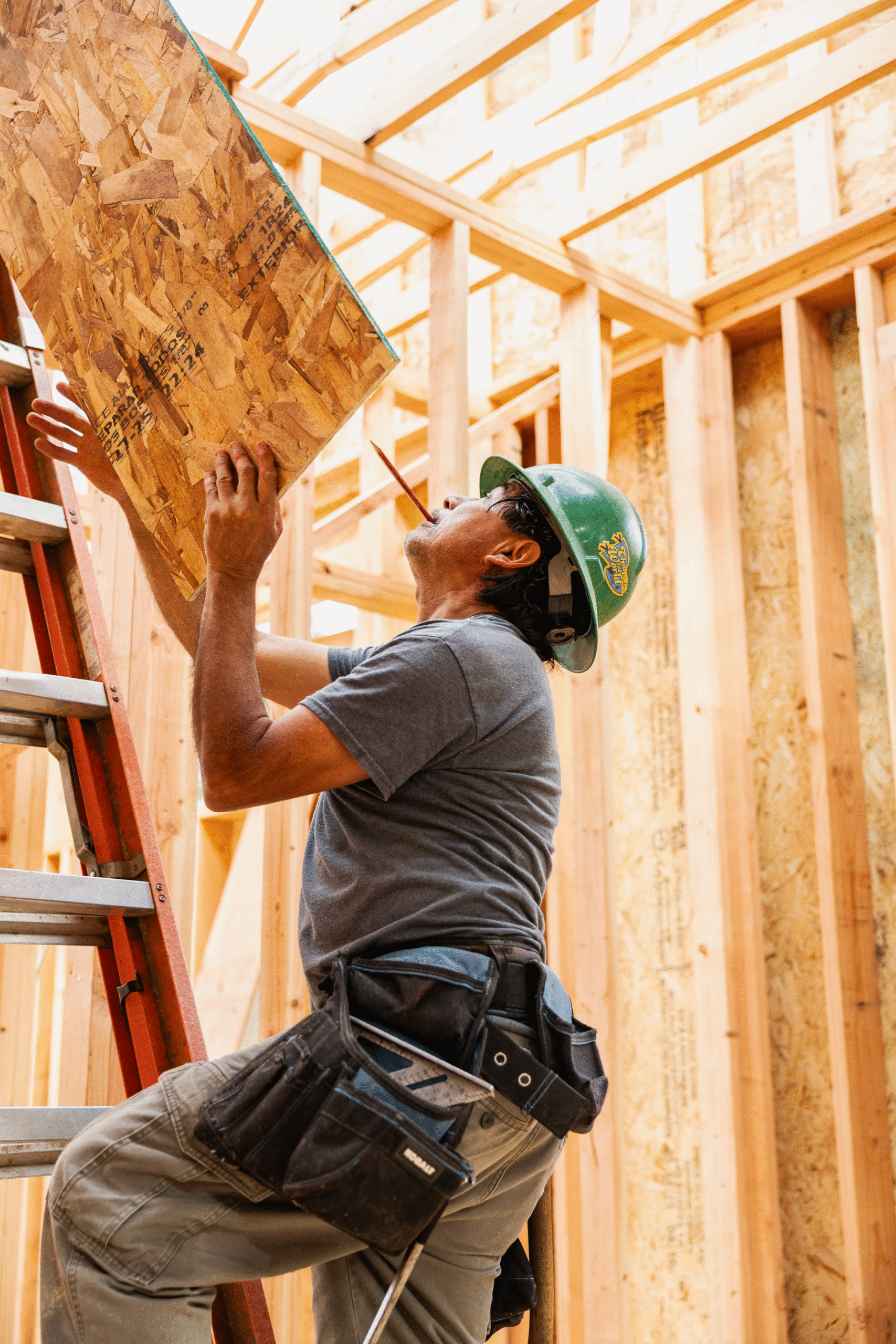
Introduction: Why the Way a Property Is Built Still Matters Decades Later
The connection between quality construction and long-term property value is often overlooked, yet it determines whether a home remains durable, efficient, and desirable for decades. Walk into two homes built in the same year, in the same neighborhood, with similar layouts—and you’ll often feel an immediate difference.
One feels solid, quiet, and enduring. The other might show subtle signs of fatigue: hairline cracks, uneven finishes, doors that don’t quite align. That contrast is rarely about design. It’s almost always about how the property was built in the first place.
Quality construction is one of the most overlooked drivers of long-term property value, yet it quietly shapes everything—from maintenance costs and energy efficiency to resale price and buyer confidence. While location and aesthetics tend to dominate conversations, experienced investors and homeowners know that the true value of a property reveals itself over time. What happens five, ten, or twenty years after completion is where quality construction proves its worth.
Developers like Aker Development understand that construction is not just about completing a structure—it’s about creating something that performs consistently over decades. Their projects reflect a deliberate focus on durability, thoughtful engineering, and materials that age well. This approach doesn’t just protect the structure; it protects the investment behind it.
In this article, we’ll go deeper than surface-level advice. We’ll explore how quality construction influences long-term property value from multiple angles—financial, structural, environmental, and even psychological. More importantly, we’ll connect these insights to real-world practices and decisions that define high-quality developments today.
Materials and Craftsmanship: The Invisible Drivers of Long-Term Value
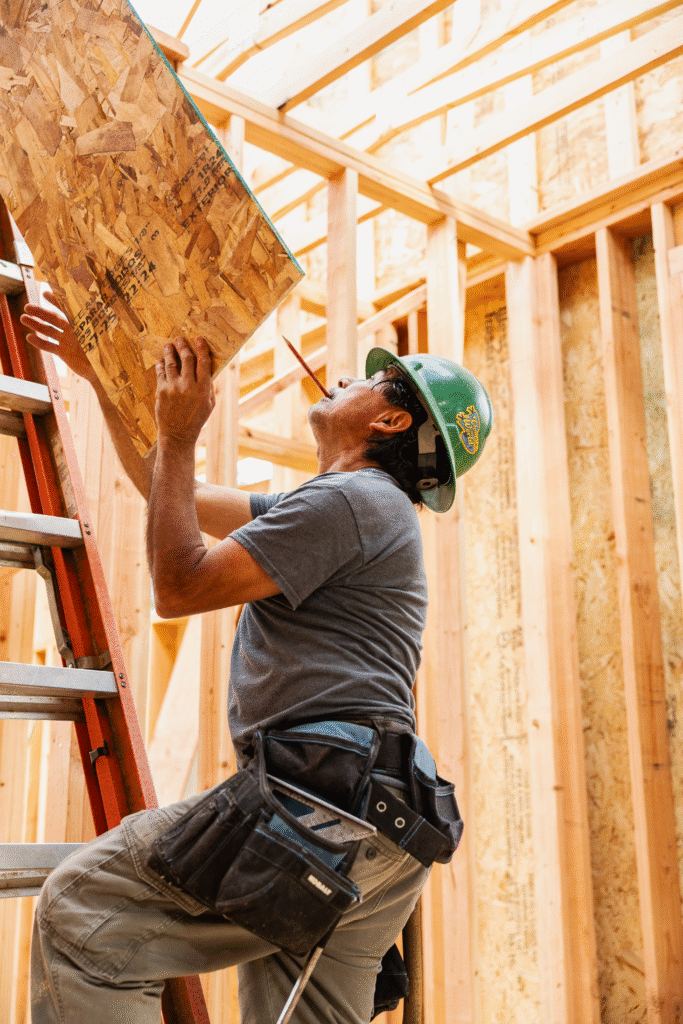
The materials used in construction are often hidden beneath finishes, paint, and design elements, but they are among the most important factors in determining how a property performs over time. High-grade concrete, properly treated steel, moisture-resistant wood, and premium insulation materials don’t just enhance durability—they prevent problems before they begin.
When inferior materials are used, issues rarely show up immediately. Instead, they surface gradually—cracks widening over time, leaks forming during heavy rains, or structural components weakening under stress. These issues don’t just cost money to fix; they erode confidence in the property itself. Buyers and tenants become cautious, and the property’s reputation begins to decline.
Craftsmanship is what brings materials to life. Even the best materials can fail when handled poorly. Precision in installation, attention to detail, and adherence to proven construction methods are what separate a well-built property from an average one. This is where experienced developers make a noticeable difference.
Aker Development places strong emphasis on both material selection and execution. Their process involves careful sourcing, strict quality checks, and collaboration with skilled professionals who understand the long-term implications of every construction decision. This combination ensures that their projects are not just visually appealing at launch, but structurally reliable years down the line.
There’s also a financial dimension to this. Properties built with high-quality materials and craftsmanship typically require fewer repairs and replacements. Industry data from the National Association of Home Builders consistently highlights how material quality and proper construction practices directly influence a property’s durability and long-term maintenance costs.
Over time, this translates into lower maintenance costs, fewer disruptions, and stronger overall returns. For investors, this is where the real advantage lies—not just in what a property earns, but in what it doesn’t cost.
Structural Integrity: The Backbone of Market Confidence
A property’s structural integrity is its most fundamental asset. It determines whether the building can withstand environmental pressures, usage over time, and unforeseen stresses. More importantly, it shapes how the market perceives the property.
When a building is known for its structural reliability, it gains something intangible but powerful: trust. Buyers are more willing to invest, tenants feel more secure, and lenders are more confident in financing. On the other hand, even minor structural concerns can significantly reduce a property’s appeal.
This is why developers who prioritize engineering excellence tend to deliver projects that retain value more effectively. Structural integrity isn’t just about meeting minimum standards—it’s about exceeding them. It involves rigorous planning, accurate load calculations, and consistent quality control throughout the construction process.
Aker Development integrates these principles into every stage of their projects. From foundation work to final inspections, their focus remains on creating structures that can stand the test of time. This commitment not only enhances safety but also strengthens long-term property value by maintaining buyer confidence.
There’s also a ripple effect. Properties with strong structural integrity often benefit from better insurance terms and more favorable financing options. Financial institutions recognize the reduced risk, which translates into tangible advantages for property owners. Over time, these benefits compound, reinforcing the value of investing in quality construction from the start.
Energy Efficiency and Sustainability: Modern Value Drivers
Today’s property market is evolving. Buyers and tenants are no longer looking solely at location and design—they are paying close attention to how a building performs in terms of energy use and environmental impact. This shift has made energy efficiency a key factor in long-term property value.
Buildings that are designed with sustainability in mind tend to offer lower utility costs, improved indoor comfort, and reduced environmental impact. Features such as proper insulation, efficient HVAC systems, and strategic natural lighting can significantly enhance a property’s performance over time.
According to insights from the U.S. Department of Energy, energy-efficient homes can reduce overall energy consumption by a substantial margin, leading to long-term savings for homeowners. These savings are increasingly being factored into property valuations, making efficiency a financial advantage rather than just an environmental one.
Aker Development incorporates these principles into its projects by focusing on smart design and efficient systems. Their developments are built not just to meet current standards but to remain relevant as expectations continue to evolve. This forward-thinking approach ensures that their properties maintain strong market appeal in the years ahead.
Sustainability also influences perception. Properties that demonstrate environmental responsibility tend to attract a more conscious and forward-looking audience. This can lead to higher demand, quicker sales, and stronger long-term value. In a competitive market, these factors can make a significant difference.
The Financial Perspective: Why Quality Pays Off Over Time
At first glance, quality construction may seem more expensive. Higher-grade materials, skilled labor, and thorough processes all come at a cost. However, this perspective changes completely when viewed over the long term.
Properties built with quality in mind tend to appreciate more steadily. They experience fewer issues, attract better tenants, and maintain stronger resale value. In contrast, properties built with cost-cutting measures often face ongoing expenses that gradually erode profitability.
Maintenance is one of the most significant factors here. Frequent repairs, replacements, and upgrades can quickly add up, turning what seemed like a cost-saving decision into a financial burden. Quality construction minimizes these risks by addressing potential issues before they arise.
There’s also the matter of market positioning. Well-built properties often command higher prices because they offer something buyers are willing to pay for—peace of mind. Insights from Forbes note that construction quality and overall condition are among the most influential factors in determining resale value, often outweighing purely cosmetic upgrades.
This is especially true in markets where buyers have multiple options and are becoming more discerning in their choices.
Aker Development’s projects reflect this understanding. By prioritizing long-term performance over short-term savings, they create properties that deliver consistent value. For investors and homeowners alike, this approach provides a more stable and predictable return on investment.
Aker Development’s Philosophy: Building Beyond the Present
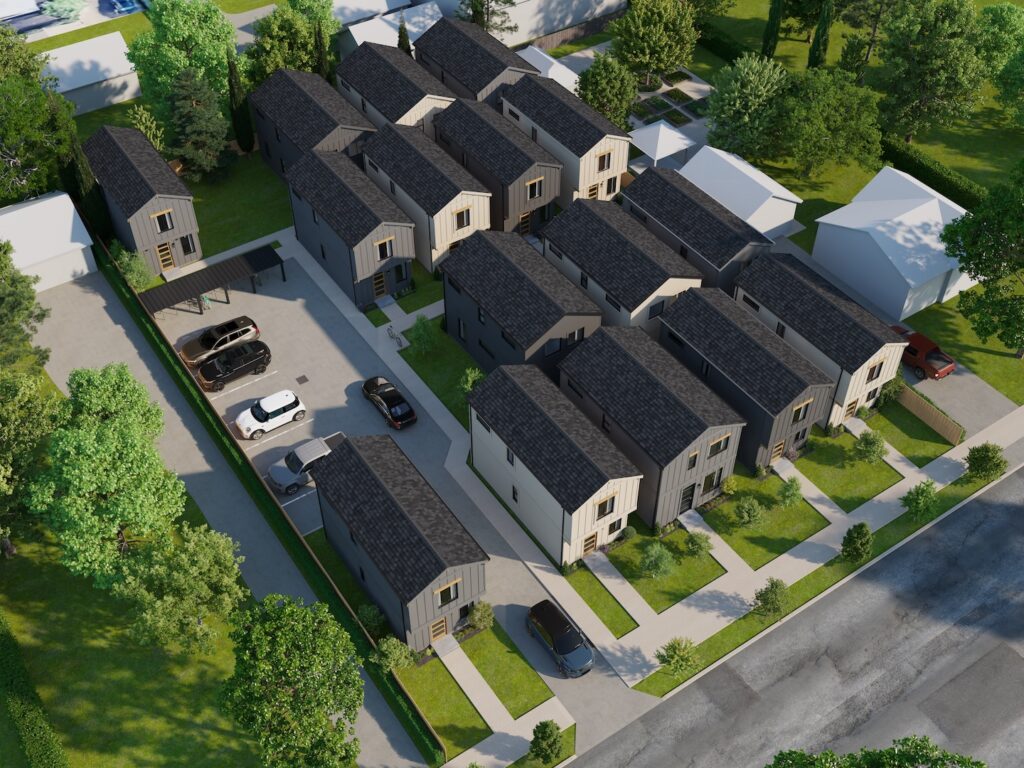
What truly separates Aker Development from many developers in today’s crowded real estate space is not just their ability to deliver projects—it’s the way they think about time. While others may focus on completing a build efficiently or maximizing short-term returns, Aker approaches every project with a much longer horizon in mind. They don’t just ask, “Will this look good when it’s finished?” They ask, “Will this still perform, hold value, and feel relevant ten or twenty years from now?” That shift in perspective influences every decision they make, from planning to execution.
This philosophy becomes evident early in the development process. Instead of rushing into construction, Aker places strong emphasis on pre-construction planning—studying the land, understanding environmental conditions, and mapping out how the property will function in real life, not just on paper. They consider how natural light moves through a space, how ventilation will perform in different seasons, and how materials will respond to long-term exposure. These are not always visible details, but they are the ones that determine whether a property ages gracefully or struggles over time.
Another defining aspect of Aker Development’s approach is their understanding that construction is never just a sequence of steps—it’s a network of decisions that all influence one another. A minor adjustment in layout can impact airflow, which in turn affects energy efficiency and long-term costs. A material choice in one area can influence maintenance requirements in another. By recognizing these connections, Aker ensures that each decision supports the overall performance of the property rather than creating hidden trade-offs that surface later.
Collaboration is also deeply embedded in how Aker operates. They don’t treat architects, engineers, and contractors as separate entities working in isolation. Instead, they foster a coordinated environment where communication is constant and expectations are aligned from the beginning. This reduces costly errors, minimizes delays, and results in a more cohesive final product. It also allows for better problem-solving when unexpected challenges arise—something that inevitably happens in any construction project.
Consistency is where all of these elements come together. For Aker Development, quality is not a feature reserved for flagship projects or premium builds—it’s a baseline standard applied across everything they do. This consistency is what builds long-term trust. Clients and investors don’t just evaluate a single project; they evaluate the track record behind it. And when that track record shows a clear pattern of durability, reliability, and thoughtful execution, it strengthens the overall perception of value associated with the Aker name.
How Design Decisions Influence Long-Term Property Value
While construction quality often brings to mind materials and structure, design plays an equally important role in determining how a property holds its value over time. Good design is not just about visual appeal—it’s about functionality, adaptability, and how well a space continues to meet the needs of its occupants as those needs evolve.
One of the most important aspects of long-term design value is flexibility. Properties that are too rigid in their layout can quickly feel outdated as lifestyles change. For example, open-plan living spaces, multipurpose rooms, and adaptable layouts tend to remain relevant longer because they can be reconfigured without major structural changes. Aker Development incorporates this kind of thinking into their projects, ensuring that spaces are not only beautiful but also practical for years to come.
Flow and usability are also critical. A property may look impressive in photos, but if the layout feels awkward or inefficient in daily use, its perceived value diminishes. Elements like natural movement between rooms, intuitive placement of key areas like kitchens and bathrooms, and thoughtful storage solutions all contribute to a better living experience. Over time, these details become major selling points, especially for buyers who are comparing multiple properties.
Another factor is how well a design integrates with its environment. Properties that take advantage of their surroundings—whether through natural light, views, or climate considerations—tend to feel more comfortable and cost-efficient. For instance, proper window placement can reduce reliance on artificial lighting, while strategic shading can lower cooling costs. According to research from the U.S. Department of Energy, design choices like these can significantly impact a building’s energy performance over its lifetime.
Aker Development’s projects reflect a clear understanding of these principles. Their designs are not driven solely by trends but by long-term usability. They aim to create spaces that people enjoy living in—not just when they first move in, but years down the line. This focus on design longevity complements their construction quality, resulting in properties that maintain both function and appeal over time.
Conclusion: Building Value That Lasts
In real estate, it’s easy to get caught up in what’s immediately visible—the finishes, the staging, the initial impression of a property. But true value is rarely defined in a single moment. It reveals itself over time, through how well a property performs, how much it costs to maintain, and how confidently it holds its place in the market as years pass.
Quality construction sits at the center of all of this. It determines whether a property remains an asset or gradually becomes a liability. From the strength of its structure to the efficiency of its systems and the durability of its materials, every element contributes to its long-term trajectory. When these elements are executed with care and foresight, the result is a property that doesn’t just retain value—it continues to build on it.
What Aker Development demonstrates is that achieving this kind of outcome is not accidental. It requires a deliberate commitment to doing things the right way, even when it demands more time, effort, or investment upfront. Their focus on quality construction, thoughtful design, and consistent execution reflects a deeper understanding of what property value really means beyond the initial sale.
For investors and homeowners, this perspective offers a clear takeaway. The choices made during development are not temporary—they shape the entire lifespan of the property. Partnering with a developer that prioritizes long-term performance can make the difference between a property that simply exists and one that continues to deliver value year after year.
In the end, building for the future is not just about anticipating trends or meeting current standards. It’s about creating something that endures—something that remains reliable, desirable, and financially sound no matter how the market evolves. That is the kind of value that lasts, and it is exactly what Aker Development aims to deliver in every project they take on.
