


How developers create value beyond just building is a question that goes far beyond bricks, lumber, and construction timelines. While many people associate development with physical structures, the real impact of a developer is measured in how spaces function, how communities evolve, and how long-term value is sustained. A well-executed project is not simply a finished home—it is a carefully considered environment that supports daily life, adapts to change, and contributes to the surrounding neighborhood.
Modern development requires a multidimensional approach. Developers must think about design, usability, infrastructure, sustainability, and financial viability all at once. Every decision—whether it involves site selection, layout planning, or material choice—shapes how a property performs years after construction is complete. This broader perspective is what separates basic construction from meaningful development.
Companies like Aker demonstrate how thoughtful planning transforms projects into long-term assets. Rather than focusing solely on building completion, Aker emphasizes the full lifecycle of a home, from initial concept to ongoing livability. This approach ensures that each project contributes lasting value not only to homeowners but also to the surrounding community.
Understanding how developers create value beyond just building helps homeowners, investors, and communities recognize the difference between short-term construction and long-term impact. It reveals why some homes continue to perform, appreciate, and support better living experiences long after the final inspection is complete.
What often goes unnoticed is that development decisions have a compounding effect. A poorly planned home may still look appealing at first, but over time, inefficiencies begin to surface—higher utility costs, awkward layouts, limited adaptability, and increased maintenance. On the other hand, a well-developed property continues to improve the homeowner’s experience year after year. This contrast highlights why understanding how developers create value beyond just building is essential for anyone considering new construction.
Additionally, today’s buyers are more informed than ever. They are not only looking at finishes and square footage but also asking deeper questions about energy use, durability, and long-term livability. Developers who fail to meet these expectations often struggle to compete, while those who prioritize performance and thoughtful design stand out. This shift in buyer awareness has pushed companies like Aker to refine their processes and deliver homes that exceed expectations beyond the surface level.
Strategic Site Selection and Land Optimization
The foundation of value creation begins long before construction starts. Site selection is one of the most critical decisions in development, influencing everything from design possibilities to long-term property performance. Developers must evaluate zoning regulations, infrastructure access, environmental conditions, and neighborhood dynamics to determine whether a site can support a successful project.
Land optimization goes beyond simply fitting a structure onto a lot. It involves understanding how to maximize usable space while maintaining functionality, privacy, and compliance with local codes. In urban environments like Portland, where land is limited, this process becomes even more important. Efficient use of space allows developers to increase housing availability without compromising livability.
Aker approaches site selection with a strategic mindset. By analyzing each parcel in detail, they identify opportunities that others might overlook—such as underutilized lots or properties suitable for infill development. This careful evaluation ensures that each project starts with a strong foundation, both structurally and financially.
Thoughtful site planning also reduces long-term risks. Proper grading, drainage, and positioning improve durability and minimize maintenance issues. These early decisions play a significant role in how developers create value beyond just building, as they directly impact how well a home performs over time.
Another important aspect of site selection is future neighborhood trajectory. Developers must evaluate not just current conditions, but how an area is expected to evolve over the next five to ten years. Proximity to transit, schools, commercial zones, and planned infrastructure improvements can significantly influence long-term value.
Infill opportunities also require creative problem-solving. Irregular lot shapes, access limitations, or existing structures can initially seem like constraints, but experienced developers like Aker often turn these into advantages. By approaching each site with flexibility and innovation, they are able to unlock value that is not immediately obvious.
Design That Reflects Real Living Needs
Design is where functionality meets experience. A well-designed home does more than look appealing—it supports how people actually live. Developers who focus on value creation prioritize layouts that enhance flow, maximize natural light, and provide flexibility for changing lifestyles.
Modern buyers expect homes to serve multiple purposes. Spaces must accommodate work, relaxation, entertainment, and family life without feeling cramped or inefficient. This requires thoughtful planning, not just aesthetic decisions. Open layouts, adaptable rooms, and smart storage solutions all contribute to long-term usability.
Aker integrates design with real-world functionality. Instead of following trends blindly, they focus on how spaces will be used daily. This approach results in homes that feel intuitive and comfortable, reducing the need for future modifications.
Design also influences emotional experience. Lighting, proportions, and material choices shape how a home feels, not just how it looks. When developers prioritize these elements, they create environments that support well-being.
Another layer of effective design is anticipating future lifestyle shifts. A home that works well today should still function efficiently as needs change—whether that involves remote work, growing families, or aging in place.
Design also plays a role in reducing daily friction. Small details such as intuitive circulation paths, well-placed storage, and balanced room proportions significantly improve how a home feels to live in.
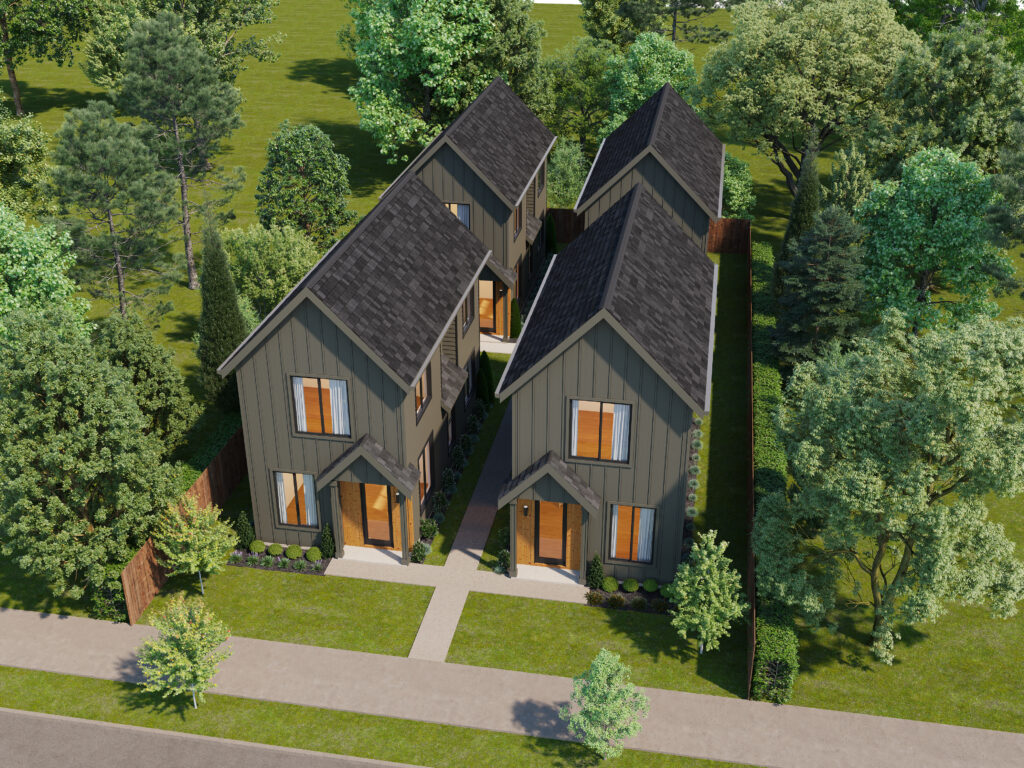
Suggested Alt Text: how developers create value beyond just building through smart home design and planning
Infrastructure Planning and System Integration
Behind every well-functioning home is a network of systems working together seamlessly. Plumbing, electrical, HVAC, and drainage systems are often overlooked, yet they play a crucial role in long-term performance.
Developers who prioritize value invest in integrated system design. Efficient layouts reduce energy consumption, improve comfort, and extend the lifespan of key components.
Aker emphasizes coordination between design and infrastructure, minimizing conflicts during construction and ensuring smoother execution.
For additional guidance on building systems and efficiency, developers often reference resources from the U.S. Department of Energy.
Another often overlooked factor is system accessibility. Homes that are designed with maintenance in mind allow for easier servicing and upgrades over time.
Coordination between systems also prevents performance conflicts, ensuring all components work together efficiently.
Sustainability as a Long-Term Value Strategy
Sustainability is no longer a supplementary aspect of modern development—it is central to creating homes that retain their value over time. A sustainable approach goes beyond energy-efficient appliances or solar panels; it encompasses how a home interacts with its environment, reduces waste, and supports occupant well-being over decades. Thoughtful planning in sustainability ensures that homes remain functional, cost-effective, and resilient, even as climate patterns shift or energy regulations evolve.
Aker integrates sustainability into every stage of development, from site analysis to material selection and construction practices. By prioritizing energy-efficient systems, such as high-performance insulation, LED lighting, and smart thermostats, they reduce both utility costs and environmental impact. These measures not only improve day-to-day comfort but also increase resale value, as buyers increasingly prioritize homes with proven efficiency credentials.
Material selection is another critical factor. Aker chooses durable, low-maintenance materials that resist wear and environmental stress, such as sustainably sourced timber, long-lasting roofing materials, and low-VOC finishes. This approach prevents early deterioration, reduces maintenance costs, and contributes to the home’s long-term resilience. By anticipating how materials perform over decades, developers can save homeowners from costly repairs and disruptions down the line.
Resilience itself is an emerging priority in sustainable development. Homes must be built to withstand extreme weather, shifting soil conditions, and potential energy supply interruptions. Aker’s projects in Portland incorporate design strategies like rainwater management, robust structural systems, and high-efficiency mechanical systems. These forward-looking decisions ensure that the home remains livable, safe, and efficient even under unforeseen circumstances. For more information about sustainable building practices, visit the Environmental Protection Agency.
Sustainability also includes the intangible benefits of healthier living. Proper ventilation, natural lighting, and carefully selected finishes improve air quality and overall well-being, making homes more attractive to both occupants and future buyers. In this way, sustainability is not just a feature—it is a value-enhancing philosophy that permeates every element of design and construction.
Navigating Regulations and Permitting
Understanding and navigating regulations is often one of the most complex, yet crucial, aspects of development. Cities like Portland have extensive zoning codes, building standards, and permit requirements, which, if misunderstood or overlooked, can lead to costly delays and redesigns. Developers must carefully evaluate how these rules impact project design, material choices, and even long-term feasibility.
Aker’s long-term experience in Portland provides a significant advantage in navigating these regulatory waters. Their team knows which permits are required, the sequence in which approvals should be sought, and how to communicate effectively with city agencies. This reduces the likelihood of costly setbacks and ensures that projects progress smoothly. For official guidance on permitting and building regulations in Portland, visit Portland Bureau of Development Services.
Permitting is not merely a compliance exercise—it shapes design decisions and construction logistics. Understanding height limits, setbacks, lot coverage ratios, and stormwater requirements allows developers to plan efficiently while maintaining design quality. Early engagement with regulatory bodies can prevent rework, enhance sustainability measures, and even uncover opportunities for creative design solutions within existing codes.
Beyond procedural compliance, developers also play a role in advocating for thoughtful policy application. By working closely with planning departments and community boards, Aker ensures that projects not only meet legal requirements but also reflect broader community values. Their proactive approach transforms what could be a bureaucratic hurdle into a strategic advantage, creating homes that are both compliant and contextually appropriate.
Financial Planning and Cost Management
Financial planning is a cornerstone of successful development, directly influencing both short-term feasibility and long-term value creation. Ground-up projects are inherently complex, with numerous variables that can impact budgets—land acquisition costs, construction materials, labor fluctuations, and unforeseen site conditions all play a role.
Aker approaches financial planning with transparency and rigor. Their team prepares realistic budgets, incorporating contingencies for unexpected developments, and ensures that every dollar allocated aligns with project objectives. This disciplined approach helps homeowners and investors understand the full scope of financial commitment while reducing stress and uncertainty throughout the construction process.
Lifecycle cost forecasting is another critical factor in long-term value. Rather than focusing solely on upfront construction costs, Aker evaluates how design decisions, material selection, and systems integration will affect ongoing maintenance and energy expenses. This perspective ensures affordability over the home’s entire life, providing homeowners with predictable operating costs and protecting against financial surprises.
Transparent communication is essential. Regular financial updates, clear reporting, and explanation of budget variances foster trust between developers and homeowners. By demystifying the financial side of construction, Aker empowers buyers to make informed decisions and confidently invest in a property that is not only beautifully designed but financially sound.
Understanding long-term investment potential also involves staying informed about housing policies and federal programs that impact financing and development. The U.S. Department of Housing and Urban Development provides guidelines on urban development, financing incentives, and sustainable housing programs that developers and buyers can leverage for smarter planning.

Community Integration and Neighborhood Impact
Developers create value not only within the walls of a home but also in the context of the surrounding neighborhood. Thoughtful integration strengthens community cohesion, enhances street appeal, and preserves the identity of local areas. Poorly planned developments, by contrast, can disrupt neighborhood flow, increase congestion, and diminish overall livability.
Aker’s development philosophy emphasizes contextual design. Each project is tailored to complement the existing streetscape, align with local architectural character, and respect the scale and rhythm of adjacent properties. This approach balances modern functionality with aesthetic continuity, ensuring that new construction enriches rather than intrudes upon established communities.
Community engagement is another key aspect. Aker prioritizes transparent communication with neighbors, municipal planners, and local stakeholders, addressing concerns about timelines, design choices, and construction logistics. By fostering dialogue and understanding, they mitigate potential conflicts and build a sense of shared investment in the project’s success.
This attention to context and communication reflects a broader principle: true value creation extends beyond individual properties to influence overall neighborhood quality. Homes developed with respect for their surroundings enhance property values, promote long-term stability, and contribute positively to the urban fabric.
Innovation and Adaptability in Modern Development
Homes today must accommodate dynamic lifestyles, evolving technology, and changing family needs. Flexibility in design ensures that a property remains functional, relevant, and appealing long after construction is complete.
Aker incorporates innovative solutions into their projects, such as adaptable floor plans, multipurpose spaces, and energy-efficient smart home systems. These features provide both immediate convenience and long-term utility, allowing residents to adjust spaces as their needs evolve.
Technology plays a central role in modern adaptability. Integrated systems for lighting, security, climate control, and energy monitoring allow homeowners to manage their living environment efficiently. This reduces utility costs, enhances comfort, and extends the home’s usable lifespan.
By emphasizing innovation and adaptability, Aker ensures that homes continue to meet practical and aesthetic needs over decades. A flexible, well-designed home maintains its value, reduces the likelihood of costly renovations, and strengthens the connection between homeowner and property.
Long-Term Maintenance and Performance
Durability and ongoing performance are where the true value of development is realized. A home that performs well over time requires careful attention to materials, systems, and design.
Aker selects materials that withstand Portland’s climate, such as moisture-resistant siding, long-lasting roofing, and robust flooring. This approach minimizes the need for frequent repairs while maintaining aesthetic quality and comfort.
Preventative design is equally critical. Proper grading, efficient drainage systems, and easy access to mechanical components reduce wear and tear while supporting smooth maintenance routines. These considerations extend the life of a home and reduce unexpected costs.
Finally, educating homeowners about proper care ensures long-term performance. Aker provides guidance on system maintenance, seasonal inspections, and responsible use of energy systems. This partnership between developer and homeowner maximizes the durability and livability of each property.
Conclusion: The True Value of Thoughtful Development
How developers create value beyond just building is about more than the physical structures—they are shaping communities, setting standards for livability, and planning for the long-term impact of their work. Thoughtful development considers the interplay of design, planning, sustainability, and community integration, ensuring that every home contributes positively to both its residents and its neighborhood. Aker embodies this philosophy by not only constructing homes but by strategically guiding each project from conception to completion, emphasizing quality, efficiency, and adaptability.
The true measure of a development’s value emerges over time. Energy-efficient systems, resilient materials, and flexible layouts do not merely improve initial aesthetics—they reduce future maintenance, adapt to evolving lifestyles, and respond to environmental changes. By prioritizing long-term performance, Aker ensures that homes remain relevant and comfortable for decades, allowing homeowners to enjoy sustained benefits from their investment. This foresight creates confidence for buyers and reinforces the trust communities place in responsible developers.
Beyond individual properties, thoughtful development has broader societal implications. Each project impacts neighborhood dynamics, streetscapes, and infrastructure demands. By respecting existing context and engaging with local stakeholders, developers like Aker strengthen community cohesion, support sustainable urban growth, and maintain the delicate balance between density and livability. When residents experience a seamless integration of new construction into established neighborhoods, the collective value of the development extends far beyond the sum of its parts.
Finally, choosing the right developer transforms the homebuying and investment experience. It’s not simply about acquiring property; it’s about partnering with a team that understands market trends, regulatory landscapes, and design innovation. Aker’s structured approach ensures clarity, mitigates risks, and maximizes rewards, reflecting a philosophy where every decision—from material selection to final handover—enhances both immediate enjoyment and long-term value. Ultimately, homes built with this level of care and foresight offer more than shelter—they deliver enduring security, comfort, and community enrichment.
External Links
- EPA – Environmental Building Practices
- Portland Bureau of Development Services
- The U.S. Department of Housing and Urban Development
