
Introduction: The Shift Toward Smarter Growth
The discussion surrounding Infill vs Suburban Development has evolved into a more thoughtful and strategic conversation as cities face increasing pressure to grow responsibly. What used to be a straightforward expansion model has now become a complex balancing act involving long-term livability, environmental considerations, and financial sustainability. Developers are no longer judged solely on how quickly they can build, but on how well their projects perform over time. This shift has introduced a new standard for planning that prioritizes quality over speed.
In earlier decades, outward expansion symbolized progress, offering families more space and a quieter lifestyle away from dense urban centers. Entire neighborhoods were built rapidly to meet demand, creating a sense of opportunity and accessibility. However, as these communities spread further outward, limitations began to surface in ways that could not be ignored. Increased commuting times, infrastructure strain, and rising costs have all contributed to a growing need for alternative strategies. These realities have reshaped how developers think about growth.
Aker Development has adapted to this evolving landscape by focusing on intentional planning and long-term value creation. Rather than relying on a single approach, the company evaluates each project based on its context and potential impact. This allows Aker to deliver developments that are both functional and forward-thinking. By combining experience with innovation, the company ensures that its work remains relevant in a rapidly changing environment.
Understanding the differences between these development models is essential for making informed decisions in today’s market. Each approach offers unique advantages, but also presents challenges that must be carefully managed. By examining these factors in detail, it becomes easier to identify smarter ways to build. This exploration sets the stage for understanding how companies like Aker Development are shaping the future of construction.
Suburban Development: Growth, Appeal, and Emerging Limitations
Suburban development has historically offered a compelling solution for growing populations by providing accessible housing options outside dense city centers. Builders were able to create entire neighborhoods on undeveloped land, often at a faster pace and lower cost than urban projects. These communities were designed to prioritize comfort, privacy, and convenience, making them highly attractive to families. Over time, this model became a cornerstone of modern residential expansion.
One of the main reasons for its popularity is the ability to offer larger homes at more affordable prices. Buyers are drawn to the extra space, quieter surroundings, and access to amenities such as schools and parks. These features contribute to a sense of stability and long-term value. However, as suburban areas continue to expand, the challenges associated with this model have become more visible. The need to extend infrastructure and services introduces complexities that affect both cost and efficiency.
Insights from EPA Smart Growth emphasize how unchecked outward expansion can lead to inefficient land use and increased environmental impact. Developing new areas requires extensive investment in roads, utilities, and public services, all of which must be maintained over time. This can place a financial burden on municipalities and residents alike. Additionally, reliance on personal vehicles contributes to higher energy consumption and environmental strain. These concerns are driving a shift toward more balanced approaches.
Aker Development addresses these challenges by applying a more strategic perspective to suburban projects. By optimizing layouts and planning for long-term sustainability, the company ensures that each development remains efficient and adaptable. This approach allows suburban communities to retain their appeal while evolving to meet modern expectations. Through thoughtful execution, Aker demonstrates how traditional models can be refined for better outcomes.
Infill Development: Maximizing Existing Potential
Infill development focuses on utilizing underused spaces within established communities, offering a more efficient alternative to outward expansion. Instead of building on new land, this approach revitalizes areas that may have been overlooked or underutilized. This not only improves land efficiency but also enhances the overall character of neighborhoods. As cities continue to grow, this strategy has become increasingly relevant.
One of the key benefits of infill projects is the ability to leverage existing infrastructure. Transportation networks, utilities, and public services are already in place, reducing the need for costly expansions. Strong Towns highlights how investing in existing communities leads to stronger and more resilient urban environments. This perspective aligns with the broader goal of creating sustainable and connected spaces. By focusing on integration, developers can achieve better results with fewer resources.
Aker Development has embraced this approach by identifying opportunities that align with both market demand and community needs. Through innovative design and careful planning, the company transforms underutilized spaces into vibrant developments. These projects not only address housing shortages but also contribute to the revitalization of surrounding areas. This demonstrates how thoughtful development can create lasting value.
As demand for well-located housing continues to rise, infill development offers a practical solution that balances efficiency with sustainability. By prioritizing accessibility and integration, developers can create environments that support both economic growth and community well-being. Aker’s work in this area highlights the benefits of building smarter and more intentionally.
Cost, Efficiency, and Long-Term Value
When evaluating Infill vs Suburban Development, financial considerations play a crucial role in shaping decisions. While suburban projects may appear more affordable initially, they often involve hidden costs that accumulate over time. Infrastructure expansion, transportation, and maintenance expenses can significantly impact overall investment value. This makes it essential to consider long-term outcomes rather than focusing solely on upfront costs.
Infill projects, although requiring higher initial investment, often provide greater efficiency and accessibility. Proximity to amenities reduces travel time and associated expenses, improving convenience for residents. These advantages contribute to stronger demand and higher property values over time. As a result, developments within established areas often deliver more consistent returns.
Research from Urban Land Institute emphasizes the importance of creating developments that are both economically sustainable and socially beneficial. By prioritizing efficiency and integration, developers can ensure that their projects remain viable in a changing market. This approach reflects a growing emphasis on responsible and strategic planning. It also highlights the importance of balancing financial goals with community impact.
Aker Development applies this mindset by carefully evaluating each project’s potential to deliver lasting value. Through strategic planning and innovative design, the company ensures that its developments meet both financial and community objectives. This comprehensive approach allows Aker to create projects that remain relevant and successful over time.
Sustainability and Environmental Impact
Environmental responsibility has become a defining factor in modern development, influencing how projects are designed and executed. Expanding into undeveloped land often leads to habitat disruption and increased resource consumption. These challenges have prompted developers to explore alternative approaches that minimize environmental impact. As awareness continues to grow, sustainable practices are becoming a priority.
Infill development offers a more environmentally friendly solution by reducing the need for additional land use. By focusing on existing spaces, developers can preserve natural areas while making better use of available infrastructure. This approach also encourages walkability and access to public transportation, reducing reliance on vehicles. These benefits contribute to healthier and more sustainable communities.
Aker Development integrates sustainability into every stage of its projects, ensuring that environmental considerations are prioritized. By incorporating energy-efficient designs and responsible construction practices, the company reduces the overall impact of its developments. This commitment reflects a deeper understanding of sustainable growth.
As cities continue to expand, adopting smarter building practices will be essential for maintaining balance between development and preservation. Aker’s approach demonstrates how thoughtful planning can support both progress and environmental responsibility.
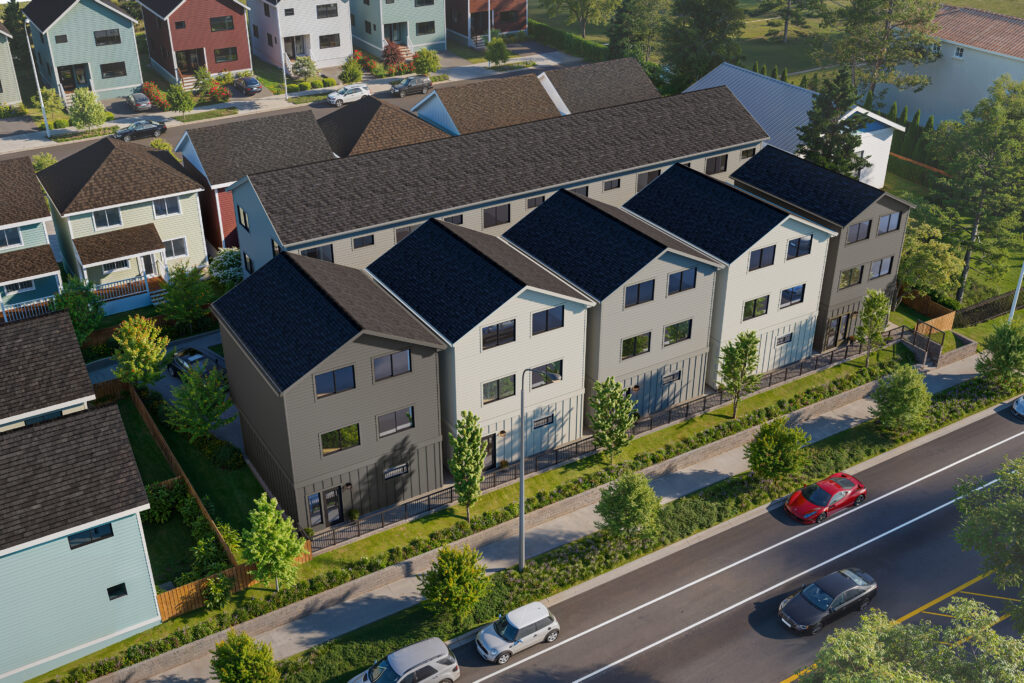
Aker Development Case Study: Turning Underutilized Space into Long-Term Value
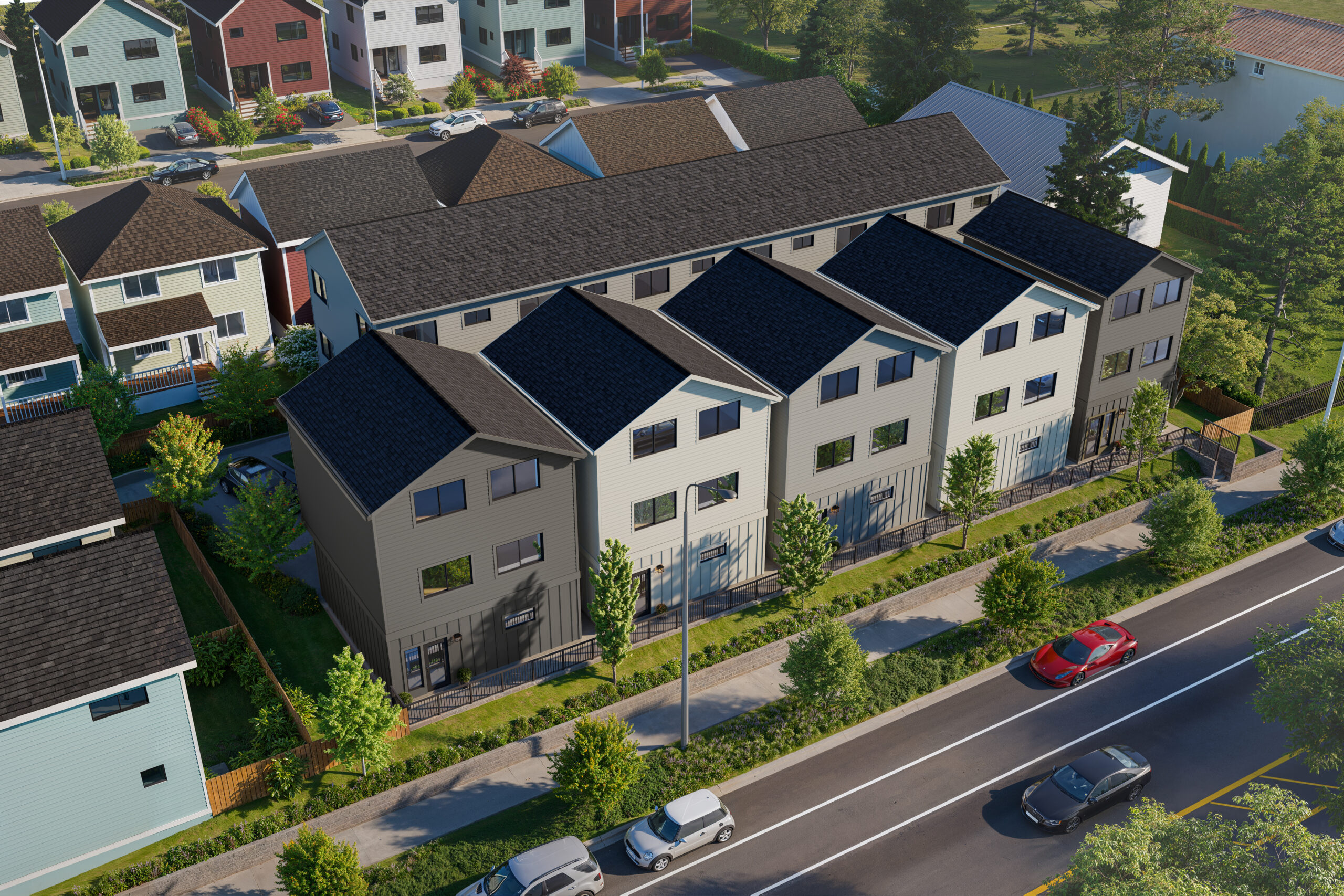
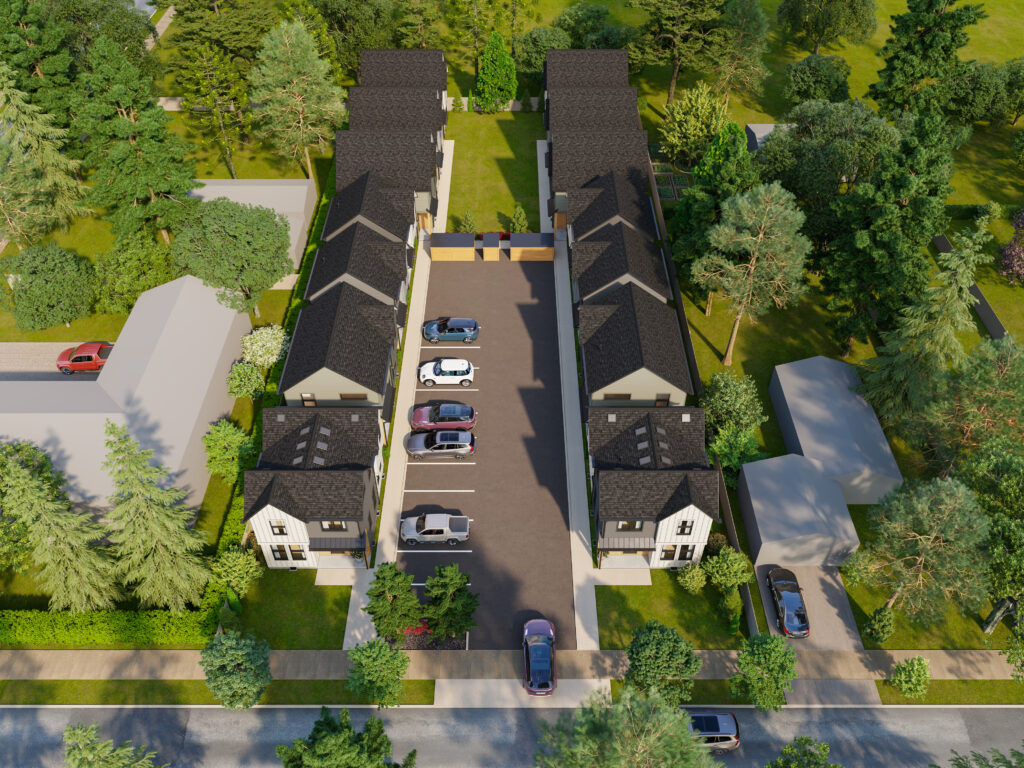
Aker Development’s approach becomes especially clear when looking at how the company handles underutilized sites within growing urban areas. In one of its recent projects, Aker identified a location that had long been overlooked due to its limited accessibility and outdated layout. Rather than dismissing the opportunity, the team conducted a detailed analysis to understand how the space could be reimagined. This process involved evaluating surrounding infrastructure, community needs, and long-term growth potential. The result was a strategy that transformed the site into a functional and valuable asset.
Instead of applying a generic development model, Aker focused on creating a design that complemented the existing environment. The project incorporated efficient layouts, improved accessibility, and features that enhanced overall usability. By doing so, the development integrated seamlessly with its surroundings while adding measurable value. This approach demonstrated how thoughtful planning can unlock opportunities that might otherwise be overlooked. It also highlighted the importance of adapting design to context rather than forcing a predetermined concept.
Community engagement played a significant role in shaping the final outcome of the project. Aker worked closely with local stakeholders to ensure that the development aligned with shared priorities. This collaborative process helped create a space that not only met market demand but also contributed positively to the surrounding area. By involving the community, Aker ensured that the project would be both functional and widely supported. This level of engagement reflects a deeper commitment to responsible development.
The success of this project illustrates how infill strategies can deliver long-term value when executed correctly. By focusing on efficiency, integration, and sustainability, Aker Development was able to create a development that benefits both residents and investors. This case study serves as a practical example of how smarter building practices can lead to better outcomes. It reinforces the idea that innovation and thoughtful planning are key to shaping the future of development.
Conclusion: A Smarter Way to Build for the Future
The comparison of Infill vs Suburban Development highlights the importance of thoughtful decision-making in modern construction. Each approach offers unique advantages, yet both require careful planning to ensure long-term success. Developers must consider factors such as efficiency, sustainability, and community impact when determining the best strategy. This balanced perspective is essential for navigating today’s complex real estate landscape.
Rather than relying on a single model, the most effective approach involves understanding how each strategy can be applied in different contexts. By selecting the right method for each situation, developers can create projects that maximize value while minimizing drawbacks. This flexibility allows for more adaptable and resilient communities. It also underscores the importance of innovation in addressing modern challenges.
Aker Development exemplifies this mindset by combining expertise with forward-thinking strategies. Through its projects, the company demonstrates how thoughtful planning can lead to better outcomes for both residents and investors. This commitment to excellence ensures that each development contributes to a stronger and more sustainable future. It also highlights the value of experience in guiding decision-making.
For those looking to build or invest, partnering with Aker Development offers a clear advantage. With a focus on efficiency, sustainability, and long-term value, Aker continues to lead the way in smarter building practices. As the industry evolves, choosing the right approach will be key to creating spaces that stand the test of time. This reinforces the importance of making informed decisions that support lasting success.
