


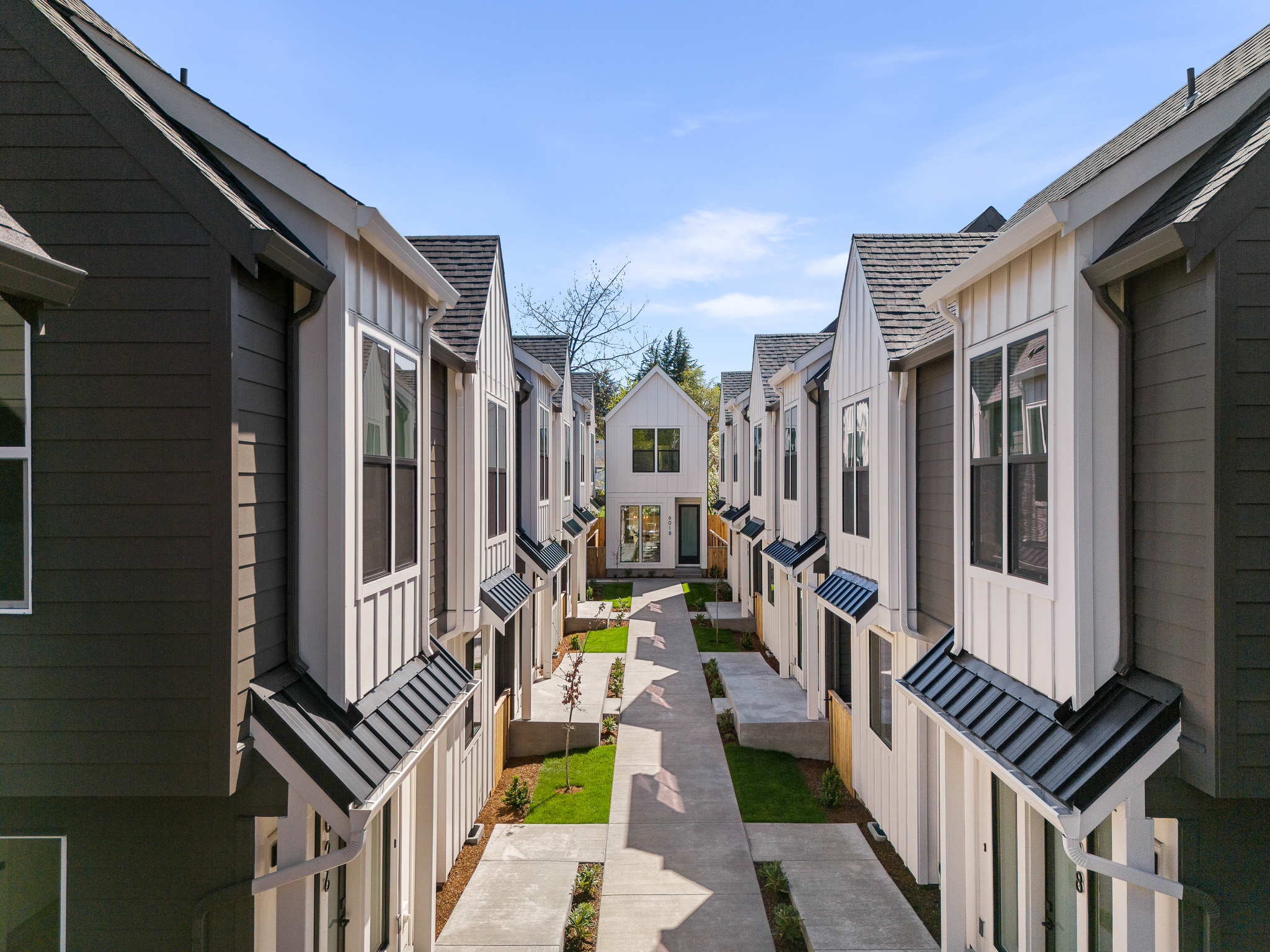
Introduction: Why Ground-Up Development Requires Strategic Thinking
The risk vs reward in ground-up development is one of the most important concepts for anyone considering new construction investment. Ground-up development refers to projects that begin with raw land and progress through planning, permitting, design, and construction before eventually becoming livable homes. While the potential financial upside can be significant, the journey from vacant property to finished residence is rarely simple. Every stage introduces decisions that influence cost, timeline, and long-term value.
Unlike purchasing an existing house, ground-up development requires confidence in a process that unfolds gradually. Land must be evaluated, regulatory approvals obtained, infrastructure planned, and architectural designs refined before construction even begins. These early stages often take longer than expected, yet they determine whether a project ultimately succeeds or struggles. Understanding the risk vs reward in ground-up development allows investors and homebuyers to approach projects with clarity rather than unrealistic expectations.
Portland’s housing landscape highlights this balance clearly. Demand for well-designed housing continues to grow, particularly in neighborhoods where infill development allows underutilized land to become residential opportunities. However, development within established communities requires careful coordination with zoning laws, environmental guidelines, and neighborhood context. Builders must balance opportunity with responsibility, ensuring that projects enhance rather than disrupt the surrounding area.
Aker approaches the risk vs reward in ground-up development with a disciplined methodology built on experience within Portland’s regulatory environment. Their development process prioritizes early planning, transparent communication, and long-term livability. By understanding the variables that shape development outcomes, Aker transforms raw land into thoughtfully designed homes that meet both market demand and community expectations.
Evaluating Land: The First Step in Managing Development Risk
Before construction begins, ground-up development requires careful evaluation of the land itself. While an empty lot may appear straightforward, the underlying factors that influence buildability are often complex. Soil composition, slope conditions, access points, utility connections, and zoning restrictions all determine what type of project can realistically be built on a property.
Aker begins every development opportunity with a detailed site analysis. Rather than focusing solely on location or lot size, the team studies how the parcel interacts with local infrastructure and municipal planning requirements. This early analysis helps determine whether the land can support residential development efficiently or whether unforeseen complications may increase project costs.
Local regulations also shape development feasibility. Portland’s zoning system regulates density, building height, setbacks, and environmental overlays that influence what can be constructed on a site. Buyers and investors interested in understanding these requirements can review development guidance provided by the Portland Bureau of Development Services .
Careful land evaluation reduces uncertainty later in the development process. By identifying constraints and opportunities early, Aker ensures that projects move forward with realistic expectations rather than speculation. This proactive planning represents the first step in balancing the risk vs reward in ground-up development.
Financial Planning and Investment Strategy
Financial planning plays a critical role in determining whether a development project succeeds. Construction budgets must account for land acquisition, architectural design, engineering analysis, permitting fees, material costs, labor, and contingency reserves. Without careful financial modeling, even promising projects can experience unexpected cost pressure.
Ground-up development requires patience because capital is invested long before revenue is realized. Investors must be prepared for extended timelines during design and permitting phases. These stages may not generate visible progress, yet they represent essential groundwork that protects the project from future complications.
Aker emphasizes realistic financial forecasting throughout the development process. By combining cost estimation with schedule planning, the team helps ensure that projects remain financially sustainable from concept to completion. Transparent budgeting allows stakeholders to understand where resources are allocated and how potential risks are managed.
Financial clarity ultimately strengthens the reward potential of development projects. When builders understand cost drivers and anticipate regulatory timelines, they can maintain stability even as market conditions evolve. This disciplined approach allows Aker to navigate the financial side of the risk vs reward in ground-up development with confidence.
Navigating Permits and Regulatory Approvals
Permitting is often the most misunderstood stage of ground-up development. Municipal review processes exist to ensure that construction aligns with safety standards, environmental protections, and community planning goals. However, navigating these regulatory frameworks requires patience and expertise.
In Portland, development permits typically involve multiple agencies reviewing architectural drawings, structural engineering plans, stormwater management systems, and environmental considerations. Each approval stage ensures that the project complies with city codes before construction begins.
Aker’s experience within Portland’s regulatory landscape allows the team to anticipate these requirements early. By preparing detailed documentation and coordinating with local agencies proactively, they reduce the likelihood of unexpected delays during permit review.
The permitting stage demonstrates how planning directly affects project outcomes. While regulatory review can extend timelines, it ultimately protects both homeowners and neighborhoods by ensuring that new development meets rigorous safety and planning standards.
Construction Challenges and Project Coordination
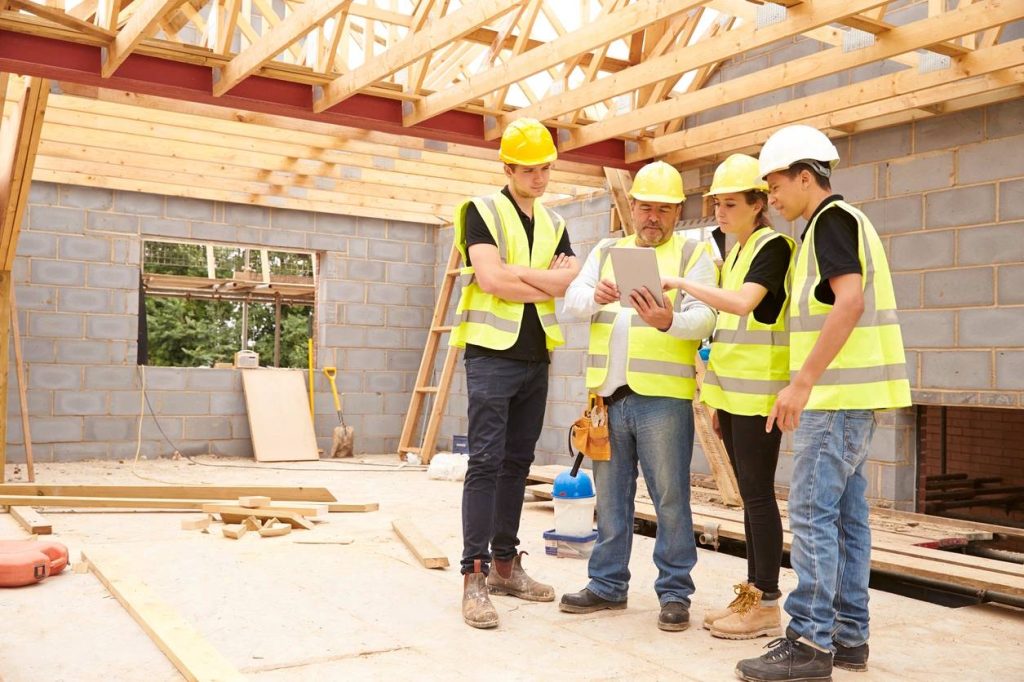
Once permits are approved, construction begins. This phase is where development risks become visible through scheduling, subcontractor coordination, and material logistics. Urban construction sites often present challenges due to limited access, neighboring properties, and infrastructure constraints.
Aker manages construction through structured project coordination. Each phase—foundation work, framing, mechanical installation, and interior finishing—must be sequenced carefully to maintain progress without compromising quality. Clear communication between contractors, engineers, and project managers keeps the process organized.
Construction safety also remains a priority. Residential building environments involve heavy equipment, structural materials, and electrical systems that require careful oversight. The Consumer Product Safety Commission highlights the importance of safe construction practices for reducing household hazards once homes are completed.
Effective construction management reduces uncertainty and ensures that projects progress smoothly. When planning, scheduling, and oversight work together, builders can transform development challenges into manageable steps rather than unexpected setbacks.
Sustainability and Long-Term Value
Modern ground-up development increasingly incorporates sustainability into planning decisions. Energy-efficient building systems, durable materials, and thoughtful site design contribute to homes that perform well over time while minimizing environmental impact.
Aker integrates sustainability considerations throughout their projects. Efficient insulation, strategic window placement, and responsible material selection reduce long-term energy consumption while improving indoor comfort. These decisions benefit homeowners by lowering operating costs and improving environmental performance.
Urban infill development also supports broader sustainability goals by reducing reliance on suburban sprawl. Compact development patterns allow residents to live closer to transportation networks, schools, and services. According to the U.S. Environmental Protection Agency, smart growth strategies encourage efficient land use and sustainable urban development.
By combining efficient design with responsible development practices, Aker strengthens the long-term value of each project. Sustainable planning ensures that the reward side of the risk vs reward in ground-up development extends well beyond initial construction.
Market Timing and Real Estate Demand
Real estate cycles also influence development strategies. Builders must anticipate how the market may evolve during the multi-year timeline that often accompanies ground-up development. A project that begins during a stable economic period may be completed during a different financial climate, meaning developers must build with flexibility in mind. By analyzing long-term trends rather than short-term fluctuations, experienced builders can reduce exposure to market volatility while positioning projects for long-term success.
Another factor affecting market timing is the evolving lifestyle preferences of buyers. Over the past decade, demand has shifted toward homes that accommodate remote work, flexible living arrangements, and energy-efficient systems. Aker monitors these behavioral changes closely, incorporating design features that support evolving household needs rather than relying on outdated assumptions about how homes are used.
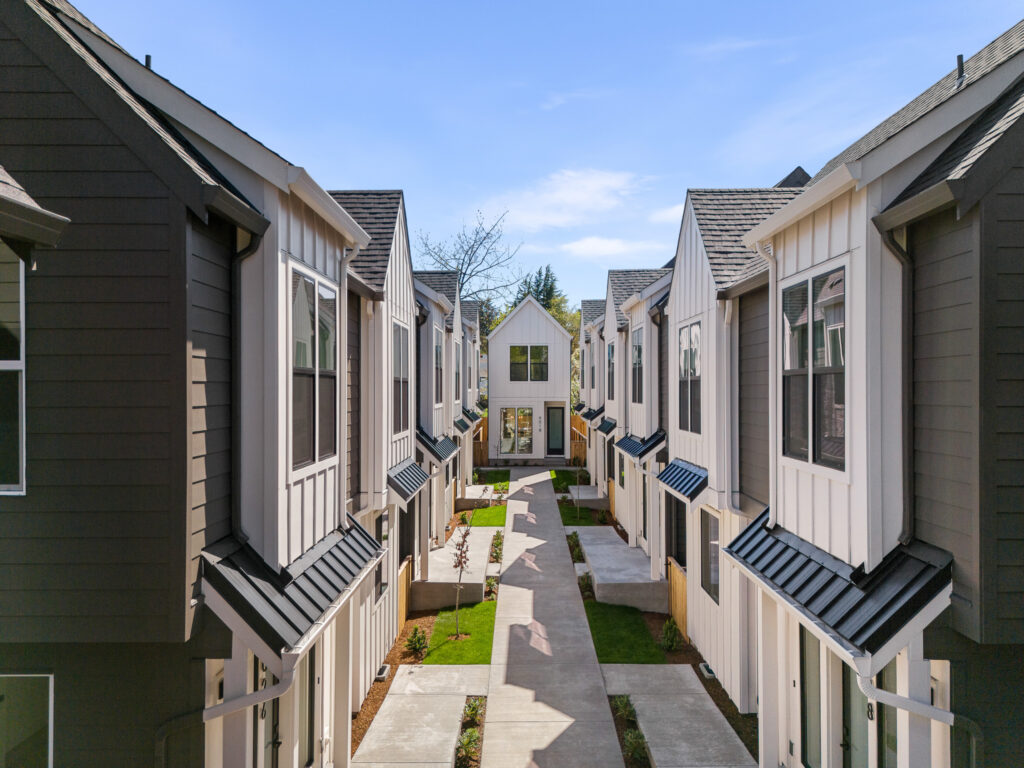
Local neighborhood momentum also influences development success. Areas experiencing infrastructure improvements, new transit access, or increased commercial activity often attract stronger buyer interest. Aker evaluates these neighborhood indicators before committing to development projects, ensuring that new homes align with broader patterns of urban growth rather than isolated speculation.
By combining market data, demographic trends, and local insight, Aker reduces uncertainty during development planning. This strategic awareness strengthens the balance between risk and reward in ground-up development, ensuring projects remain aligned with the realities of Portland’s housing market
Community Impact and Responsible Development
Responsible development also requires sensitivity to neighborhood scale and architectural continuity. Homes that dramatically differ from their surroundings can create tension within established communities. Aker approaches design with a contextual mindset, ensuring that building proportions, materials, and landscaping complement the surrounding streetscape while still introducing modern functionality.
Infrastructure capacity is another important community consideration. New homes rely on water systems, sewer connections, transportation networks, and public utilities that already serve existing residents. Thoughtful development evaluates these systems carefully to ensure that new construction integrates smoothly without placing strain on local infrastructure.
Community engagement often plays a role in successful development outcomes. When neighbors understand the goals of a project and how it will affect the surrounding area, concerns can be addressed early rather than escalating into opposition. Aker prioritizes transparency in development planning, recognizing that trust between builders and communities strengthens the long-term success of each project.
Ultimately, development should contribute positively to the neighborhoods it inhabits. Homes that enhance streetscapes, increase housing availability, and maintain thoughtful design standards reinforce community value. This philosophy guides Aker’s approach to development and reinforces the responsible balance between opportunity and community stewardship.
Conclusion: Balancing Opportunity with Responsibility
Ground-up development represents a long-term commitment that extends well beyond the construction phase. Homes built today must remain functional, efficient, and structurally sound for decades. Developers who approach projects with short-term thinking may overlook decisions that influence durability, maintenance costs, and neighborhood integration over time.
Experience plays a critical role in managing this complexity. Builders who understand local zoning regulations, environmental considerations, and infrastructure limitations can anticipate challenges before they become obstacles. Aker’s experience in Portland allows them to guide projects with a level of foresight that reduces uncertainty throughout the development process.
Another defining characteristic of successful development is collaboration. Architects, engineers, contractors, city planners, and homeowners must work together to ensure that each stage of the project aligns with the larger vision. Aker emphasizes coordination across all disciplines involved in construction, recognizing that thoughtful collaboration leads to stronger outcomes.
Ultimately, the risk vs reward in ground-up development becomes manageable when expertise, preparation, and transparency guide the process. By approaching development with discipline and long-term perspective, Aker continues to transform underutilized land into thoughtfully designed homes that contribute to Portland’s evolving housing landscape.
External Links Used in Body
Portland Bureau of Development Services
U.S. Environmental Protection Agency – Smart Growth
Consumer Product Safety Commission
Internal Links
Construction Process
Infill Development
Home Maintenance Tips
Energy Efficient Homes
