



Buying a newly built home is exciting, but many homebuyers only see the final stage of a much longer journey. Behind every finished property lies a carefully coordinated sequence of planning, design, regulatory approvals, and construction. Understanding the development process for new construction homes helps buyers appreciate the complexity involved and provides clarity about what happens long before move-in day.
New construction homes follow a development path that begins with land evaluation and ends with final inspections and homeowner orientation. Each stage builds upon the previous one, ensuring that the final structure is safe, efficient, and suited to the surrounding neighborhood. When executed thoughtfully, the process results in homes that feel intentional rather than rushed.
In cities like Portland, the development journey carries additional layers of complexity. Local zoning regulations, environmental overlays, infrastructure capacity, and neighborhood compatibility all influence how and where new homes are built. These factors mean that development is not simply about building structures—it is about aligning construction with urban planning and community goals.
At Aker, this development process for new construction homes is approached with precision and foresight. Their work throughout Portland demonstrates how careful planning and disciplined execution transform underutilized land into high-quality residential spaces that contribute positively to the city’s evolving housing landscape.
Land Identification and Site Selection
Every new construction project begins with identifying land that can support residential development. While location is important, the real evaluation goes deeper than proximity to amenities or visual appeal. Developers must consider zoning compatibility, lot dimensions, access, environmental overlays, and the broader neighborhood context.
Aker approaches site selection with a rigorous evaluation process. Rather than acquiring property based solely on potential square footage, the team studies municipal zoning maps, infrastructure availability, and long-term neighborhood trends. This ensures that the selected parcel aligns with both regulatory allowances and livability goals.
Understanding Portland’s zoning regulations is particularly important when evaluating residential land. Density allowances, setback requirements, and height limits determine what can be built. Buyers interested in reviewing Portland’s zoning and development regulations can explore resources provided by the Portland Bureau of Development Services.
By analyzing these factors early, Aker ensures that projects move forward with realistic expectations. Choosing the right lot is often the most critical step in the development process for new construction homes because it establishes the foundation for every stage that follows.
Feasibility Studies and Due Diligence
Once land is identified, a detailed feasibility study determines whether the project can proceed responsibly. This phase includes environmental review, infrastructure verification, soil analysis, and financial modeling. Each component helps developers understand whether the project is viable before major resources are invested.
Geotechnical testing is a crucial part of due diligence. Soil composition affects foundation design, drainage strategy, and long-term structural stability. Portland’s terrain can vary widely, so understanding soil conditions early prevents costly surprises during construction.
Infrastructure evaluation is equally important. Water service, sewer capacity, electrical supply, and stormwater systems must support the intended density of the project. If existing infrastructure cannot accommodate additional homes, upgrades may be required.
Aker integrates these technical assessments into their development process from the start. By coordinating with engineers, planners, and municipal agencies, they ensure that each project moves forward with clarity rather than speculation.
Architectural Design and Planning
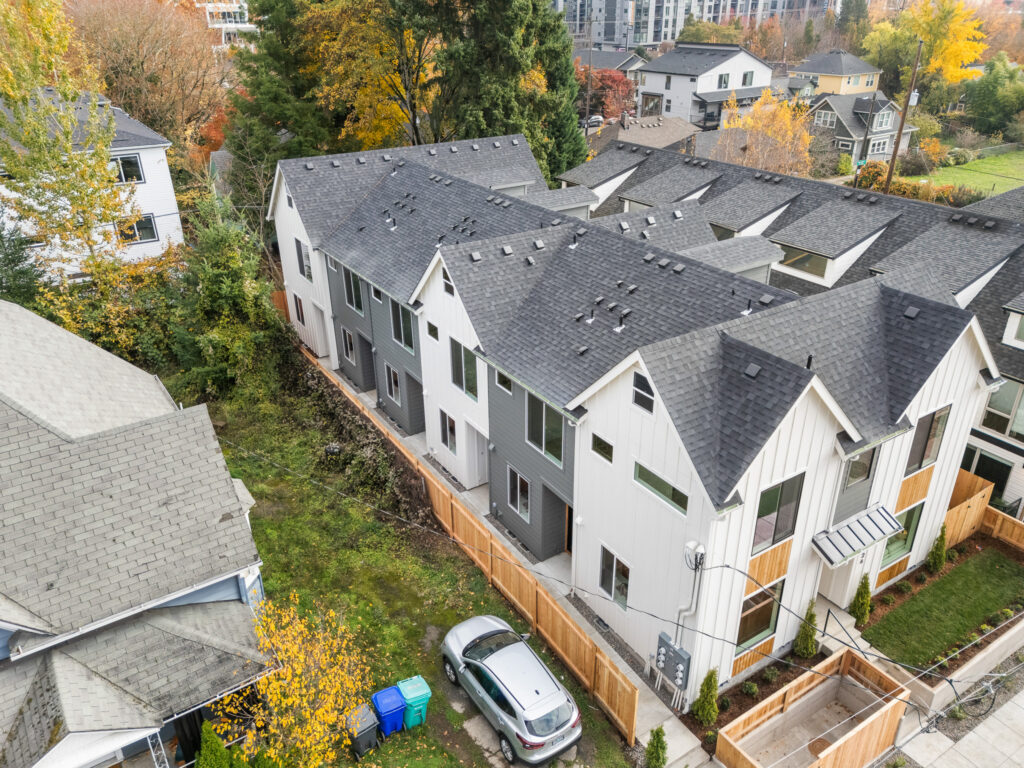
Design is where the vision of a new home begins to take shape. Architects translate zoning constraints and feasibility findings into functional layouts that support everyday living. The goal is not simply to maximize square footage but to create spaces that feel comfortable, efficient, and adaptable.
Aker collaborates with architects who specialize in residential design within Portland’s urban environment. Together they consider factors such as daylight access, privacy, circulation flow, and neighborhood scale. These design choices influence how well the finished home integrates with its surroundings.
Interior planning also plays a significant role in the development process for new construction homes. Open living areas, flexible workspaces, and efficient storage solutions reflect the evolving needs of modern households. Careful layout design ensures that homes remain practical long after construction is complete.
Energy performance is also incorporated into architectural planning. Efficient insulation, window placement, and mechanical systems reduce long-term energy consumption. According to guidance from the U.S. Environmental Protection Agency, compact urban housing combined with efficient design can significantly reduce environmental impact.
Permitting and Regulatory Approval
After design plans are finalized, the project enters the permitting phase. During this stage, local authorities review construction drawings to ensure compliance with zoning, safety standards, and environmental regulations.
Permitting in Portland can involve multiple layers of review, including structural engineering verification, stormwater management approval, and tree preservation compliance. These requirements protect public safety and environmental resources while ensuring that development aligns with city planning goals.
Aker’s familiarity with Portland’s regulatory framework allows them to navigate this process efficiently. By preparing complete documentation and anticipating review requirements, they minimize delays that could otherwise affect construction timelines.
Regulatory approval represents a critical milestone in the development process for new construction homes. Once permits are issued, physical construction can begin with confidence that the project meets municipal standards.
Site Preparation and Infrastructure Installation
Before vertical construction begins, the site must be carefully prepared. This stage involves clearing existing structures or vegetation, grading the land, and excavating areas required for foundations and utility connections.
Infrastructure installation follows closely behind. Sewer lines, water connections, electrical conduits, and stormwater systems must be installed and inspected before construction progresses further. Proper sequencing during this stage ensures that underground systems function correctly once the home is complete.
Urban construction sites often present logistical challenges due to limited space and proximity to neighboring homes. Aker carefully schedules deliveries, coordinates subcontractors, and maintains organized job sites to minimize disruption to surrounding residents.
Thorough preparation ensures that foundations rest on stable ground and that infrastructure systems operate efficiently. These early steps play a major role in the long-term durability of the finished home.
Structural Construction and Framing
Framing is the stage where the physical structure becomes visible. Walls, floors, and roof systems are assembled to create the skeleton of the home. Precision during this phase ensures that the building remains structurally sound for decades.
Aker emphasizes accuracy in framing alignment, load distribution, and moisture protection. These structural details often remain hidden once finishes are installed, but they determine the strength and stability of the entire building.
Mechanical systems—including plumbing, electrical wiring, and heating components—are installed within the framing. Coordinating these systems carefully prevents conflicts between trades and maintains energy efficiency.
Construction safety is also a priority during this stage. According to the Consumer Product Safety Commission, thoughtful residential design and construction practices significantly reduce household injury risks.
Interior Finishing and Quality Assurance
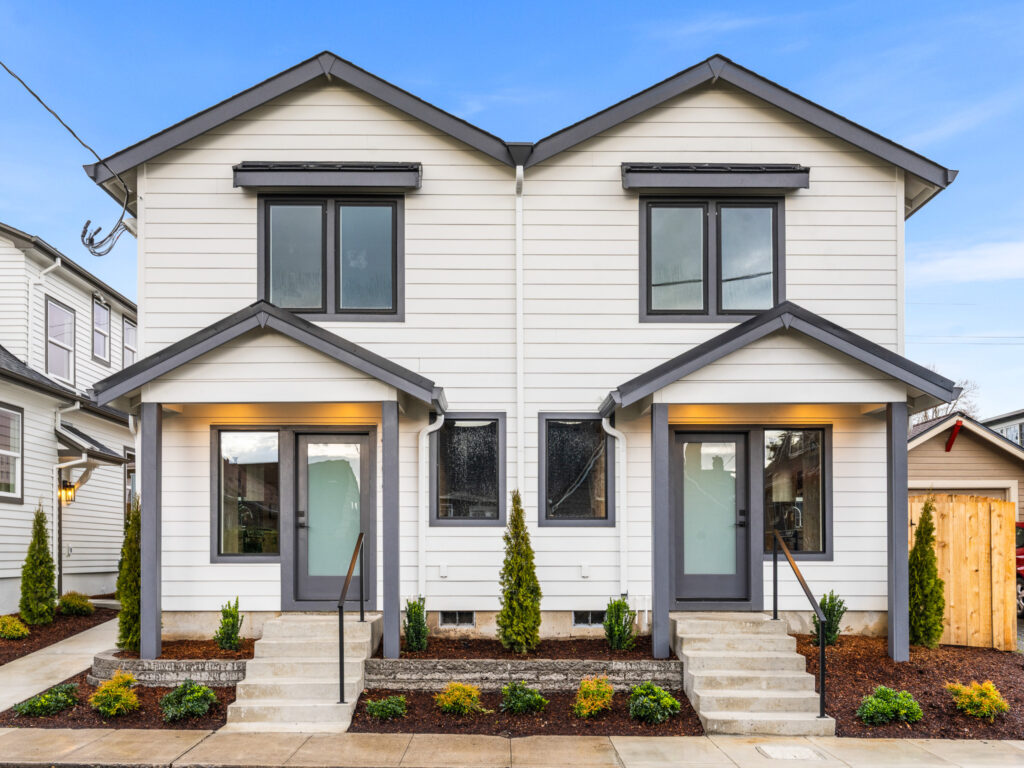
Interior finishing transforms a structural shell into a livable home. Flooring, cabinetry, lighting, paint, and fixtures define the sensory experience of each space. These elements contribute not only to visual appeal but also to long-term durability.
Aker selects materials suited to Portland’s climate and lifestyle. Durable flooring, moisture-resistant finishes, and high-quality fixtures ensure that homes perform well over time.
Quality assurance inspections occur throughout finishing stages. Each trade verifies that installations meet design specifications and municipal standards. These inspections protect both structural integrity and homeowner confidence.
The goal of finishing is not merely aesthetic—it is functional completeness. Every detail contributes to creating a comfortable environment where homeowners can move in with confidence.
Final Inspections and Homebuyer Orientation
Before a newly built home can be occupied, it must pass a series of final inspections. Municipal inspectors verify that structural systems, electrical installations, plumbing networks, and safety features meet building code requirements.
Aker coordinates these inspections carefully to ensure that approvals occur efficiently. Documentation from each review is organized and shared with homeowners so they understand the standards that have been met.
Homebuyer orientation follows inspection approval. During this walkthrough, homeowners learn how to operate mechanical systems, maintain key components, and understand warranty coverage. This step transforms the development process for new construction homes into a personal transition toward ownership.
The orientation stage reinforces Aker’s commitment to transparency. Rather than simply delivering keys, the team ensures homeowners understand how their new residence functions.
Long-Term Value and Community Impact
The development process for new construction homes extends beyond construction completion. The long-term value of a project depends on how well it integrates into the surrounding neighborhood and how effectively it supports the needs of residents.
Infill development plays an important role in cities like Portland, where housing demand continues to grow. By building thoughtfully within existing neighborhoods, developers can increase housing availability without expanding urban sprawl.
Aker’s projects demonstrate how new homes can complement neighborhood character while introducing modern efficiency and livability. Their work reflects a commitment to responsible development that balances growth with respect for community context.
Homes created through disciplined development processes tend to retain value over time because they are designed with both structural integrity and long-term usability in mind.
Conclusion: Understanding the Development Process for New Construction Homes
The journey from vacant land to a completed residence is complex, involving technical expertise, regulatory navigation, and careful planning. Understanding the development process for new construction homes helps buyers appreciate the work that occurs long before they step through the front door.
From land selection and feasibility analysis to construction and final inspections, each stage contributes to the integrity of the finished home. When these steps are coordinated thoughtfully, the result is a property that performs reliably and integrates smoothly into its neighborhood.
Aker’s experience across Portland demonstrates how disciplined development practices transform raw land into livable, enduring homes. Their commitment to planning, craftsmanship, and transparency ensures that homeowners receive not just a house—but a well-considered place to live.
For buyers exploring new construction opportunities in Portland, working with a builder who understands every stage of the development journey can make the difference between uncertainty and confidence. Aker continues to build homes—and trust—through a development process designed for long-term success.
External Links Used in Body
Portland Bureau of Development Services
https://www.portland.gov/bds
U.S. Environmental Protection Agency – Smart Growth
https://www.epa.gov/smartgrowth
Consumer Product Safety Commission
https://www.cpsc.gov
Internal Links
Infill Development
Construction Process
Energy Efficient Homes
Home Maintenance Tips
