

Introduction: Understanding Infill Development Investment in Portland
The Portland real estate market has evolved into one of the most closely watched urban housing environments in the Pacific Northwest. Rising land scarcity, increasing housing demand, and stricter urban planning policies have reshaped how investors evaluate opportunities throughout the city. In this environment, infill development investment in Portland has become an increasingly important strategy for those seeking long-term value rather than short-term speculation.
Unlike suburban expansion projects that rely heavily on outward growth, infill development focuses on maximizing underutilized land within existing neighborhoods. These projects may involve dividing oversized lots, replacing outdated structures, or building additional housing units within already developed urban areas. This approach aligns closely with Portland’s long-term planning goals, which prioritize density, infrastructure efficiency, and sustainable growth.
For investors, the appeal of infill development comes from several interconnected factors. Established neighborhoods already contain transit access, utility infrastructure, schools, retail services, and employment connectivity. These characteristics reduce development uncertainty while supporting stronger long-term housing demand. At the same time, limited urban land availability creates scarcity that can strengthen appreciation potential over time.
Aker Development has positioned itself within this evolving landscape by focusing on carefully planned urban housing projects that align with Portland’s regulatory structure and neighborhood expectations. Rather than approaching infill development as a rapid expansion strategy, Aker Development emphasizes disciplined planning, contextual design, and long-term livability. This philosophy reflects a broader understanding that successful urban investment depends on both financial performance and sustainable integration into the surrounding community.
Why Portland Continues to Attract Real Estate Investors
Portland remains attractive to investors because it combines economic stability with long-term housing demand. Population growth, limited land availability, and continued interest in urban living all contribute to ongoing development opportunities. Even during broader market fluctuations, well-located properties within established neighborhoods often maintain consistent buyer interest due to their accessibility and infrastructure advantages.
Another reason investors continue focusing on Portland is the city’s emphasis on structured urban planning. Unlike markets driven primarily by uncontrolled expansion, Portland’s growth boundaries encourage more strategic land use. This creates an environment where carefully planned development can retain stronger long-term value because supply remains relatively constrained.
Lifestyle trends have also reinforced urban housing demand. Buyers increasingly prioritize walkability, transit access, and proximity to employment centers rather than isolated suburban expansion. According to research from the Urban Land Institute, compact urban development patterns often demonstrate stronger long-term resilience because they align with changing demographic and environmental priorities.
Aker Development incorporates these broader market conditions into its investment approach. Their projects focus on neighborhoods where infrastructure, accessibility, and community integration support long-term housing performance rather than temporary speculative demand. This measured strategy helps reduce volatility while improving long-term project stability.
The Financial Logic Behind Infill Development
Understanding the financial side of infill development investment in Portland requires evaluating more than property acquisition alone. Successful projects depend on how effectively land is utilized within existing urban constraints. Investors who understand zoning conditions, infrastructure access, and neighborhood demand are often better positioned to achieve sustainable returns.
One major advantage of infill development is infrastructure efficiency. Existing roads, utility systems, transit routes, and municipal services reduce the need for large-scale expansion costs commonly associated with suburban developments. These savings can improve long-term project feasibility while also supporting stronger municipal stability.
Scarcity also influences financial performance. Well-located urban parcels become increasingly valuable as developable land diminishes. Unlike suburban growth areas where expansion may continue outward, infill sites within desirable Portland neighborhoods often experience stronger long-term demand because supply opportunities remain limited.
Aker Development evaluates projects through a long-term financial lens that prioritizes sustainability over aggressive speculation. Their planning process includes feasibility analysis, infrastructure evaluation, and regulatory review before development begins. This structured approach helps reduce financial uncertainty while strengthening long-term investment viability.
Land Scarcity and Long-Term Appreciation
Land scarcity remains one of the strongest arguments supporting infill development investment in Portland. Urban growth boundaries limit outward expansion, which increases pressure on existing neighborhoods to accommodate future housing demand. As available lots become more difficult to acquire, strategically located urban parcels naturally increase in value over time.
This scarcity creates a different investment dynamic compared to suburban expansion markets. Infill development opportunities are often tied to redevelopment potential rather than untouched land acquisition. Investors who secure properties within established neighborhoods gain access to locations already supported by mature infrastructure and stable demand patterns.
Appreciation potential is also influenced by neighborhood desirability. Areas with walkability, transit connectivity, and access to amenities typically retain stronger buyer interest regardless of broader economic conditions. These factors contribute to more durable long-term property performance.
Aker Development identifies opportunities based not only on present conditions but also on future neighborhood trajectory. Their site selection process evaluates infrastructure capacity, zoning flexibility, and community context to ensure projects remain relevant as Portland continues evolving.
Risk Factors Investors Should Understand
Although infill development offers strong opportunities, it also carries risks that investors must evaluate carefully. Regulatory complexity remains one of the most significant challenges in Portland’s housing market. Zoning overlays, environmental reviews, setback requirements, and design approval processes can all affect project timelines and costs. Investors often monitor permitting timelines and zoning updates through the Portland Bureau of Development Services to better understand approval requirements and development regulations within the city.
Permitting delays are another common concern. Even well-prepared projects may encounter extended review periods depending on neighborhood conditions or municipal workload. These delays can affect financing schedules, contractor coordination, and overall return projections if not anticipated early.
Construction costs also remain variable. Material pricing fluctuations, labor shortages, and site-specific conditions can influence project feasibility. Urban sites may present additional challenges such as limited access, existing infrastructure complications, or demolition requirements that increase overall complexity.
Aker Development mitigates these risks through extensive pre-development planning and coordination. Their experience working within Portland’s regulatory framework allows them to anticipate challenges before construction begins, helping investors maintain more realistic expectations throughout the process.
Why Sustainability Matters to Investors
Sustainability is no longer viewed as an optional feature within Portland’s housing market. Buyers increasingly expect energy efficiency, durable materials, and environmentally responsible construction practices. Properties that fail to meet these expectations may become less competitive over time.
Efficient homes often perform better financially because they reduce long-term operating costs. Lower utility expenses, durable building systems, and reduced maintenance needs contribute to stronger long-term affordability and resale potential. According to the U.S. Environmental Protection Agency, compact urban development also supports broader environmental goals by reducing transportation dependency and infrastructure strain.
Climate responsiveness is becoming increasingly important as well. Water management systems, insulation performance, and passive energy strategies now influence both livability and long-term resilience. These features improve property durability while also supporting future regulatory compliance.
Aker Development incorporates sustainability into every stage of development planning. Their projects emphasize energy-conscious design, responsible site utilization, and durable construction practices that align with Portland’s long-term environmental priorities.
Neighborhood Integration and Community Acceptance
Infill development succeeds most effectively when projects integrate thoughtfully into existing neighborhoods. Community perception plays a significant role in long-term property performance because neighborhood acceptance influences both desirability and local stability.
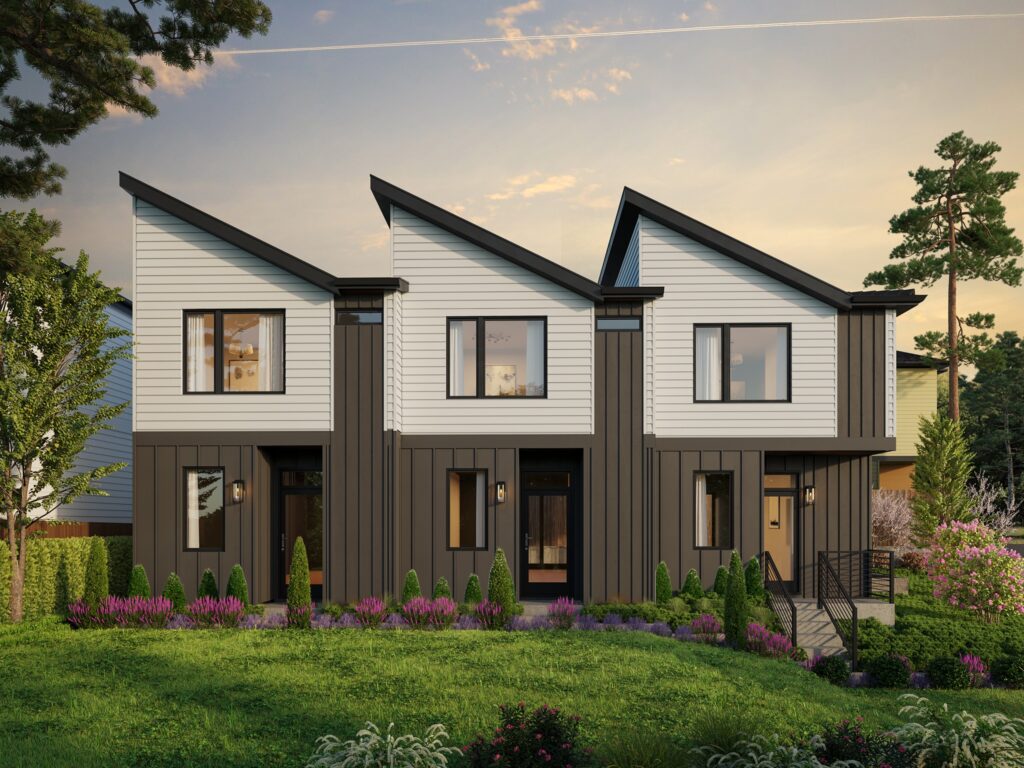
Design compatibility matters greatly in Portland. Homes that acknowledge surrounding architectural character, lot scale, and streetscape patterns tend to integrate more successfully into established areas. Projects perceived as disruptive may encounter stronger resistance during both approval and occupancy phases.
Community engagement also contributes to smoother development outcomes. Transparent communication regarding project timelines, construction activity, and design intent helps reduce friction between developers and residents. These conversations create a more collaborative environment that benefits long-term neighborhood relationships.
Aker Development prioritizes contextual design rather than standardized construction models. Their projects are tailored to reflect neighborhood dynamics while still introducing modern functionality and housing efficiency. This balance strengthens both project performance and community trust.
The Role of Aker Development in Portland Infill Projects
Aker Development operates within Portland’s housing market as both a builder and strategic development partner. Their role extends beyond construction management into feasibility planning, design coordination, regulatory navigation, and long-term project positioning.
Their approach is particularly valuable in Portland’s highly structured development environment. Early-stage planning decisions often determine whether projects move efficiently through permitting and construction phases. Aker Development coordinates these elements carefully to reduce uncertainty and improve execution consistency.
Aker also focuses heavily on long-term livability. Rather than maximizing density without regard for functionality, their projects prioritize layouts, materials, and neighborhood integration that support durable housing performance over time.
Their experience within Portland’s urban landscape allows them to identify opportunities where housing demand, infrastructure support, and community context align effectively. This strategic perspective helps transform complex infill projects into more stable long-term investments.

Comparing Infill Development to Suburban Expansion
Investors often compare infill opportunities with suburban growth projects when evaluating long-term strategies. While suburban developments may offer larger land parcels and lower acquisition costs initially, they frequently require more extensive infrastructure expansion and face longer-term transportation challenges.
Urban infill projects benefit from existing connectivity. Residents located within established neighborhoods often experience shorter commutes, better transit access, and stronger proximity to services. These characteristics increasingly influence buyer demand as lifestyle preferences continue shifting toward convenience and efficiency.
Suburban expansion can also be more vulnerable to infrastructure costs over time. Municipalities must extend roads, utility systems, and emergency services farther outward, increasing long-term maintenance obligations. Infill development uses existing systems more efficiently, contributing to greater urban stability.
Aker Development focuses on infill opportunities because they align more closely with Portland’s future growth direction. Their projects reinforce neighborhood infrastructure while creating housing that reflects changing urban living priorities.
Long-Term Outlook for Infill Development Investment in Portland
The long-term outlook for infill development investment in Portland remains closely tied to housing demand, urban planning priorities, and land scarcity. As available urban parcels continue diminishing, the value of strategically located properties is likely to remain strong.
Future growth will increasingly depend on maximizing existing land rather than expanding outward indefinitely. This shift places greater emphasis on thoughtful density, adaptable housing, and sustainable construction practices. Investors who understand these trends will likely be better positioned to navigate future market conditions.
Technology and construction innovation will also influence future development strategies. Energy systems, modular construction methods, and smart infrastructure integration may improve project efficiency while reducing long-term operational costs.
Aker Development continues adapting its planning and construction processes to align with these broader market trends. Their emphasis on disciplined development, sustainability, and neighborhood-sensitive design reflects a long-term understanding of how Portland’s housing market is evolving.
Conclusion: Is Infill Development a Smart Investment in Portland?
Understanding whether infill development is a smart investment in Portland requires evaluating both opportunity and responsibility. Strong housing demand, limited land supply, and long-term urban planning priorities all support the financial potential of carefully executed infill projects. However, these opportunities succeed most effectively when development decisions are guided by experience, discipline, and neighborhood awareness.
Unlike speculative investment models focused purely on rapid expansion, infill development requires a more strategic perspective. Regulatory complexity, community integration, sustainability standards, and infrastructure considerations all influence project outcomes. Investors who recognize these interconnected factors are often better equipped to create stable long-term value rather than short-term gains alone.
Aker Development approaches infill investment with this broader perspective in mind. Their projects emphasize thoughtful planning, durable construction, contextual design, and long-term livability rather than purely transactional development goals. By aligning financial strategy with responsible urban growth, they help create housing that benefits both investors and the surrounding community.
For investors evaluating Portland’s evolving housing market, infill development continues to represent one of the city’s most resilient long-term opportunities. When supported by careful planning and experienced execution, these projects offer not only financial return but also meaningful contribution to Portland’s future urban landscape.
