



Noise is one of the most underestimated stressors inside a home. Home soundproofing problems are one of the most overlooked design flaws in modern residential construction, quietly affecting comfort, privacy, and long-term well-being. Unlike visible flaws such as cracked walls or outdated finishes, sound issues often go unnoticed during construction and renovation. Yet over time, unwanted noise gradually reshapes how people feel, rest, and interact inside their living spaces. Poor soundproofing at home doesn’t announce itself loudly—it erodes comfort in subtle, persistent ways.
Many homeowners normalize everyday noise without realizing it’s a design failure rather than a lifestyle inconvenience. Footsteps from above, voices traveling between rooms, traffic sounds bleeding indoors, or appliances humming through walls all signal gaps in acoustic planning. These disturbances compound daily stress, interrupt sleep cycles, and reduce the sense of personal space that homes are meant to provide.
Understanding how sound travels—and how insufficient soundproofing impacts health, privacy, and livability—empowers homeowners to make better design decisions. This guide explores the hidden consequences of poor soundproofing and explains why acoustic planning is essential for long-term comfort and well-being.
Home Soundproofing Problems: Why Sound Control Matters More Than You Think
Sound behaves differently than most physical elements in a home. It travels through air, walls, floors, ceilings, and even structural framing. When a house lacks proper acoustic separation, noise moves freely between rooms and floors, creating constant interruptions that affect focus and relaxation.
Poor soundproofing at home often stems from construction shortcuts, thin materials, or outdated layouts that prioritize open space over acoustic balance. While open concepts look appealing, they can amplify echoes and allow noise to spread uncontrollably. This becomes especially problematic in homes where work, rest, and entertainment happen simultaneously.

Beyond annoyance, unmanaged noise influences mental clarity, emotional regulation, and sleep quality. Homes should buffer occupants from the outside world—not magnify it. Sound control is not a luxury feature; it’s a fundamental aspect of livable design.
How Noise Travels Through Residential Structures
Sound doesn’t stop at walls. Vibrations move through studs, joists, ductwork, and even electrical conduits. This means noise generated in one room can reappear unexpectedly in another area of the house.
Impact noise—such as footsteps or dropped objects—travels differently than airborne sound like voices or music. Floors without acoustic underlayment transmit vibration downward, while hollow walls act like resonating chambers. Poor material density worsens the problem, allowing sound waves to bounce and amplify instead of being absorbed.
An additional issue lies in construction gaps. Small openings around outlets, vents, and recessed lighting create pathways for sound leakage. Even well-finished rooms can suffer acoustically if these transition points aren’t sealed or insulated properly.
The Effect of Poor Soundproofing on Sleep Quality
Sleep is one of the first casualties of uncontrolled noise. Bedrooms located near living areas, streets, or mechanical systems often experience constant background disruption. Even low-level sound interferes with deep sleep cycles, reducing restorative rest.
Interrupted sleep leads to daytime fatigue, reduced concentration, and increased irritability. Over time, chronic sleep disturbance has been linked to weakened immune function and heightened stress responses. Poor soundproofing at home quietly undermines health without leaving obvious physical damage.
Another overlooked factor is intermittent noise. Sudden sounds—doors closing, plumbing movement, or appliances cycling—are more disruptive than continuous background noise. These sharp interruptions prevent the body from fully entering restorative sleep phases.
Privacy Loss and Its Psychological Impact
Privacy is essential for emotional well-being. When conversations travel easily between rooms, occupants become more guarded, limiting open communication. This is especially noticeable in shared households, multi-generational homes, and remote work environments.
Poor soundproofing affects more than speech. Phone calls, virtual meetings, and personal moments lose their sense of containment. This lack of acoustic separation creates subconscious tension, as individuals feel constantly overheard.
Over time, diminished privacy reshapes how people use their homes. Rooms become avoided rather than enjoyed, and personal boundaries blur. Soundproofing restores autonomy within shared spaces.
Home Offices and Productivity Challenges
Remote work has permanently changed how homes function. Without proper acoustic separation, home offices struggle to maintain focus and professionalism. Background noise disrupts meetings, recordings, and concentration.
Poor soundproofing at home turns everyday household activity into a productivity barrier. Even quiet sounds—typing, footsteps, HVAC cycling—compound throughout the workday, leading to mental fatigue.
Acoustic planning supports productivity by reducing cognitive load. When sound distractions are minimized, focus improves, communication becomes clearer, and work-life boundaries are easier to maintain.
Family Living and Noise Accumulation
In family homes, noise multiplies quickly. Televisions, toys, appliances, conversations, and movement overlap throughout the day. Without sound control, these layers create constant stimulation that overwhelms the senses.
Children are particularly sensitive to overstimulation. Excessive noise contributes to irritability, reduced attention span, and difficulty winding down. Adults experience similar effects, though often normalized as “background chaos.”
Effective soundproofing allows shared living without constant friction. It supports calmer environments where each activity has its own acoustic space.
External Noise Intrusion from Outside the Home
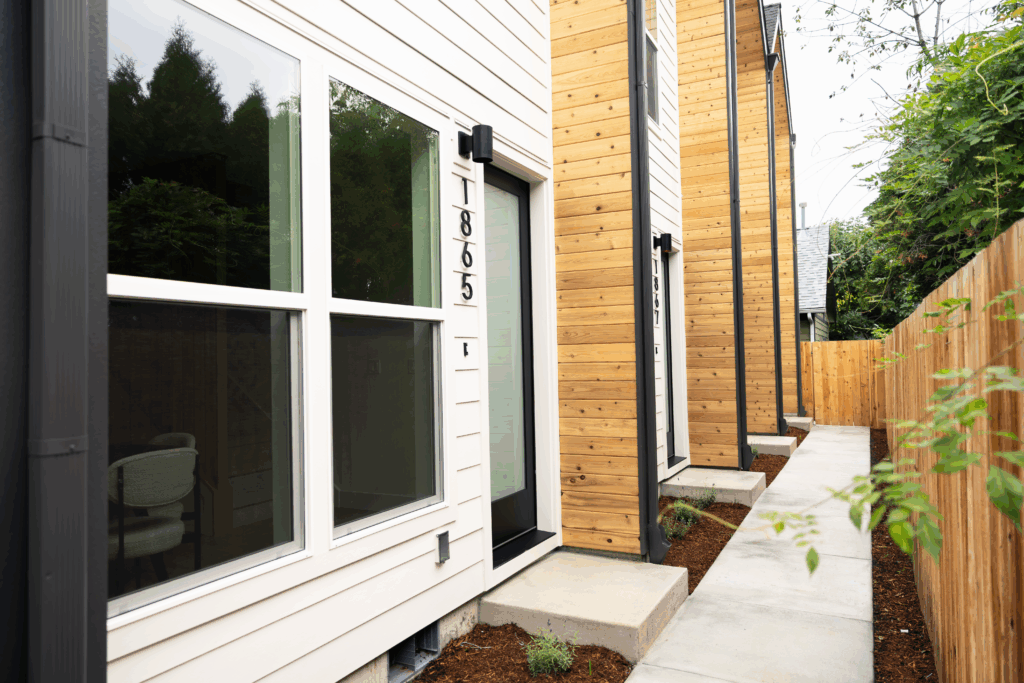
Poor soundproofing doesn’t only affect internal noise—it allows external sounds to invade living spaces. Traffic, neighbors, construction, and environmental noise enter through windows, walls, and roof assemblies.
Homes built without acoustic glazing or sufficient wall insulation struggle to block low-frequency sounds like engines and heavy machinery. Over time, this constant intrusion increases stress and reduces perceived comfort.
According to guidance from the Environmental Protection Agency, long-term noise exposure impacts both physical and mental health. Homeowners can review noise-related health information by visiting:
https://www.epa.gov
Structural Materials and Their Acoustic Role
Material choice significantly influences sound behavior. Lightweight drywall, hollow-core doors, and open framing transmit sound easily. Dense materials absorb vibration and reduce sound transfer. However, many modern homes prioritize cost efficiency over acoustic performance. Thin partitions and shared framing save money during construction but increase noise issues long-term.
Acoustic upgrades don’t always require structural overhaul. Strategic material layering, insulation density improvements, and sealing penetrations can dramatically improve sound control. Beyond walls and doors, overlooked structural components such as ceiling cavities, ductwork, and floor assemblies also shape how sound travels through a home. Sound often bypasses visible barriers by moving through shared joists, ventilation paths, and framing connections, making noise seem unpredictable. Addressing these hidden transmission routes—through resilient channels, acoustic sealants, or isolated framing—helps contain sound where it originates and prevents it from migrating across rooms or floors.
Open-Concept Design and Acoustic Trade-Offs
Open layouts remove physical barriers that naturally block sound. While visually appealing, they amplify echo and reverberation, making spaces louder and less comfortable. Hard surfaces such as tile, glass, and concrete reflect sound rather than absorb it. Without balancing elements, these surfaces create sharp acoustics that fatigue occupants.
Acoustic zoning restores balance. Strategic use of partitions, ceiling treatments, and soft materials preserves openness while controlling sound flow. Furniture placement and spatial flow also influence acoustic performance in open-concept homes. Large uninterrupted spaces allow sound waves to travel farther before dissipating, especially when rooms lack visual or functional separation. Introducing subtle layout breaks—such as shelving units, textured wall features, or partial dividers—can disrupt sound paths without compromising openness, creating quieter zones within shared living areas.
Long-Term Health Effects of Chronic Noise Exposure
Chronic noise exposure elevates cortisol levels, contributing to anxiety and cardiovascular strain. Over time, the body remains in a heightened stress state, reducing resilience and recovery. Children exposed to persistent noise show increased learning difficulties and sleep disruption. Seniors experience heightened sensitivity, impacting rest and communication clarity.
Health authorities such as the Centers for Disease Control and Prevention outline how environmental noise affects wellness. Homeowners can learn more by visiting: https://www.cdc.gov . Noise exposure also interferes with circadian rhythms by disrupting natural sleep cycles, even when individuals believe they have adapted. Low-frequency sounds, such as HVAC hums or distant traffic, can prevent deep restorative sleep stages. Over time, this contributes to daytime fatigue, weakened immune response, and reduced cognitive clarity, reinforcing the importance of addressing residential noise at its source rather than masking it.
How Poor Soundproofing Impacts Home Value
Noise issues influence buyer perception more than many visible flaws. A home that feels loud or lacks privacy immediately registers as uncomfortable, even if finishes are modern. Buyers increasingly seek homes that support flexible living—work, rest, and entertainment. Poor soundproofing at home limits adaptability, reducing market appeal.
Acoustic improvements signal thoughtful design. Homes that feel calm and quiet often command stronger buyer interest and longer-term satisfaction.
In competitive housing markets, buyers often rely on emotional cues during walkthroughs. Excessive noise immediately alters how a space feels, even if it isn’t consciously identified as a defect. Appraisers and inspectors may not always flag sound issues, but buyer hesitation often reflects discomfort tied to acoustics. Homes that feel acoustically controlled create a sense of quality craftsmanship that extends beyond visible finishes.
Retrofitting Soundproofing in Existing Homes
Many homeowners assume soundproofing requires major renovation. In reality, targeted upgrades deliver meaningful improvement without structural disruption.
Adding insulation to walls, sealing air gaps, upgrading doors, and incorporating acoustic panels significantly reduce sound transfer. Floor underlayment also plays a critical role in multi-story homes.
Addressing sound issues early prevents behavioral workarounds—such as avoiding rooms or altering routines—that diminish quality of life.
Soundproofing vs. Sound Treatment: Understanding the Difference
Soundproofing blocks sound movement between spaces. Sound treatment improves how sound behaves within a room. Both are necessary for acoustic balance.
Many homeowners mistakenly apply surface treatments without addressing structural pathways. While rugs and curtains help echo, they don’t stop sound transmission.
A comprehensive approach combines both strategies for optimal comfort and control.
Safety Considerations Linked to Noise Issues
Noise masks warning signals such as alarms, door knocks, and mechanical alerts. Poor acoustic design can delay response during emergencies.
According to the Consumer Product Safety Commission, environmental factors—including noise interference—impact residential safety awareness. Homeowners can explore safety resources here: https://www.cpsc.gov
Quiet environments enhance alertness and response time, improving overall household safety.
Conclusion: Why Soundproofing Is Essential for Livable Homes
Home soundproofing problems don’t create one dramatic failure—it creates hundreds of small disruptions that accumulate over time. Interrupted sleep, reduced privacy, strained communication, and elevated stress quietly reshape how people experience their living spaces.
What makes sound issues particularly damaging is their invisibility. Homeowners often adjust habits instead of addressing the root cause, accepting discomfort as normal. Yet when acoustic balance is restored, the difference is immediate and profound.
Homes should offer refuge, clarity, and control. Thoughtful soundproofing protects health, supports productivity, preserves privacy, and enhances long-term value. When noise is managed correctly, a home finally feels like the peaceful space it was meant to be.
Addressing sound issues is not about eliminating every noise but about restoring balance and control. When residents can choose when to engage with sound—and when to escape it—the home becomes more adaptable to changing needs. Investing in soundproofing is ultimately an investment in daily comfort, emotional well-being, and the long-term functionality of the space.
External Links
- Environmental Protection Agency
- Centers for Disease Control and Prevention
- Consumer Product Safety Commission
