

Why Infill Development Is So Widely Misunderstood
Infill development has become one of the most talked-about — and misunderstood — aspects of modern urban growth. In cities like Portland, where land is limited and housing demand continues to rise, common misconceptions about infill development plays a central role in shaping neighborhoods. Yet despite its growing presence, misconceptions persist about what infill development actually is, how it functions, and what it means for existing communities.
Much of the confusion stems from outdated assumptions. Many people still associate infill development with unchecked density, rushed construction, or disregard for neighborhood character. These narratives often ignore how contemporary infill projects are planned, regulated, and executed — especially when handled by experienced local builders like Aker, who work within Portland’s zoning, design, and community frameworks.
Understanding the truth behind infill development matters. Misconceptions influence public opinion, neighborhood opposition, and even policy decisions. This guide breaks down the most common myths surrounding infill development and explains how thoughtful firms like Aker approach infill as a long-term investment in Portland’s livability, housing stability, and architectural integrity.
Infill Development Always Means Overcrowding
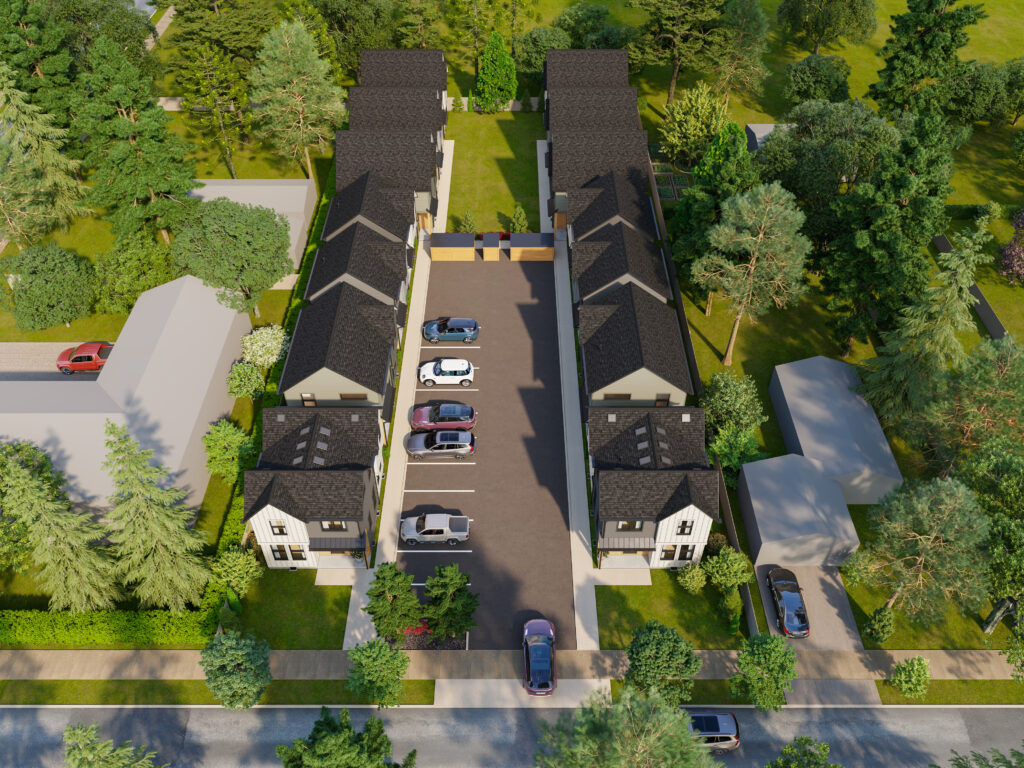
One of the most widespread beliefs is that infill development automatically leads to overcrowded neighborhoods. Many residents fear that adding new housing units will overwhelm streets, schools, and public spaces. While density changes are real, overcrowding is not an inherent outcome of infill development.
In reality, infill projects are tightly regulated by zoning laws, height restrictions, setback requirements, and lot coverage limits. These rules are designed to ensure that new construction fits within the scale and capacity of existing neighborhoods. Infill development often replaces underutilized lots with housing that aligns more efficiently with urban infrastructure rather than expanding outward.
Aker approaches density with intention. Their infill projects prioritize livability, privacy, and spatial balance, ensuring that added housing enhances neighborhood function rather than overwhelming it. Thoughtful spacing, smart layouts, and attention to circulation patterns help maintain a sense of openness even as communities evolve.
Infill Development Ignores Neighborhood Character
Another common misconception about infill development is that it disregards the architectural identity of established neighborhoods. Critics often assume new homes will clash visually with older structures or introduce design elements that feel out of place.
Modern infill development, particularly in Portland, is subject to design review processes that consider massing, materials, rooflines, and streetscape integration. Builders must demonstrate that new structures complement their surroundings rather than dominate them.
Aker places neighborhood context at the center of every infill project. By studying surrounding homes, lot patterns, and architectural rhythms, they design residences that feel intentional rather than intrusive. Their work demonstrates that infill development can respect local character while still meeting modern housing needs.
Infill Homes Are Built Quickly and Poorly
Speed is often mistaken for carelessness. Some believe infill development prioritizes fast turnaround over construction quality. While infill projects can be efficient, that efficiency does not automatically equate to lower standards.
Infill construction often benefits from modern building techniques, updated materials, and refined project management processes. When done correctly, these homes meet or exceed current building codes and performance expectations.
Aker emphasizes craftsmanship and durability in every infill project. Their approach focuses on long-term performance, not short-term gain. By managing timelines carefully and coordinating skilled trades, Aker ensures that efficiency never compromises quality.
Infill Development Only Benefits Developers
A persistent narrative suggests that infill development exists solely to benefit developers, with little consideration for residents or communities. This perspective overlooks the broader economic and social advantages that infill projects can provide.
Infill development increases housing supply in areas with established amenities, reducing pressure on housing prices over time. It also supports local businesses, strengthens tax bases, and improves infrastructure efficiency.
Aker views infill as a shared value proposition. Their projects are designed to benefit homeowners, renters, neighborhoods, and the city as a whole. By focusing on thoughtful placement and long-term use, they help ensure infill development contributes positively beyond the construction phase.
Infill Development Reduces Property Values
Fear of declining property values is a major driver of resistance to infill development. However, research and real-world data consistently show that well-designed infill projects often stabilize or increase nearby home values.
New housing can improve streetscapes, replace deteriorating structures, and signal neighborhood investment. When infill development is done responsibly, it enhances rather than diminishes desirability.
Aker’s infill projects are designed to complement existing homes, not compete with them. Their attention to scale, landscaping, and exterior detailing supports cohesive neighborhoods that maintain long-term value.
Infill Development Is Bad for the Environment
Some assume that infill development harms the environment by increasing density and resource use. In reality, infill is one of the most environmentally responsible forms of development available.
By building within existing neighborhoods, infill reduces urban sprawl, limits vehicle dependence, and makes better use of existing utilities. According to the U.S. Environmental Protection Agency, smart growth strategies like infill development reduce emissions and infrastructure strain.
Aker integrates sustainability into infill projects through efficient layouts, energy-conscious systems, and materials suited to Portland’s climate. Their work reflects how infill development can support environmental goals rather than undermine them.
Infill Development Bypasses Regulations

A frequent misunderstanding is that infill projects receive special treatment or bypass regulations. In truth, infill development is often subject to more scrutiny than large suburban developments.
Projects must comply with zoning codes, building standards, environmental overlays, and neighborhood compatibility requirements. Public notice and review processes are common, ensuring accountability.
Aker’s experience navigating Portland’s regulatory landscape allows them to address compliance proactively. Their planning process anticipates challenges early, preventing delays and maintaining transparency.
For insight into Portland’s development framework, check the City of Portland Bureau of Development Services for public guidance.
Infill Development Creates Traffic Chaos
Traffic concerns often dominate conversations about infill development. Residents worry that new housing will overload streets and parking systems.
In practice, infill development supports walkability, public transit use, and shorter commute distances. Concentrating housing near services reduces overall vehicle miles traveled.
Aker evaluates transportation impacts early in project planning. By aligning development with existing transit access and neighborhood patterns, they help mitigate traffic concerns while supporting urban mobility goals.
Infill Homes Lack Privacy
Smaller lots are often assumed to mean compromised privacy. However, privacy is a design challenge, not a lot-size inevitability.
Modern infill homes use thoughtful window placement, setbacks, landscaping, and interior layouts to preserve personal space. Smart orientation reduces sightlines without sacrificing natural light.
Aker’s infill designs prioritize privacy through architectural strategy rather than isolation. Their homes demonstrate that density and privacy can coexist when design leads the process.
Infill Development Is a Temporary Trend
Some view infill development as a passing response to housing shortages. In reality, infill is a long-term strategy rooted in urban sustainability and responsible growth.
As cities like Portland continue to evolve, infill development will remain essential for balancing housing needs with land availability. It represents a shift toward smarter land use rather than expansion.
Aker’s long-term presence in Portland positions them to adapt infill strategies as neighborhoods change. Their work reflects a commitment to enduring solutions, not short-term trends.
The Role of Aker in Challenging These Misconceptions
Aker’s approach to infill development directly addresses many of the misconceptions outlined above. Their process emphasizes planning, transparency, and community awareness at every stage.
Rather than treating infill as a formula, Aker tailors each project to its site and surroundings. This flexibility allows them to respond to neighborhood concerns while still advancing housing goals.
Through consistent quality and open communication, Aker demonstrates that infill development can be both responsible and respectful.
Beyond individual projects, Aker plays an important role in shaping how infill development is understood across Portland. Their involvement often begins before construction, helping homeowners evaluate whether infill is appropriate for their property, neighborhood, and long-term goals. This advisory role helps prevent poorly planned projects that fuel negative perceptions of infill development.
Aker also bridges the gap between regulatory intent and real-world execution. By translating zoning language, design standards, and permitting requirements into practical decisions, they reduce friction between homeowners and city processes. This clarity helps demonstrate that infill development is not about exploiting loopholes, but about responsibly working within Portland’s urban framework.
Over time, this consistency builds credibility. When neighborhoods repeatedly see infill projects completed thoughtfully, misconceptions begin to fade—not because of marketing, but because outcomes speak louder than assumptions.
Why Education Matters in the Infill Conversation
Misconceptions thrive in the absence of clear information. When residents understand how infill development actually works, conversations shift from fear to possibility.
Builders like Aker play an important role in educating homeowners, neighbors, and buyers. Clear expectations, honest timelines, and transparent design decisions build trust over time.
As Portland continues to grow, informed dialogue will shape better outcomes for everyone.
Education also empowers residents to engage more productively in public discussions about housing. Without clear information, infill debates often become emotionally charged, driven by fear of change rather than facts. When people understand zoning intent, design constraints, and infrastructure realities, conversations shift toward problem-solving instead of opposition.
Public agencies increasingly recognize education as a key component of responsible growth. For example, the U.S. Department of Housing and Urban Development provides resources on housing supply, urban density, and community development that help frame infill within broader affordability and equity goals.
Aker contributes to this educational process by setting realistic expectations early. When homeowners and neighbors understand what infill can—and cannot—do, trust increases and misinformation loses its influence.
Conclusion: Moving Beyond Myths Toward Thoughtful Growth
Common misconceptions about infill development often overshadow its real potential. When approached thoughtfully, infill development strengthens neighborhoods, supports housing stability, and aligns with environmental goals.
Aker’s work in Portland shows how infill can be done with care, integrity, and long-term vision. By challenging outdated assumptions and prioritizing quality, they help redefine what infill development looks like in practice.
If you’re considering an infill project or want to better understand how new housing fits into Portland’s evolving neighborhoods, Aker offers the experience and perspective needed to move forward with confidence.
External Links
- U.S. Environmental Protection Agency – Smart Growth
- City of Portland Bureau of Development Services
- U.S. Department of Housing and Urban Development
