



Buying a home is one of the most significant financial and lifestyle decisions most people will ever make. In Portland’s competitive housing market, buyers are often faced with a fundamental choice early in their search: new construction vs existing homes. Each option offers distinct advantages, tradeoffs, and long-term implications that go far beyond surface-level aesthetics or price.
While some buyers are drawn to the charm and history of older homes, others prioritize the efficiency, predictability, and modern standards of newly built properties. Understanding how these differences play out over time—financially, functionally, and emotionally—is essential to making a confident decision.
Builders like Aker work closely with buyers navigating this decision every day. Through years of experience delivering high-quality new construction across Portland, Aker has seen firsthand how buyer expectations align—or sometimes clash—with reality. This guide breaks down the true pros and cons of new construction vs existing homes, helping buyers evaluate which path best supports their goals, lifestyle, and long-term investment.
Understanding the Core Difference Between New and Existing Homes
At the most basic level, the difference between new construction and existing homes lies in timing and condition. A newly built home has never been occupied, is constructed under current building codes, and often reflects modern living patterns. Existing homes, on the other hand, come with lived-in history, established neighborhoods, and design choices rooted in the era they were built.
This distinction affects everything from maintenance expectations to energy efficiency and customization options. Buyers choosing between new construction vs existing homes are not just selecting a property—they are selecting a framework for how they will live, maintain, and invest in that home over time.
Aker often helps buyers clarify this difference early. Many buyers initially believe the choice is about aesthetics or price alone, only to later realize that operational costs, adaptability, and long-term performance are equally important considerations.
Cost Considerations Beyond the Purchase Price
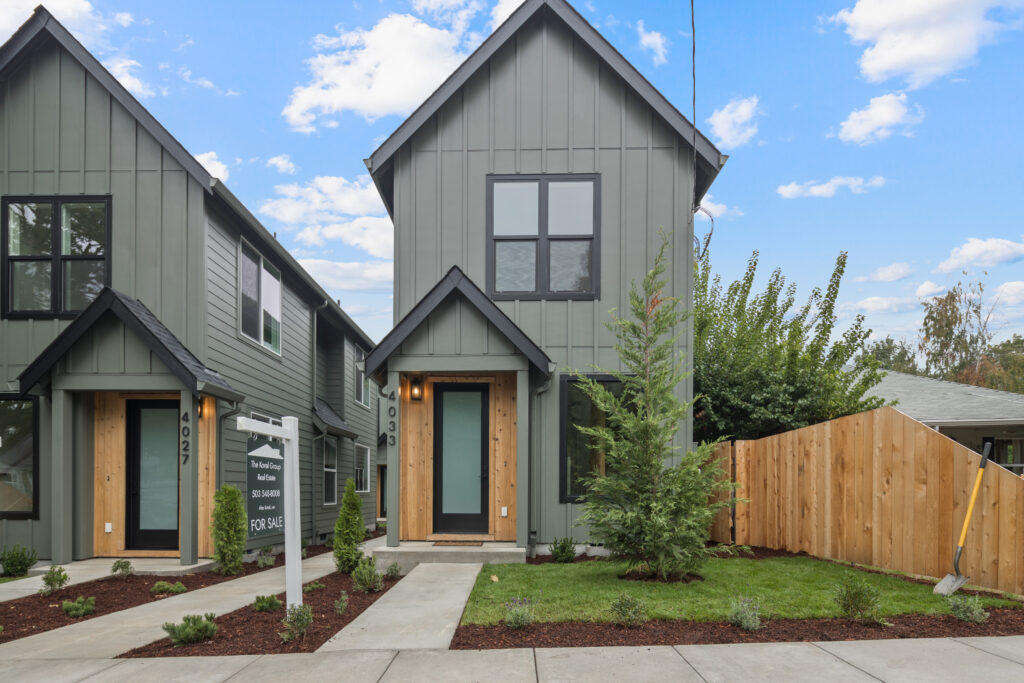
Sticker price is only the beginning when evaluating new construction vs existing homes. While older homes may appear more affordable upfront, they frequently carry hidden costs related to repairs, upgrades, and deferred maintenance. Roofs, plumbing systems, electrical wiring, and insulation in existing homes may be near the end of their service life, requiring immediate or near-term investment.
New construction homes, especially those built by experienced firms like Aker, are designed to minimize unexpected costs in the early years of ownership. Modern materials, updated systems, and new warranties significantly reduce the likelihood of surprise repairs. Over time, this predictability can offset a higher initial purchase price.
Another financial consideration is energy efficiency. New homes typically include better insulation, high-performance windows, and modern HVAC systems. According to the U.S. Department of Energy, newer homes can significantly reduce energy consumption compared to older housing stock. Buyers interested in long-term savings can review efficiency guidance by visiting this page:
Maintenance Expectations and Ongoing Responsibilities
Maintenance is where the contrast between new construction vs existing homes becomes most apparent after move-in. Older homes often require constant attention—patching, replacing, updating, and troubleshooting systems that were installed decades ago. Even well-maintained homes may have outdated infrastructure that no longer meets modern expectations.
Newly built homes shift maintenance from reactive to proactive. Instead of fixing what breaks, homeowners focus on routine care and seasonal checks. Aker provides clear guidance to homeowners on maintenance expectations, helping them protect their investment without being overwhelmed.
Importantly, reduced maintenance is not about avoiding responsibility—it’s about gaining time. For many buyers, especially families and professionals, time is as valuable as money. New construction supports lifestyles that prioritize living over constant upkeep.
Design Flexibility and Modern Living Needs
Modern households require flexibility. Remote work, multi-generational living, and evolving family structures demand adaptable spaces. New construction homes are typically designed with these realities in mind, offering open layouts, flexible rooms, and integrated storage solutions.
Existing homes may struggle to accommodate these needs without major renovations. Load-bearing walls, outdated layouts, and limited ceiling heights can restrict how spaces function. While renovations are possible, they add cost, complexity, and uncertainty.
Aker designs new homes to evolve with buyers over time. Whether it’s a space that transitions from a home office to a nursery, or layouts that support aging in place, adaptability is built into the structure—not forced later through remodeling.
Permits, Codes, and Compliance in Portland
One of the least understood aspects of buying a home is how building codes and regulations affect long-term safety and livability. New construction homes must comply with current Portland building codes, zoning requirements, and environmental regulations. This ensures higher safety standards, improved resilience, and better performance.
Existing homes were built under older codes, many of which have since changed significantly. While older homes may be grandfathered in, upgrades or renovations often trigger costly compliance requirements.
Aker’s experience working within Portland’s permitting framework allows buyers to move forward with confidence. Their understanding of regulatory processes reduces delays and ensures homes meet or exceed modern standards from day one.
Inspections: Why New Homes Still Need Them
A common misconception among buyers is that inspections are unnecessary for new construction. In reality, inspections play a critical role in protecting buyers regardless of a home’s age.
Independent inspections verify workmanship, identify installation issues, and confirm that systems function as intended. They provide peace of mind—not because builders are careless, but because complexity demands oversight.
Aker actively supports third-party inspections and treats them as part of responsible construction practice. This transparency builds trust and reinforces buyer confidence throughout the process.
Safety Standards and Risk Awareness
Safety is one of the strongest advantages of new construction vs existing homes. Modern homes incorporate updated fire protection, improved stair design, better lighting standards, and safer ventilation systems. These features significantly reduce household risks.
According to the Consumer Product Safety Commission, residential design plays a major role in preventing injuries and accidents. Buyers can explore safety recommendations by visiting this page.
Aker integrates safety considerations into planning and layout decisions from the earliest design stages, ensuring that protection is embedded rather than retrofitted.
Financing Differences Buyers Should Understand
Financing new construction differs from purchasing an existing home. Buyers may encounter longer timelines, rate locks, staged payments, or construction-specific loan structures. These differences can feel intimidating without proper guidance.
Aker works closely with buyers and lenders to align financing schedules with construction milestones. This coordination reduces stress and prevents surprises, particularly in markets where interest rates fluctuate.
Understanding financing structures early helps buyers choose the option—new or existing—that best fits their financial comfort zone and risk tolerance.
Environmental Responsibility and Urban Growth
New construction plays a critical role in shaping Portland’s environmental future. Thoughtful infill development reduces urban sprawl, supports walkability, and makes better use of existing infrastructure.
Buyers interested in sustainable growth can reference the City of Portland’s development resources for broader context:
Aker aligns new construction projects with responsible growth principles, balancing density with livability and environmental performance.
Customization Opportunities: Building a Home Around Your Life
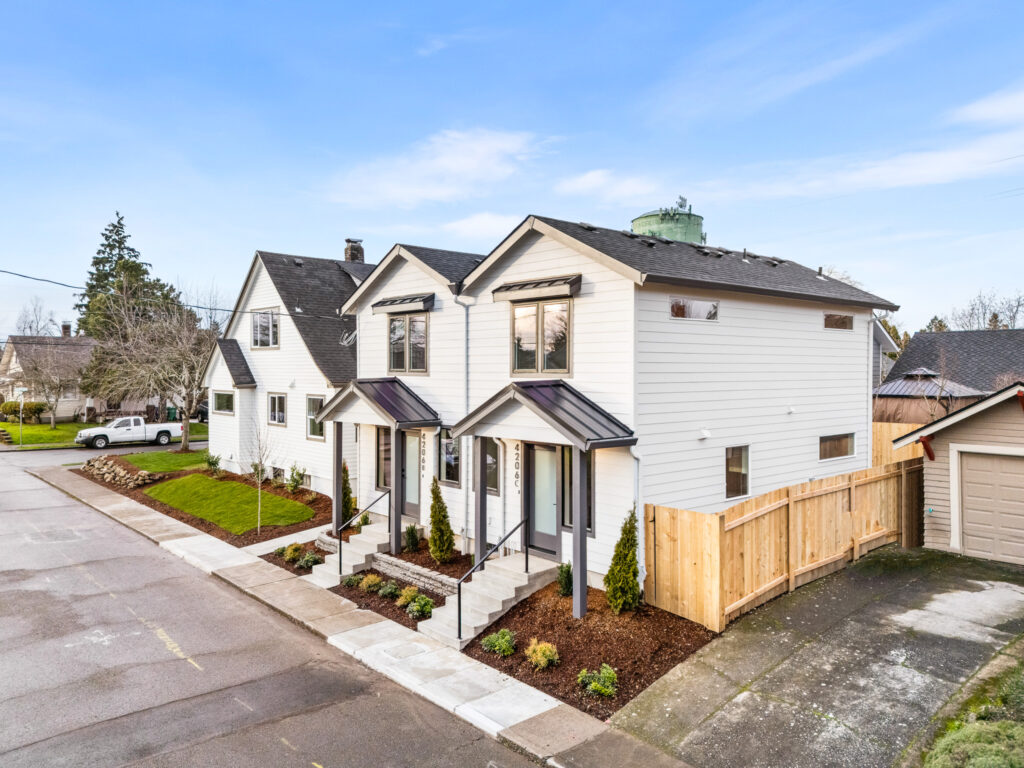
One of the most meaningful advantages of new construction is the opportunity to shape the home around how you actually live. While existing homes offer fixed layouts and finishes, newly built homes allow buyers to influence key decisions before move-in. Even limited customization—such as cabinetry styles, flooring materials, lighting placement, or storage solutions—can significantly impact daily comfort and usability.
Aker approaches customization with balance. Instead of overwhelming buyers with endless options, they guide decision-making toward elements that truly affect long-term livability. Buyers are encouraged to focus on choices that enhance function, durability, and adaptability rather than short-lived trends. This approach leads to homes that feel personal without becoming dated or difficult to maintain.
Customization also supports future flexibility. Thoughtful layout decisions—such as wider doorways, adaptable rooms, or additional storage—allow homes to evolve as needs change. Rather than forcing homeowners to renovate later, new construction anticipates change from the beginning.
Existing Homes and the Reality of Renovation
Many buyers consider existing homes with the expectation that renovations will address shortcomings. While renovations can improve appearance, they often uncover deeper issues once walls are opened. Electrical systems may need upgrading, plumbing may be undersized, or structural adjustments may be required to support modern layouts.
Renovations also introduce uncertainty. Timelines shift, budgets expand, and living conditions become temporarily disruptive. For buyers planning to move in quickly or avoid construction stress, this reality can be frustrating.
Aker often works with buyers who initially considered renovation but later realized that new construction offered clearer timelines and fewer unknowns. Building new eliminates the guesswork and allows buyers to start with systems designed to work together rather than retrofitted into older frameworks.
Energy Efficiency and Utility Cost Differences
Energy performance is one of the most measurable distinctions between new construction vs existing homes. New homes are built with advanced insulation methods, sealed building envelopes, efficient heating and cooling systems, and modern windows that dramatically reduce energy loss.
Older homes, even when upgraded, often struggle to match this performance due to legacy construction methods. Gaps in insulation, thermal bridging, and outdated mechanical systems increase utility costs year after year.
According to energy performance data from the U.S. Department of Energy, newer homes typically consume significantly less energy per square foot. Buyers interested in understanding how efficiency impacts long-term ownership costs can explore federal resources.
Aker prioritizes efficiency not just for sustainability, but for predictability. Lower, more stable utility bills support financial planning and reduce long-term cost volatility for homeowners.
Technology Integration and Smart Living
Modern homes increasingly rely on integrated technology. From smart thermostats and lighting to security systems and energy monitoring, new construction supports seamless tech adoption.
Existing homes often require retrofitting to accommodate smart systems, which can involve additional wiring, compatibility issues, and added expense. New construction allows infrastructure to be planned in advance, eliminating patchwork solutions.
Aker designs homes that support both current and emerging technologies without locking buyers into rigid systems. This future-ready approach ensures homes remain relevant as technology evolves.
Insurance Considerations for Buyers
Insurance costs differ between new construction and existing homes. New homes often qualify for lower premiums due to updated materials, fire-resistant construction, and modern safety features. Older homes may face higher rates because of aging systems or increased risk profiles.
Buyers should consult insurance providers early in the process to understand coverage implications. New construction typically offers clearer underwriting pathways, while older homes may require additional inspections or exclusions.
Aker helps buyers anticipate these considerations, preventing unexpected costs after closing.
Resale Value and Market Perception
Market perception plays a critical role in long-term investment value. New construction homes often attract buyers seeking efficiency, modern layouts, and reduced maintenance. Existing homes may appeal to buyers looking for character, but condition and system age heavily influence value.
Homes built with adaptability in mind—flexible spaces, neutral finishes, and efficient systems—tend to perform well in resale markets. Aker builds with future buyers in mind, even when working closely with current homeowners.
This forward-looking approach protects resale value while supporting current living needs.
Final Comparison: Which Option Fits You Best?
Choosing between new construction vs existing homes is not about right or wrong—it’s about alignment. Buyers prioritizing predictability, efficiency, and customization often lean toward new construction. Those drawn to history and established environments may prefer existing homes.
Aker supports buyers on either path by providing clarity, expertise, and honest guidance. Their experience across Portland’s evolving housing landscape allows them to help buyers choose confidently.
Conclusion: Making an Informed Choice with Confidence
Buying a home is more than a transaction—it’s a commitment to a lifestyle, a neighborhood, and a long-term investment. The decision between new construction vs existing homes shapes not just how a home looks, but how it performs, adapts, and supports daily life over time.
New construction offers clarity, efficiency, and modern standards. Existing homes provide character and familiarity but often require compromise and investment. Understanding these tradeoffs empowers buyers to move forward with confidence rather than uncertainty.
Aker stands at the intersection of experience and integrity. Their work reflects a deep understanding of Portland’s housing needs, regulatory landscape, and community values. Whether you’re considering new construction or evaluating your options, partnering with a builder who prioritizes transparency, quality, and long-term performance makes all the difference.
If you’re exploring the possibility of a newly built home in Portland, Aker is ready to guide you through every step—from decision-making to move-in and beyond.
External Links
Consumer Product Safety Commission
City of Portland Development Services
Internal Links
Construction Process
Home Maintenance Tips
Energy Efficient Homes
Smart Home Features
