


Urban construction is never simple.
Unlike suburban or rural development, building within a dense city environment introduces layers of complexity that influence everything from design and permitting to logistics, safety, and long-term livability. Limited space, aging infrastructure, strict regulations, and community expectations all converge to create a construction landscape that demands precision rather than speed.
For builders without deep local experience, these conditions often lead to delays, unexpected costs, and strained neighborhood relationships. Urban projects leave very little margin for error. Every decision—no matter how small—can ripple outward into scheduling conflicts, regulatory complications, or structural limitations that are far more difficult to correct once construction begins.
This is where experienced urban builders make the difference. At Aker, urban construction is not treated as a generic building exercise. It is approached as a carefully coordinated process shaped by Portland’s regulations, neighborhoods, and long-term planning goals. By understanding the most common urban construction challenges—and designing solutions before breaking ground—Aker transforms complexity into clarity for homeowners and communities alike.
Navigating Limited Space and Tight Lot Constraints
Space is the defining constraint of urban construction.
Unlike open suburban parcels, city lots demand efficient use of every square foot. Setbacks, height limits, access requirements, and neighboring structures all influence what can realistically be built. Without thoughtful planning, projects can quickly become compromised by awkward layouts or unusable exterior space.
Designing within tight boundaries requires creativity supported by technical expertise.
Builders must consider vertical expansion, daylight access, structural loading, and circulation flow simultaneously. Aker works closely with architects who specialize in compact urban design, ensuring that homes feel open and functional even when built on constrained footprints. This collaboration transforms restrictive lots into highly livable environments rather than compromised structures.
Strategic planning also protects long-term usability. Thoughtful placement of windows, storage, and shared spaces allows homes to remain adaptable as household needs change. Instead of forcing residents to renovate later, well-designed urban homes anticipate future flexibility from the beginning.
Permitting, Zoning, and Regulatory Complexity
One of the most significant urban construction challenges is regulatory navigation.
City permitting processes involve zoning overlays, environmental reviews, infrastructure coordination, and public compliance requirements. These layers exist to protect neighborhoods—but they also create lengthy approval timelines that inexperienced builders often underestimate.
Permitting delays rarely stem from inefficiency alone. They reflect the city’s responsibility to balance growth with livability, safety, and environmental stewardship. Builders who understand this framework can prepare accurate documentation, anticipate review concerns, and avoid costly redesigns during approval stages.
Aker’s experience within Portland’s regulatory environment allows projects to move forward with fewer disruptions. By coordinating early with planners, engineers, and permitting officials, Aker reduces uncertainty and keeps construction timelines aligned with homeowner expectations.
Construction Logistics in Dense Neighborhoods
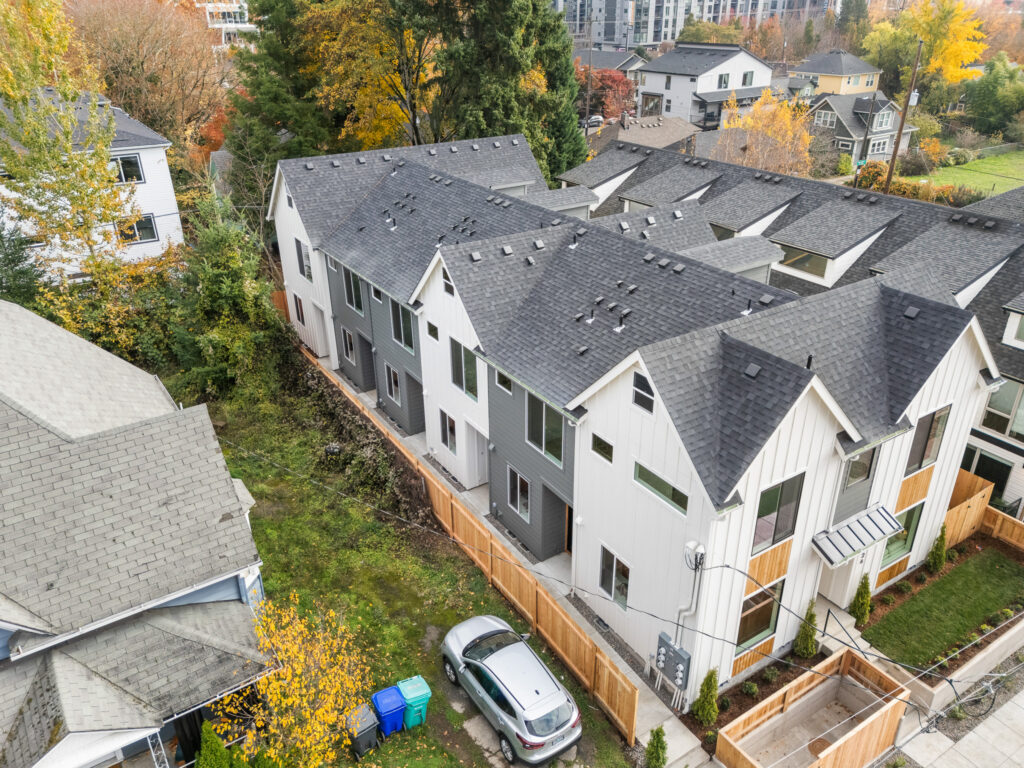
Urban job sites operate under logistical pressure. Material deliveries, equipment access, noise restrictions, and worker safety must all be managed within limited street space and active residential surroundings. Unlike isolated construction zones, urban sites remain visible and impactful to neighbors every day.
Careful scheduling becomes essential. Aker sequences deliveries, coordinates subcontractors, and maintains clean, organized sites to minimize disruption. This level of coordination protects both construction efficiency and neighborhood relationships—two factors that directly influence project success.
Respect for surrounding residents is equally important. Transparent communication, predictable work hours, and thoughtful site management help ensure construction feels controlled rather than intrusive. These practices reinforce trust between builders and the communities they serve.
Integrating New Structures with Existing Infrastructure
Cities evolve over decades, meaning new construction must interact with infrastructure built in different eras. Water lines, sewer systems, electrical capacity, and stormwater management all influence how new homes connect to existing networks. Misalignment can lead to costly upgrades or performance limitations.
Infrastructure coordination therefore begins long before construction.
Aker evaluates utility access, service capacity, and long-term reliability during early planning phases. Identifying limitations early prevents expensive corrections later and ensures new homes function seamlessly within the broader urban system.
This foresight also supports resilience. Homes built with infrastructure awareness are better prepared for future population growth, climate pressures, and evolving municipal standards.
Community Expectations and Neighborhood Character
Urban construction is never purely technical—it is also social.
Neighbors care deeply about how new development affects privacy, sunlight, parking, and architectural consistency. Ignoring these concerns can create long-term tension even after construction ends.
Successful urban builders listen before they build. Aker prioritizes transparency, communication, and contextual design that respects surrounding homes rather than overpowering them. This approach transforms potential resistance into collaboration.
Thoughtful neighborhood integration strengthens long-term value. Homes that feel connected to their surroundings maintain stronger community acceptance and market appeal over time.
Environmental Responsibility in Urban Development
Sustainability is inseparable from modern city construction. Urban density increases the importance of energy efficiency, stormwater control, and reduced environmental impact. Responsible development must balance housing demand with ecological stewardship.
Guidance from the U.S. Environmental Protection Agency highlights how smart urban growth reduces emissions and land consumption.
Aker incorporates efficient materials, high-performance systems, and thoughtful site planning to align urban construction with Portland’s environmental priorities.
These strategies benefit not only individual homeowners but the broader urban ecosystem.
Safety Management in Constrained Construction Sites
Safety becomes more complex when space is limited. Urban construction must protect workers, neighbors, pedestrians, and adjacent structures simultaneously. Tight access points and shared boundaries increase risk if not carefully managed.
Professional safety planning reduces these risks. Aker implements structured site controls, equipment protocols, and daily coordination to maintain secure working environments. These practices prevent accidents and reinforce accountability.
Residential safety considerations extend beyond construction itself. According to the Consumer Product Safety Commission, thoughtful residential design plays a major role in preventing household injuries.
Cost Control and Financial Predictability
Urban projects often face budget volatility. Unexpected soil conditions, permitting delays, or infrastructure upgrades can increase costs if not anticipated early. Transparent planning is essential to maintaining financial stability.
Another critical factor in maintaining financial predictability is early coordination with city review agencies. Understanding approval pathways, documentation requirements, and inspection sequencing can significantly reduce costly delays. Homeowners who want to better understand how permitting and review timelines influence construction budgeting can explore guidance directly from Portland’s Bureau of Development Services. Access to this information helps align expectations between regulatory processes and real-world construction schedules.
Material selection also plays a subtle but meaningful role in long-term cost control. Choosing durable, climate-appropriate finishes may require slightly higher upfront investment, yet it often prevents premature repairs and maintenance expenses. Aker evaluates lifecycle performance rather than short-term savings, ensuring that construction decisions support financial stability well beyond the completion date.
Clear communication throughout construction further protects project budgets. Regular updates, transparent change-order discussions, and proactive scheduling adjustments allow homeowners to make informed decisions before costs escalate. This collaborative approach transforms budgeting from a reactive exercise into a structured, confidence-building process.
Aker emphasizes realistic budgeting from the start. Detailed pre-construction analysis identifies risks before they become expenses, helping homeowners avoid surprises during building.
Financial clarity strengthens trust. When buyers understand where resources are allocated—and why—they can move forward with confidence rather than uncertainty.
The Role of Experience in Solving Urban Construction Challenges
Experience cannot be substituted in urban construction. Each city has unique codes, soil conditions, infrastructure systems, and neighborhood dynamics. Builders without local knowledge often learn these realities through costly mistakes.
Local experience also strengthens relationships with consultants, inspectors, and permitting officials—connections that streamline coordination and reduce uncertainty during critical project phases. Familiarity with review expectations and documentation standards enables smoother communication, allowing construction momentum to continue even when regulatory requirements are complex.
Beyond technical knowledge, experience shapes decision-making under pressure. Urban construction frequently presents unexpected site conditions or logistical constraints that require rapid yet thoughtful responses. Builders who have encountered similar challenges before can evaluate options quickly, balancing cost, safety, and long-term performance without compromising project integrity.
Experience ultimately provides reassurance for homeowners navigating an unfamiliar process. Knowing that a builder has successfully guided projects through Portland’s dense regulatory and physical environment creates confidence that challenges will be addressed methodically rather than reactively. This stability allows clients to focus less on uncertainty and more on the excitement of creating a lasting place to live.
Aker’s long-term presence in Portland provides practical understanding that guides every project phase.
From permitting strategy to construction sequencing, this experience transforms complexity into a manageable, predictable process.
Urban construction succeeds when foresight replaces reaction. Preparation, communication, and technical precision define outcomes far more than speed alone.

Conclusion: Turning Complexity into Opportunity
Urban construction will always involve obstacles. Limited land, strict regulations, community expectations, and infrastructure coordination create a landscape that demands patience and expertise. These urban construction challenges cannot be eliminated—but they can be solved through thoughtful planning and disciplined execution.
The difference lies in approach. Builders who treat urban construction as routine often struggle with delays, miscommunication, and escalating costs. Those who understand the city’s rhythms can guide projects smoothly from concept to completion.
Aker’s work reflects this deeper understanding. By aligning technical precision with neighborhood respect and long-term livability, Aker transforms dense urban constraints into meaningful housing opportunities. The result is not just successful construction—but homes that strengthen Portland’s communities for years to come.
If you are planning an urban project, partnering with a builder who understands both the technical and human dimensions of city construction makes all the difference. Aker is committed to building homes—and trust—that endure.
External Links
U.S. Environmental Protection Agency
Consumer Product Safety Commission
City of Portland Development Services
Internal Links
Construction Process
Infill Development
Home Maintenance Tips
Energy Efficient Homes/
