



Infill development in Portland continues to redefine how the city grows. As available land becomes increasingly scarce and housing demand intensifies, the ability to identify and transform underutilized lots within established neighborhoods has become essential. Yet not every parcel is equally suited for infill. The success of a project often depends less on ambition and more on the specific qualities of the lot itself.
Understanding what makes a lot ideal for infill development in Portland requires more than a quick glance at square footage or neighborhood popularity. Regulatory overlays, infrastructure capacity, environmental factors, and community context all influence feasibility. What appears promising at first glance may present complex limitations beneath the surface.
At Aker, lot evaluation is never rushed. It is a structured, multi-layered process that blends regulatory knowledge, technical analysis, and neighborhood sensitivity. By identifying strengths and constraints early, Aker ensures that infill development projects begin with clarity rather than uncertainty.
Zoning and Land Use Compatibility
Zoning is the foundation of successful infill development in Portland. Every lot exists within a specific regulatory framework that determines allowable density, building height, setbacks, lot coverage, and permitted uses. These parameters shape what can realistically be built and how it integrates into the surrounding area.
Portland’s residential zoning categories—such as R2.5, R5, and RM—each allow varying housing types. Some support duplexes or cottage clusters, while others restrict additional units. Overlay zones may introduce design review requirements, environmental protections, or historic preservation considerations. Understanding these layers is essential before committing to design or acquisition.
Homeowners and developers can review detailed zoning and permitting requirements directly through the Portland Bureau of Development Services.
Aker begins every infill feasibility study by reviewing zoning maps, overlay restrictions, and potential density allowances. This proactive strategy reduces mid-project redesigns and shortens approval timelines.
Beyond baseline zoning, future policy shifts also matter. Portland’s Residential Infill Project has already reshaped housing allowances in many neighborhoods. Aker monitors these changes closely, helping clients anticipate regulatory evolution and capitalize on opportunities responsibly.
Lot Size and Dimensions
Lot size is only the beginning; proportion and buildable envelope are equally important. A wide, shallow lot may offer easier façade design but limited backyard depth. A narrow, deep parcel may constrain natural light but provide flexibility for accessory units.
Setbacks and easements often reduce practical buildable area. Aker conducts detailed envelope mapping before conceptual design begins, ensuring clients understand realistic footprint potential. This clarity prevents frustration later in the process.
Proportional balance affects livability. Adequate separation between structures preserves privacy, daylight access, and outdoor usability. Thoughtful massing can compensate for tighter dimensions, but severely constrained lots may limit design flexibility.
Additionally, circulation requirements—driveways, pedestrian access, and service connections—consume space that must be accounted for early. Ideal infill lots accommodate these functional needs without sacrificing interior quality.
Aker’s experience designing within compact urban parcels allows them to identify which lots offer true opportunity versus those that appear larger on paper than they function in reality.
Access and Street Frontage
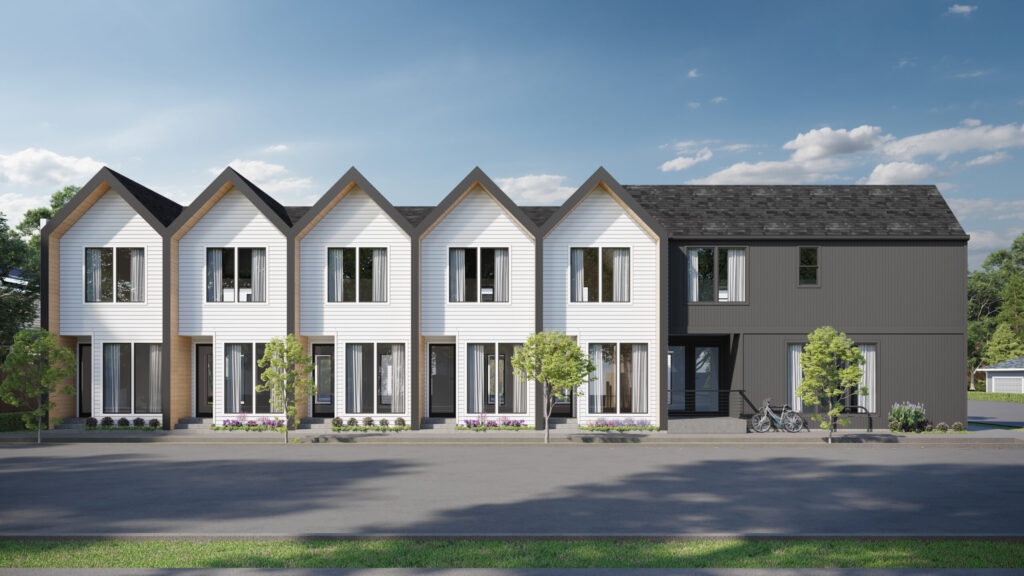
Access determines both construction feasibility and long-term usability. Lots with direct street frontage and clear entry points reduce logistical challenges during building and improve occupant convenience afterward.
Corner lots often provide enhanced design flexibility due to dual frontage. They allow more natural light and improved architectural expression, though traffic exposure must be evaluated carefully.
Flag lots and landlocked parcels introduce complexity. Shared driveways, limited staging areas, and constrained emergency access increase coordination demands. Aker evaluates these access conditions thoroughly before recommending development.
Construction logistics rely heavily on entry conditions. Material deliveries, equipment placement, and worker safety depend on clear access strategies. Urban sites that lack practical staging zones often require more detailed sequencing.
Street orientation also influences market appeal. Homes positioned on walkable, tree-lined streets typically attract stronger long-term demand.
Infrastructure Capacity and Utility Connections
A lot that appears physically suitable for infill development in Portland may still face hidden limitations beneath the surface. Infrastructure readiness often determines whether a project moves forward smoothly or becomes delayed by unexpected upgrades. Water service lines, sewer capacity, stormwater management systems, and electrical supply must all be evaluated with precision before design begins.
In many established Portland neighborhoods, infrastructure systems were designed decades ago for lower-density residential use. Adding additional units or increasing building intensity can strain those systems. Sewer lateral upgrades, new water meter installations, or transformer capacity adjustments may be required. Without early verification, these items can significantly affect both timeline and budget.
Aker approaches infrastructure evaluation methodically. Rather than waiting for city review to reveal constraints, they initiate early coordination with engineers and municipal agencies. This includes verifying service sizes, reviewing as-built utility maps, and confirming stormwater discharge requirements. This proactive process prevents mid-project redesigns and preserves financial predictability.
Stormwater management deserves particular attention in Portland’s climate. Frequent rainfall requires responsible on-site drainage planning. Impervious surface calculations, infiltration systems, and detention requirements often shape lot layout. Aker incorporates these elements into site design early, ensuring compliance without sacrificing architectural quality.
Utility access also affects construction sequencing. Limited space for trenching or tie-ins can slow progress if not anticipated. Aker’s experience navigating tight urban corridors ensures service installation occurs efficiently without compromising safety.
Homeowners interested in understanding local development standards can review municipal requirements through the Portland Bureau of Development Services.
An ideal infill lot is one where infrastructure capacity aligns with development goals. When utilities support density without major off-site improvements, timelines shorten and costs stabilize. Aker’s infrastructure-first evaluation ensures every infill project begins on stable operational footing.
Topography and Soil Conditions
The physical terrain of a lot significantly shapes infill development in Portland. While flat parcels are often perceived as ideal, slope and soil composition can introduce both opportunity and complexity. Topography influences foundation design, drainage patterns, excavation needs, and structural engineering strategy.
Steep lots require reinforced foundations, retaining systems, and specialized excavation sequencing. However, they may also provide elevated views and creative architectural possibilities. Split-level layouts, daylight basements, and stepped massing can transform a sloped constraint into a design advantage when handled skillfully.
Soil composition plays an equally critical role. Portland’s varied geological conditions include clay-heavy soils, silty deposits, and occasional high groundwater levels. Without geotechnical testing, builders risk encountering unstable bearing conditions or excessive moisture infiltration.
Aker integrates geotechnical investigation into early feasibility analysis. Soil reports guide foundation selection, from conventional spread footings to reinforced slab-on-grade systems. This scientific approach prevents structural compromise and reduces long-term maintenance risk.
Drainage is closely tied to topography. Improper grading can direct water toward structures or neighboring properties, leading to erosion and foundation stress. Ideal infill lots allow for controlled runoff and manageable slope transitions.
Even subtle elevation differences impact accessibility. ADA considerations, entry transitions, and driveway gradients all rely on terrain conditions. Aker evaluates these practical factors to ensure the finished home functions seamlessly.
An ideal lot is not necessarily the flattest—but the one whose terrain supports efficient, predictable engineering. Aker’s experience allows them to distinguish between manageable slope challenges and costly structural obstacles.
Neighborhood Compatibility and Context
Infill development in Portland exists within living communities, not isolated parcels. The success of a project depends on how thoughtfully it integrates into the surrounding neighborhood fabric. Scale, rhythm, and material expression all influence perception.
Portland neighborhoods often feature a mix of architectural styles—Craftsman bungalows, mid-century homes, contemporary rebuilds. A successful infill project does not replicate the past, but it respects proportional relationships. Roof heights, façade articulation, and setback alignment all contribute to contextual harmony.
Aker prioritizes compatibility without sacrificing innovation. Rather than imposing generic designs, they study neighborhood patterns and respond deliberately. Window placement considers privacy. Massing respects adjacent sightlines. Exterior materials reflect regional sensibilities.
Community perception also influences project approval. Transparent communication and thoughtful design reduce resistance during review phases. When infill development enhances rather than disrupts, it strengthens neighborhood identity.
Context extends beyond visual design. Traffic patterns, pedestrian flow, and shared infrastructure must also be considered. Ideal lots support density without overwhelming existing circulation.
Aker’s reputation in Portland stems from this balanced approach—growth without disregard. Infill succeeds when development feels additive, not intrusive.
Environmental Considerations and Tree Preservation
Environmental responsibility plays a defining role in infill development in Portland. Tree canopy regulations, stormwater requirements, and ecological overlays shape both feasibility and design.
Tree preservation rules may limit buildable area or require mitigation plantings. Mature trees contribute to neighborhood character and environmental health, making careful site planning essential. Aker consults arborists early to determine preservation strategies that balance compliance with build potential.
Urban infill supports sustainability by reducing sprawl. Compact development lowers vehicle miles traveled and strengthened access to transit and services. According to the U.S. Environmental Protection Agency’s Smart Growth principles, infill development promotes environmental efficiency and reduced emissions.
Solar orientation also affects performance. Ideal lots allow for thoughtful daylight exposure, improving passive heating potential and reducing energy consumption.
Stormwater infiltration systems protect waterways by minimizing runoff impact. Portland’s climate makes responsible drainage essential for ecological resilience.
Aker incorporates sustainability strategies into site design, not as afterthoughts but as foundational principles. Environmental awareness enhances both compliance and long-term value.
Market Demand and Long-Term Value
Not every lot positioned within Portland automatically translates into strong market performance. Proximity to amenities, schools, transit, and employment centers strongly influences resale value.
Walkability has become a defining factor in buyer preference. Infill development in Portland thrives in neighborhoods where daily necessities are accessible without reliance on cars.
Housing policy experts at the U.S. Department of Housing and Urban Development emphasize how compact urban housing supports economic resilience and community vitality where buyers can also explore federal housing insights.
Long-term adaptability also matters. Ideal infill lots support flexible floor plans, accessory dwelling potential, and future expansion where zoning allows.
Aker evaluates not just present demand but forward-looking trends. Demographic shifts, evolving family structures, and hybrid work lifestyles influence design decisions.
Strong resale value is rarely accidental—it results from deliberate lot selection aligned with enduring urban preferences.
Aker’s Site Evaluation Process
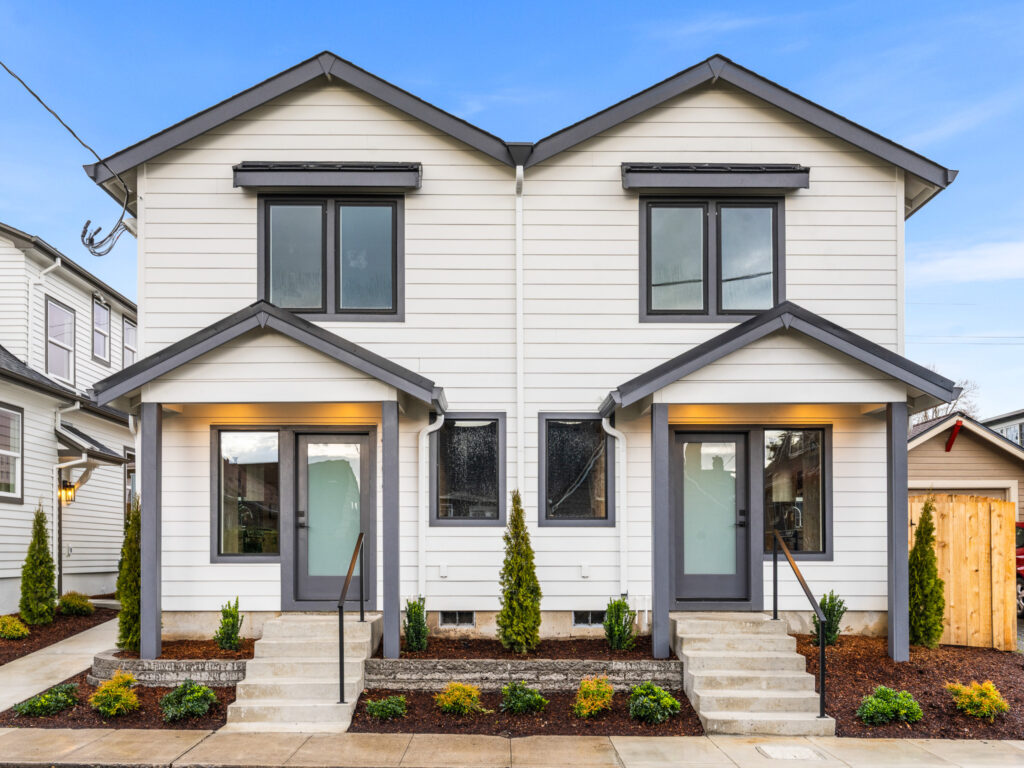
Aker’s structured evaluation process distinguishes viable infill opportunities from speculative risk. Each lot undergoes layered analysis covering zoning compliance, infrastructure readiness, soil conditions, environmental overlays, and market alignment.
Feasibility modeling allows clients to compare density scenarios before committing to final plans. This strategic clarity prevents overbuilding or underutilizing valuable land.
Aker’s Portland experience translates into realistic timeline forecasting. Permit review sequencing, inspection scheduling, and neighborhood engagement are anticipated rather than reactive.
Clients benefit from transparent communication throughout. Budget implications, regulatory timelines, and design trade-offs are discussed openly.
By prioritizing foresight over improvisation, Aker transforms infill development in Portland into a predictable, manageable process. Their experience ensures each project is grounded in due diligence rather than assumption.
Conclusion: Identifying the Ideal Lot for Infill Development in Portland
Infill development in Portland begins long before construction—it begins with the lot. Zoning compatibility, infrastructure readiness, environmental factors, and neighborhood context collectively determine success.
An ideal lot balances regulatory feasibility with livability. It supports density without overwhelming infrastructure. It integrates into its surroundings while enhancing long-term value.
Misjudging site potential can lead to costly redesigns and prolonged approvals. Thoughtful evaluation prevents these setbacks.
Aker’s disciplined approach ensures that every infill project begins with clarity. By combining technical expertise, regulatory fluency, and neighborhood awareness, they help homeowners and developers identify opportunities rooted in both vision and practicality.
If you are exploring infill development in Portland, the first step is not drafting plans—it is understanding the land itself. With Aker’s guidance, lot selection becomes a strategic advantage rather than a gamble.
External Links
Portland Bureau of Development Services
https://www.portland.gov/bds
U.S. Environmental Protection Agency – Smart Growth
https://www.epa.gov/smartgrowth
U.S. Department of Housing and Urban Development
https://www.hud.gov
Internal Links
Infill-Development
Construction Process
Energy Efficient Homes
Home Maintenance Tips
