


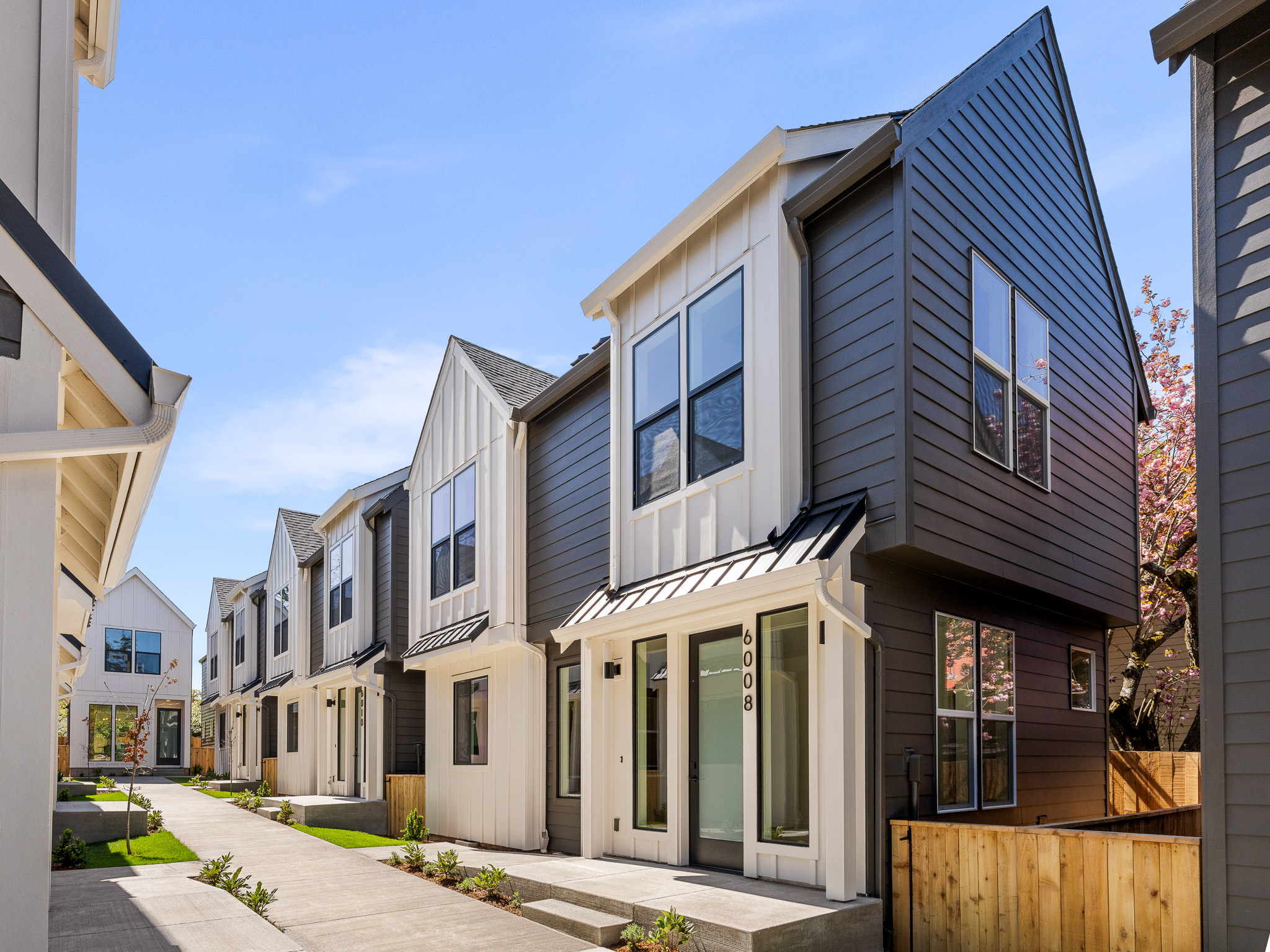
Introduction: Why Community Character Matters in Growing Cities
Community character and new development are often discussed as opposing forces, particularly in cities experiencing population growth and housing demand. Residents may worry that new construction will alter the identity of neighborhoods they value, while developers focus on creating housing that meets current and future needs. In reality, successful urban growth is not about choosing one over the other—it is about finding a balance that allows neighborhoods to evolve without losing the qualities that make them unique.
Every neighborhood develops a distinct identity over time. Architecture, street patterns, local businesses, public spaces, and social connections all contribute to how residents experience a place. These elements create familiarity and belonging, which is why change can sometimes generate concern. When development appears disconnected from its surroundings, residents may feel that the character of their community is being replaced rather than strengthened.
At the same time, cities cannot remain static. Population shifts, changing housing needs, and economic growth require communities to adapt. New homes, infrastructure improvements, and redevelopment projects are necessary to support future residents and maintain long-term vitality. The challenge is ensuring that these additions contribute positively to the existing urban fabric instead of disrupting it.
Portland provides an excellent example of this balancing act. The city has experienced sustained demand for housing while maintaining strong expectations around neighborhood identity, walkability, sustainability, and design quality. Development is expected to support growth while respecting the context in which it occurs.
Aker Development approaches projects with this balance in mind. Their work demonstrates that responsible growth does not require sacrificing neighborhood identity. Instead, thoughtful planning, contextual design, and meaningful community integration can help new development become a natural extension of an area’s existing character.
Understanding What Creates Community Character
Community character is often difficult to define because it consists of many interconnected elements. It is not limited to architecture alone. The feeling of a neighborhood comes from how buildings, streets, landscaping, public spaces, and daily activities interact to create a recognizable sense of place.
Architectural diversity frequently plays a major role. Older neighborhoods may include homes built across multiple decades, each reflecting different design influences while maintaining a cohesive visual rhythm. Rooflines, setbacks, materials, and building scale often contribute more to neighborhood identity than specific architectural styles themselves.
Public spaces also shape community character. Parks, sidewalks, local gathering areas, and neighborhood businesses help create social connections that make areas feel distinct. Development that supports these features often strengthens the community experience rather than diminishing it.
Street design is another important factor. Walkability, tree canopy coverage, and the relationship between buildings and public space all influence how people interact with their surroundings. Neighborhoods with strong pedestrian experiences tend to foster stronger community engagement and long-term stability.
According to the Urban Land Institute, successful urban development often builds upon existing community strengths rather than replacing them. This approach helps neighborhoods evolve while maintaining the characteristics that attract residents and investment in the first place.
Aker Development recognizes that understanding community character requires more than reviewing zoning regulations. Their planning process includes evaluating neighborhood patterns, architectural context, and local priorities before major design decisions are finalized.
Why New Development Is Necessary
While preserving neighborhood identity is important, it is equally important to recognize why development occurs in the first place. Housing demand, demographic changes, and economic growth all create pressure for cities to accommodate new residents and evolving lifestyles.
Many established neighborhoods were originally developed during periods of significant growth. The homes and buildings that are now considered part of a community’s character were once new construction themselves. Over time, they became integrated into the fabric of the neighborhood and contributed to its identity.
Housing shortages present one of the strongest arguments for responsible development. Without additional housing supply, affordability challenges often intensify, making it more difficult for individuals and families to remain in the communities they value. Thoughtful development can help address these pressures while maintaining neighborhood quality.
New development also supports infrastructure investment. Additional residents contribute to local economies, strengthen demand for services, and support public investments that benefit both current and future community members. Growth managed effectively can improve neighborhood vitality rather than diminish it.
Portland’s approach to urban planning reflects these realities. The city encourages development that increases housing opportunities while promoting walkability, sustainability, and compatibility with surrounding neighborhoods. This framework seeks to accommodate growth without sacrificing long-term livability.
Aker Development works within this philosophy by creating projects that respond to market demand while respecting the established context of the neighborhoods in which they build.
The Difference Between Growth and Overdevelopment
One reason community concerns arise around development is the perception that all growth is inherently disruptive. However, there is an important distinction between thoughtful growth and overdevelopment.
Thoughtful growth focuses on integrating new homes and buildings into existing environments in ways that support neighborhood function and character. It considers scale, infrastructure capacity, transportation access, and architectural compatibility. These projects seek to enhance communities while addressing evolving housing needs.
Overdevelopment often occurs when density, design, or infrastructure considerations are overlooked. Projects that disregard neighborhood context may create visual imbalance, strain local systems, or generate resistance from residents who feel excluded from the planning process.
Scale is a particularly important factor. A building can introduce new housing while still respecting surrounding structures through careful massing, setbacks, and design choices. Development does not need to mimic every neighboring home, but it should acknowledge the broader context in which it exists.
Aker Development emphasizes proportionality and site-specific design. Rather than applying standardized solutions across different neighborhoods, they evaluate how each project can contribute positively to its surroundings while meeting development goals.
Successful communities are not defined by the absence of growth. They are defined by their ability to grow in ways that preserve livability, support residents, and maintain long-term quality.
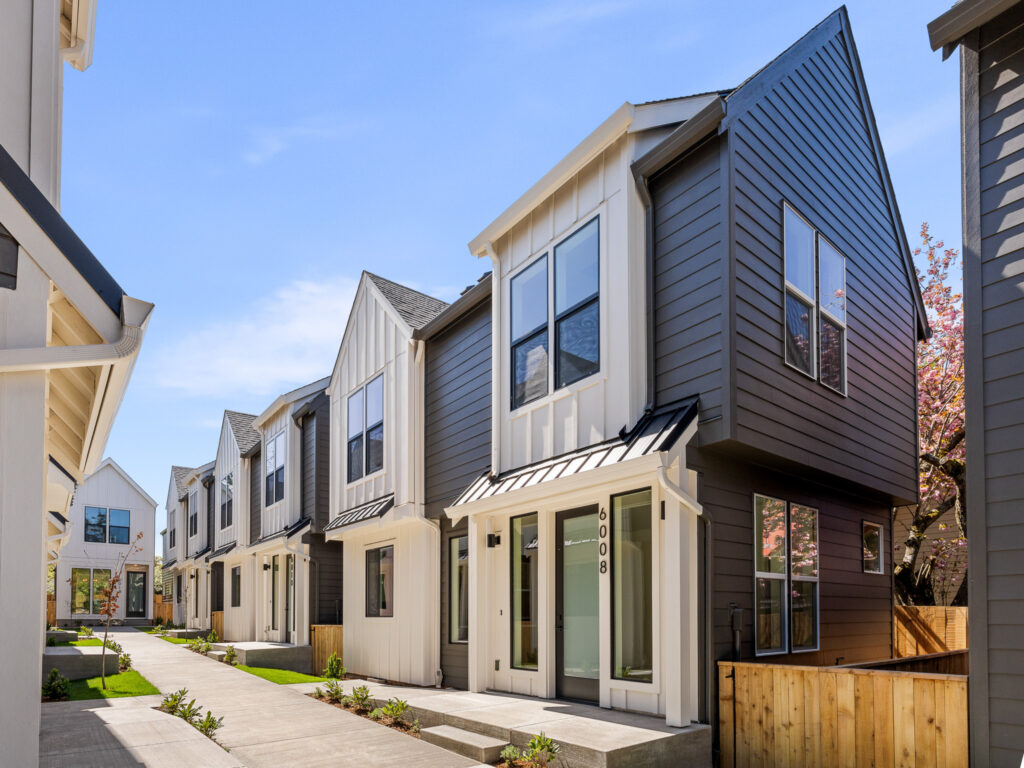
Contextual Design Creates Better Outcomes
Contextual design is one of the most effective tools for balancing community character and new development. This approach considers how new buildings relate to their surroundings rather than treating development sites as isolated opportunities.
Contextual design begins with observation. Designers evaluate rooflines, building proportions, material palettes, landscaping patterns, and street relationships within the surrounding area. These observations help inform decisions that create continuity without limiting innovation.
Importantly, contextual design does not mean copying neighboring buildings. New construction should reflect contemporary needs and building standards while respecting the broader character of the area. Successful projects often blend modern functionality with neighborhood-sensitive design principles.
Aker Development frequently incorporates contextual design strategies into their projects. By studying neighborhood patterns before development begins, they create homes that feel connected to their surroundings rather than disconnected from them.
Natural transitions between old and new architecture also contribute to long-term neighborhood acceptance. When residents see thoughtful integration rather than abrupt contrast, development is often perceived more positively.
Contextual design ultimately demonstrates that growth and preservation are not mutually exclusive objectives. Both can coexist when planning decisions prioritize compatibility and long-term community value.
Community Engagement Improves Development Quality
Community engagement is often viewed as a procedural requirement, but it can also be a valuable design and planning tool. Residents possess firsthand knowledge about neighborhood conditions, priorities, and concerns that may not be immediately visible through technical analysis alone.
Early communication allows developers to identify potential issues before they become larger conflicts. Concerns related to traffic, parking, access, landscaping, or building scale can often be addressed more effectively when discussed during planning stages rather than after approvals are secured.
Engagement also builds trust. Residents are more likely to support development when they understand project goals and feel their perspectives have been considered. Transparent communication reduces uncertainty and creates opportunities for collaborative problem-solving.
Aker Development views community engagement as an important component of responsible development. By maintaining open dialogue where appropriate, they help create projects that align more closely with neighborhood expectations while still meeting development objectives.
The goal is not to eliminate all disagreement. Change naturally generates diverse opinions. However, meaningful engagement creates a more informed process that often results in stronger outcomes for both communities and developers.
Successful development is ultimately about relationships as much as buildings. Projects that foster trust tend to integrate more effectively into the neighborhoods they join.
Sustainability Strengthens Existing Neighborhoods
Sustainability is often associated with environmental performance, but it also plays a role in preserving community character. Energy-efficient homes, resilient infrastructure, and responsible land use contribute to long-term neighborhood stability.
Compact development patterns help reduce pressure for outward expansion while supporting existing infrastructure investments. This approach allows cities to accommodate growth without consuming additional undeveloped land unnecessarily.
Energy-efficient construction benefits both homeowners and communities. Lower utility costs, improved building performance, and reduced environmental impact contribute to long-term livability. These advantages become increasingly important as housing markets evolve.
According to the U.S. Environmental Protection Agency, smart growth strategies can support environmental objectives while strengthening local economies and community quality of life. Sustainable development therefore benefits both individual projects and broader urban systems.
Aker Development incorporates sustainability into planning and construction decisions because they recognize that responsible growth extends beyond immediate project boundaries. Durable materials, efficient systems, and thoughtful site planning all contribute to neighborhood resilience over time.
Sustainability is not simply a feature of modern development—it is a strategy for protecting community quality for future generations.
Housing Diversity Supports Community Stability
Neighborhoods thrive when they can accommodate residents across different life stages and household structures. Housing diversity plays an important role in achieving this goal.
Many communities face challenges when housing options become too limited. Younger residents may struggle to enter the market, while older homeowners may find it difficult to remain in their neighborhoods as needs change. A wider range of housing types helps address these challenges.
Thoughtful infill development often supports housing diversity without dramatically altering neighborhood character. Smaller homes, accessory dwelling units, and carefully planned multifamily housing can increase opportunities while maintaining compatibility with surrounding areas.
Aker Development understands that housing needs evolve over time. Their projects often emphasize flexibility and livability, helping create neighborhoods that can support a broader range of residents without compromising overall quality.
Housing diversity also strengthens economic resilience by providing options across different income levels and household configurations. Communities that accommodate varied needs tend to remain more stable over time.
Balancing community character and new development therefore includes creating opportunities for both current and future residents to thrive within the same neighborhood.
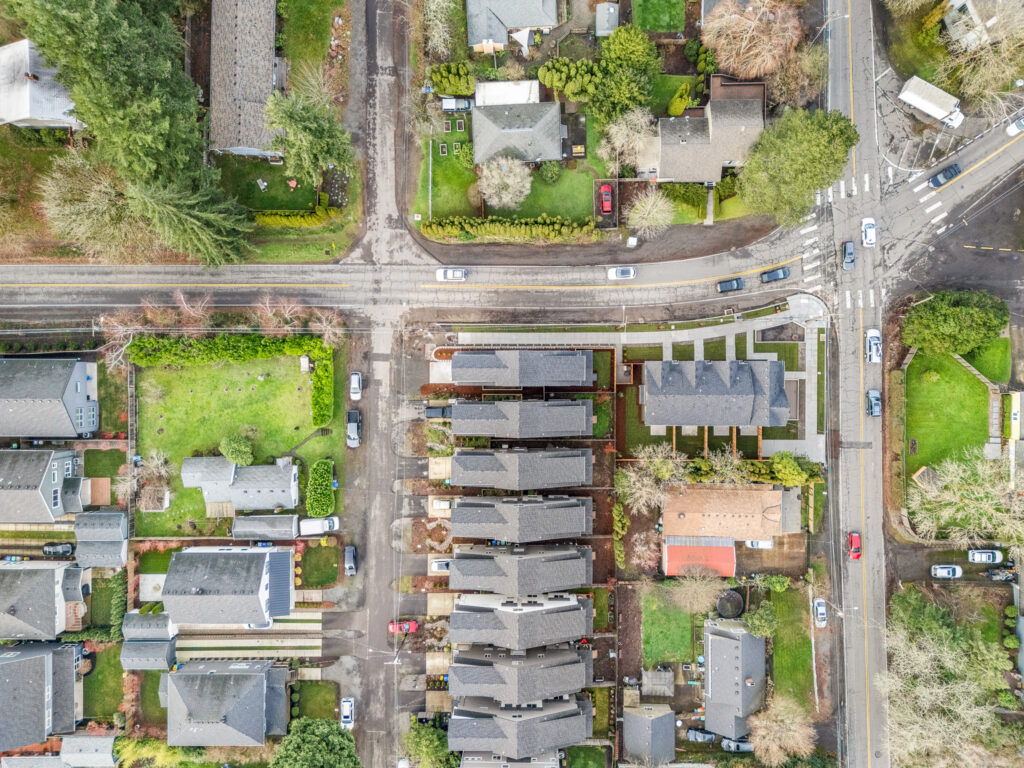
How Aker Development Approaches Responsible Growth
Aker Development’s work reflects the belief that successful projects should contribute positively to both individual homeowners and surrounding communities. Their approach emphasizes long-term value rather than short-term construction outcomes alone.
Site-specific planning is central to their process. Each property is evaluated individually to understand neighborhood context, physical constraints, and development opportunities before design decisions are finalized. This helps ensure that projects respond appropriately to their surroundings.
Aker also prioritizes collaboration across disciplines. Architects, engineers, planners, and construction professionals work together to create solutions that balance functionality, aesthetics, and regulatory compliance. This integrated process helps reduce conflicts and improve project quality.
Neighborhood compatibility remains an important consideration throughout development. Rather than viewing context as a limitation, Aker treats it as an opportunity to create homes that strengthen existing communities while addressing modern housing needs.
Their experience in Portland provides valuable insight into how growth can occur responsibly within established neighborhoods. This perspective allows them to navigate complex development environments while maintaining focus on long-term community value.
Ultimately, Aker’s approach demonstrates that responsible development is not simply about building homes—it is about contributing to the ongoing evolution of neighborhoods in thoughtful and meaningful ways.
Looking Toward the Future of Portland Neighborhoods
Portland’s future will continue to involve balancing growth with preservation. Population changes, housing demand, and sustainability goals will require ongoing development, but community identity will remain an important priority.
Future neighborhoods will likely include a wider mix of housing types, improved environmental performance, and greater emphasis on walkability and transit access. These changes can strengthen urban livability when implemented thoughtfully.
Technology may also influence how development integrates with communities. Improved planning tools, energy systems, and construction methods offer opportunities to create more efficient and adaptable housing while maintaining neighborhood quality.
The most successful projects will be those that recognize neighborhoods as living systems rather than static environments. Growth will continue, but it can occur in ways that respect existing strengths and support future needs simultaneously.
Aker Development remains committed to helping shape this future through projects that balance innovation with context. Their work reflects the idea that development should contribute positively to both residents and the broader community.
As Portland evolves, thoughtful planning and responsible development will play an increasingly important role in maintaining the qualities that make its neighborhoods distinctive.
Conclusion: Growth and Character Can Coexist
Balancing community character and new development is not about preventing change—it is about guiding change responsibly. Communities thrive when growth supports housing needs, economic vitality, and environmental sustainability without erasing the qualities that make neighborhoods unique.
Successful development respects context while embracing progress. It recognizes that neighborhoods must evolve to remain vibrant, but that evolution should be informed by thoughtful planning, quality design, and meaningful engagement. Growth that considers these factors strengthens communities rather than diminishing them.
Aker Development demonstrates how this balance can be achieved in practice. Through site-specific planning, contextual design, sustainability, and long-term thinking, they create projects that contribute positively to Portland’s evolving urban landscape. Their work reflects a commitment to development that serves both current residents and future generations.
As cities continue to grow, the most valuable developments will not be those that build the most structures or create the highest density. They will be the projects that successfully connect new opportunities with existing identity. When community character and new development work together, neighborhoods become stronger, more resilient, and better prepared for the future.
External Links
U.S. Environmental Protection Agency
Portland Bureau of Development Services
Internal Links
,
