



Introduction: Looking Beyond Vacant Land
How developers evaluate infill opportunities in Portland is a question that extends far beyond identifying an empty lot. To the average observer, a vacant parcel may appear ready for construction, but experienced developers understand that every site carries layers of complexity beneath the surface. Zoning regulations, neighborhood context, infrastructure capacity, environmental considerations, and financial feasibility all influence whether a property can become a successful development opportunity.
Portland has become a national example of urban growth management. As developable land becomes increasingly limited, infill development plays a central role in meeting housing demand while preserving the city’s urban growth boundary. This creates opportunities for thoughtful development, but it also raises the stakes for making the right decisions before construction ever begins.
For developers, evaluating infill opportunities requires balancing long-term vision with practical realities. A site that appears attractive on paper may present challenges that significantly affect timelines, costs, or design flexibility. Conversely, a property that initially seems constrained may hold substantial hidden potential when approached strategically.
Aker Development has built much of its expertise around understanding these dynamics. Rather than evaluating opportunities solely through the lens of square footage or acquisition price, their process considers how a property fits within Portland’s broader housing needs, neighborhood character, and future growth patterns. This comprehensive approach helps identify projects capable of delivering lasting value for homeowners, investors, and communities alike.
Why Infill Development Matters in Portland
Portland’s growth strategy emphasizes efficient land use rather than outward expansion. Because the city operates within an urban growth boundary, opportunities for large-scale suburban expansion remain limited. As a result, infill development has become one of the most practical ways to create new housing while supporting existing infrastructure and services.
This approach benefits both residents and municipalities. New homes built within established neighborhoods can take advantage of existing roads, utilities, schools, and public transportation systems. Rather than requiring entirely new infrastructure investments, infill projects maximize the value of systems already in place.
From an economic perspective, infill development often aligns with strong market demand. Buyers increasingly prioritize walkability, access to amenities, shorter commutes, and established neighborhood character. These preferences naturally support housing opportunities within urban environments rather than distant suburban locations.
Aker Development has consistently recognized the importance of infill as part of Portland’s housing future. Their projects focus on creating homes that contribute positively to existing communities while addressing the city’s ongoing need for thoughtfully designed housing options.
The First Step: Site Identification
Every infill opportunity begins with site identification. However, developers rarely evaluate properties based solely on appearance or location. The most promising opportunities emerge through detailed analysis of factors that may not be immediately visible.
Lot dimensions represent an important starting point. Width, depth, shape, and topography all influence what can realistically be built. Even minor differences in lot configuration can significantly impact design flexibility and construction efficiency.
Developers also examine surrounding conditions. Adjacent buildings, street access, utility connections, and neighborhood density all affect a property’s development potential. A site located within a desirable neighborhood may still face limitations that reduce overall feasibility.
Aker Development approaches site identification through both immediate assessment and long-term vision. Their team evaluates not only what a property can accommodate today but also how future neighborhood trends may influence value and livability over time.
Understanding Zoning and Land Use Regulations
Zoning regulations often determine whether an infill opportunity is viable. Portland’s zoning code establishes rules governing building height, setbacks, density, parking requirements, and permitted uses. These regulations shape nearly every aspect of project planning.
Developers must understand how zoning affects potential housing types. Some parcels may support single-family homes, while others allow duplexes, triplexes, cottage clusters, or additional dwelling units. The ability to accommodate multiple housing options can significantly influence project economics.
Overlay zones add another layer of complexity. Environmental protections, historic preservation requirements, and design review standards may introduce additional limitations or review processes. These factors can affect timelines, construction costs, and overall project feasibility.
Developers frequently rely on resources from the Portland Bureau of Development Services when evaluating zoning requirements and permitting expectations. Understanding these regulations early helps avoid costly surprises later in the process.
Aker Development incorporates zoning analysis into the earliest stages of project evaluation. By identifying regulatory opportunities and constraints before acquisition decisions are finalized, they create a more predictable path toward successful development.
Evaluating Infrastructure Capacity
A property’s development potential depends heavily on infrastructure. Water service, sewer capacity, stormwater management, electrical systems, and transportation access all play important roles in determining feasibility.
Existing infrastructure may appear sufficient on the surface yet require upgrades to support new construction. In some cases, utility improvements can represent a substantial portion of overall project costs. Identifying these needs early protects developers from unexpected expenses.
Transportation access also influences long-term value. Properties located near transit corridors, bike routes, and walkable amenities often attract stronger buyer interest. Infrastructure is not simply about functionality—it contributes directly to marketability and livability.
Developers must also evaluate future infrastructure demands. Population growth and neighborhood evolution can place additional pressure on existing systems. Planning for these realities helps ensure projects remain successful over the long term.
Aker Development carefully reviews infrastructure conditions during feasibility analysis. Their goal is not merely to meet current requirements but to ensure that each project functions effectively within Portland’s evolving urban environment.
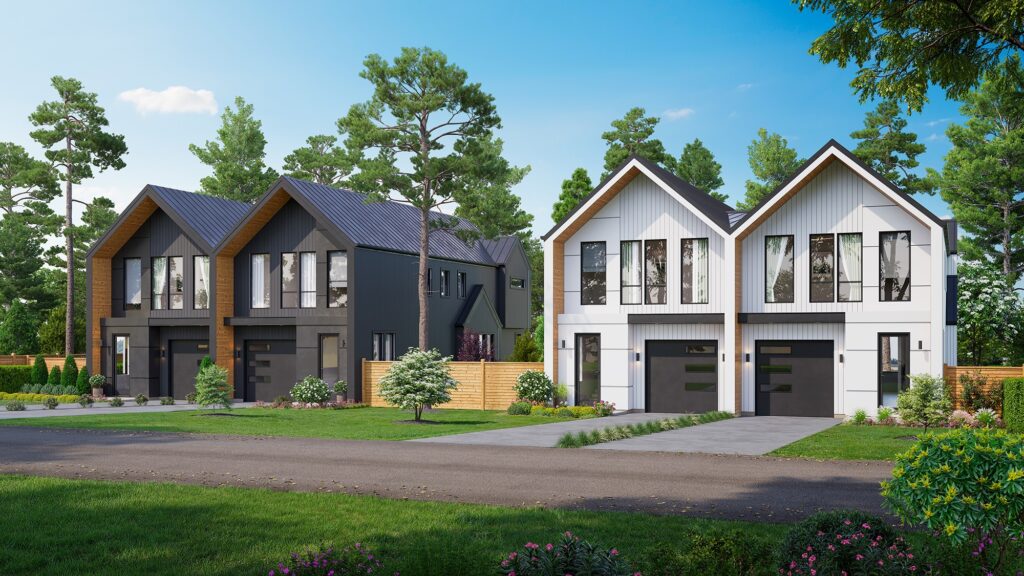
Neighborhood Context and Community Compatibility
Successful infill development requires more than technical compliance. Projects must also fit within the social and architectural fabric of surrounding neighborhoods.
Developers examine architectural patterns, lot sizes, streetscapes, and community expectations. Understanding these characteristics helps create housing that complements rather than disrupts existing environments.
Neighborhood compatibility influences public perception as well as project performance. Homes that respect local context often experience stronger community support and greater long-term value retention.
Community character is especially important in Portland, where residents frequently engage in discussions about neighborhood growth and development. Developers who ignore these concerns may encounter resistance that affects project timelines and outcomes.
Aker Development places significant emphasis on contextual design. Their projects aim to introduce modern housing solutions while maintaining the qualities that make Portland neighborhoods distinctive and desirable.
Financial Feasibility Analysis
Even the most attractive site must demonstrate financial viability. Developers evaluate acquisition costs, permitting expenses, construction budgets, financing requirements, and projected market values before moving forward.
Financial feasibility extends beyond simple profit calculations. It involves understanding risk exposure across multiple phases of development. Delays, material cost fluctuations, and changing market conditions can all affect outcomes.
Accurate projections require detailed analysis. Developers must estimate not only construction expenses but also soft costs such as design services, permitting fees, engineering studies, and financing charges.
Aker Development emphasizes realistic financial modeling. Their approach prioritizes long-term project stability over aggressive assumptions, helping ensure that opportunities remain viable under a variety of market conditions.
Market Demand and Buyer Behavior
Understanding buyer demand is essential when evaluating infill opportunities. Development succeeds when housing aligns with how people actually live rather than relying on outdated assumptions.
Portland buyers increasingly value flexibility, energy efficiency, natural light, and access to amenities. These preferences influence everything from floor plan design to site selection.
Demographic trends also shape housing demand. Smaller households, remote work arrangements, and multi-generational living patterns have created interest in housing formats that did not receive as much attention in previous decades.
Developers often reference housing research from the U.S. Department of Housing and Urban Development to better understand broader market and demographic trends influencing housing demand.
Aker Development integrates these insights into project planning, ensuring that new homes reflect current buyer priorities while remaining adaptable to future lifestyle changes.
Environmental Considerations and Sustainability
Environmental factors play a major role in infill evaluation. Soil conditions, drainage patterns, tree preservation requirements, and stormwater management systems can all affect project feasibility.
Sustainability considerations extend beyond regulatory compliance. Energy-efficient design, durable materials, and environmentally responsible construction practices contribute to long-term value and performance.
Modern buyers increasingly view sustainability as a core expectation rather than an optional feature. Homes that reduce operating costs while minimizing environmental impact often perform more strongly in competitive markets.
Guidance from the Environmental Protection Agency highlights how smart growth principles support sustainable urban development while strengthening communities and housing opportunities.
Aker Development incorporates sustainability into project planning from the outset. Their focus on long-term performance helps create homes that remain relevant and efficient for years to come.
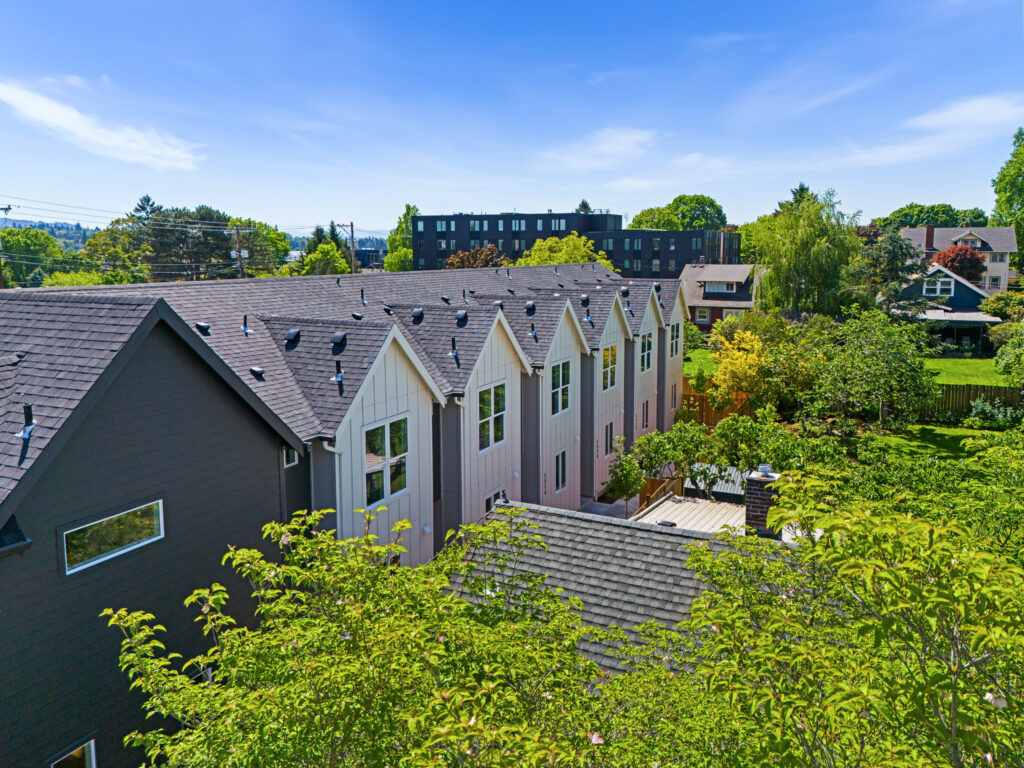
Risk Assessment Before Moving Forward
Every development opportunity carries risk. Successful developers distinguish themselves not by avoiding risk entirely but by understanding and managing it effectively.
Risk assessment includes evaluating regulatory uncertainty, infrastructure requirements, market volatility, construction challenges, and financing considerations. Each factor can influence timelines and outcomes.
Developers also examine site-specific concerns. Access limitations, utility conflicts, environmental constraints, and neighborhood opposition can all affect feasibility. Identifying these issues early allows teams to develop appropriate mitigation strategies.
Aker Development approaches risk management through preparation and transparency. Their process emphasizes identifying challenges before construction begins, reducing the likelihood of costly surprises during later project stages.
How Aker Development Evaluates Opportunities Differently
Aker Development’s approach reflects a broader perspective on what makes an infill project successful. Rather than focusing exclusively on development potential, they evaluate how each site contributes to long-term neighborhood quality and housing needs.
Their process begins with detailed feasibility analysis that integrates zoning review, infrastructure assessment, market research, and financial evaluation. This multidisciplinary approach helps create a more complete understanding of project viability.
Collaboration also plays a central role. Architects, engineers, planners, and construction professionals contribute insights early in the process, improving decision-making before significant resources are committed.
Most importantly, Aker Development evaluates opportunities through the lens of long-term livability. Their goal is not simply to build housing but to create homes that enhance neighborhoods, support residents, and contribute positively to Portland’s future growth.
The Future of Infill Development in Portland
The future of Portland housing will depend heavily on thoughtful infill development. As land availability becomes increasingly limited, opportunities to create housing within existing neighborhoods will remain essential.
New housing types, evolving zoning policies, and changing buyer preferences will continue shaping development strategies. Successful projects will require flexibility, innovation, and careful planning.
Technology will also influence how opportunities are evaluated. Improved data analysis, environmental modeling, and construction methods will help developers make more informed decisions while reducing uncertainty.
Aker Development remains committed to adapting alongside these changes. Their focus on strategic planning, contextual design, and responsible growth positions them to continue creating housing that supports Portland’s evolving needs.
Conclusion: Seeing Opportunity Through a Developer’s Lens
Understanding how developers evaluate infill opportunities in Portland reveals that successful development begins long before construction starts. Every decision—from zoning analysis and infrastructure evaluation to market research and community integration—shapes the eventual outcome.
The most promising opportunities are rarely defined by vacant land alone. They emerge through careful analysis, strategic planning, and a deep understanding of how housing fits within broader urban systems. Developers who approach projects with this perspective are better positioned to create lasting value.
Aker Development exemplifies this approach by combining technical expertise, market awareness, and neighborhood sensitivity throughout the evaluation process. Their work demonstrates that responsible development is not simply about building homes—it is about strengthening communities while addressing Portland’s evolving housing needs.
For investors, homeowners, and community stakeholders alike, understanding how developers evaluate infill opportunities in Portland provides valuable insight into the decisions that shape the city’s future. Through thoughtful planning and disciplined execution, infill development can continue serving as one of Portland’s most effective tools for sustainable growth.
External Links
- Portland Bureau of Development Services
- U.S. Department of Housing and Urban Development
- Environmental Protection Agency
