
Introduction: The Work Nobody Sees
How Great Developments Begin Long Before Construction Starts is a concept that many homeowners, investors, and future buyers rarely think about when they see a finished home or completed neighborhood. Most people associate development with active construction sites, heavy equipment, and buildings taking shape. In reality, the foundation of every successful project is established long before construction crews arrive on site.
When people think about real estate development, they often picture excavators breaking ground, framing crews raising walls, or finished homes welcoming new owners. While these visible milestones represent significant progress, the reality is that the most important decisions in any successful project are usually made months—or even years—before construction begins.
The difference between a smooth, efficient development and one plagued by delays, cost overruns, or design compromises often comes down to the quality of the planning that happens long before the first shovel touches the ground. Site selection, financial analysis, regulatory research, design coordination, and community considerations all influence outcomes far more than many people realize.
In a market like Portland, where development involves navigating complex zoning regulations, evolving housing needs, and strong neighborhood identities, preparation becomes even more important. Developers who rush into construction without a thorough understanding of the project landscape often discover challenges that could have been identified much earlier.
At Aker Development, this belief shapes every project from the very beginning. Their approach recognizes that great homes are not created solely through construction expertise—they are the result of thoughtful planning, strategic decision-making, and a disciplined process that starts long before permits are submitted or foundations are poured.
Why Pre-Construction Planning Determines Project Success
Every successful development begins with a clear understanding of what success actually looks like. Before evaluating architectural plans or construction schedules, developers must define project goals, identify constraints, and establish realistic expectations.
Pre-construction planning provides the framework that guides every subsequent decision. Without it, even well-funded projects can experience inefficiencies that affect timelines, budgets, and overall quality. Strong planning creates alignment between design objectives, financial realities, and construction execution.
One of the most overlooked aspects of development is how interconnected project decisions become. A zoning requirement discovered late in the process can trigger design revisions. An overlooked infrastructure limitation can create unexpected costs. A misunderstood market trend can reduce long-term value. Early planning helps identify these relationships before they become problems.
Aker Development places significant emphasis on pre-construction strategy because it allows teams to solve challenges when solutions are still relatively simple and cost-effective. By investing time upfront, they create greater certainty throughout the remainder of the development process.
Understanding the Site Before Making Commitments
Every parcel of land tells a story. Successful developers understand that evaluating a site involves much more than measuring its dimensions or assessing its location.
Topography, drainage patterns, utility access, soil conditions, and surrounding development all influence feasibility. A lot that appears ideal at first glance may contain hidden constraints that significantly affect design flexibility or construction costs.
Environmental considerations can also play a major role. Tree preservation requirements, stormwater management obligations, and sensitive habitat protections may influence what can be built and how a project proceeds through approval processes.
Neighborhood context matters as well. Existing building patterns, architectural styles, traffic conditions, and community expectations contribute to how a new development will be received and integrated into its surroundings.
Aker Development begins every opportunity with a comprehensive site evaluation. Their process focuses on identifying both opportunities and limitations early, ensuring that decisions are based on a complete understanding of the property’s potential rather than assumptions.
The Importance of Feasibility Analysis
Not every promising site represents a viable development opportunity. This is where feasibility analysis becomes essential.
Feasibility studies help determine whether a project can realistically achieve its objectives from financial, regulatory, and operational perspectives. These evaluations examine acquisition costs, projected construction expenses, market demand, permitting requirements, and potential return on investment.
Developers who skip or minimize feasibility analysis often expose themselves to avoidable risk. Assumptions that seem reasonable during acquisition may prove inaccurate once design and permitting work begins. Comprehensive analysis helps identify these issues before significant resources are committed.
A feasibility study also provides a valuable decision-making framework. Instead of relying on intuition alone, developers can evaluate opportunities using measurable data and realistic projections.
At Aker Development, feasibility analysis is treated as a critical stage rather than a formality. Their process helps ensure that projects move forward only when the underlying conditions support long-term success.
Researching Zoning and Regulatory Requirements
One of the most important activities that occurs before construction starts is understanding what regulations govern a particular site.
Portland’s development environment includes zoning codes, overlay districts, environmental protections, design standards, and permitting requirements that can significantly affect project outcomes. These regulations influence density, building height, setbacks, parking, landscaping, and many other factors.
Developers who fail to understand regulatory constraints early may spend considerable time and money pursuing designs that ultimately require substantial revisions. Thorough research prevents these costly setbacks.
The Portland Bureau of Development Services provides guidance regarding zoning regulations, permitting procedures, and development requirements. Reviewing these resources during the earliest stages of planning helps establish realistic expectations.
Aker Development incorporates regulatory review into its initial evaluation process. By understanding requirements before design work begins, they reduce uncertainty and improve project predictability.
Aligning Development With Market Demand
Successful projects are not defined solely by what can be built—they are shaped by what people actually want and need.
Housing preferences continue to evolve. Buyers increasingly prioritize flexibility, energy efficiency, walkability, and thoughtful design. Developers who fail to recognize these trends risk creating products that struggle to compete within the market.
Market analysis helps identify the housing types, layouts, and features most likely to resonate with future homeowners. This information influences everything from site selection to architectural planning.
Demographic shifts also play a role. Household sizes, lifestyle patterns, and remote work arrangements continue to shape housing demand in meaningful ways. Understanding these factors allows developers to create homes that remain relevant over time.
Aker Development evaluates market conditions as part of every project’s early planning phase. Their goal is to ensure that development decisions align with real demand rather than assumptions about buyer behavior.
Designing With Purpose Instead of Reacting Later
Design is often viewed as a creative process, but in development it is also a strategic one.
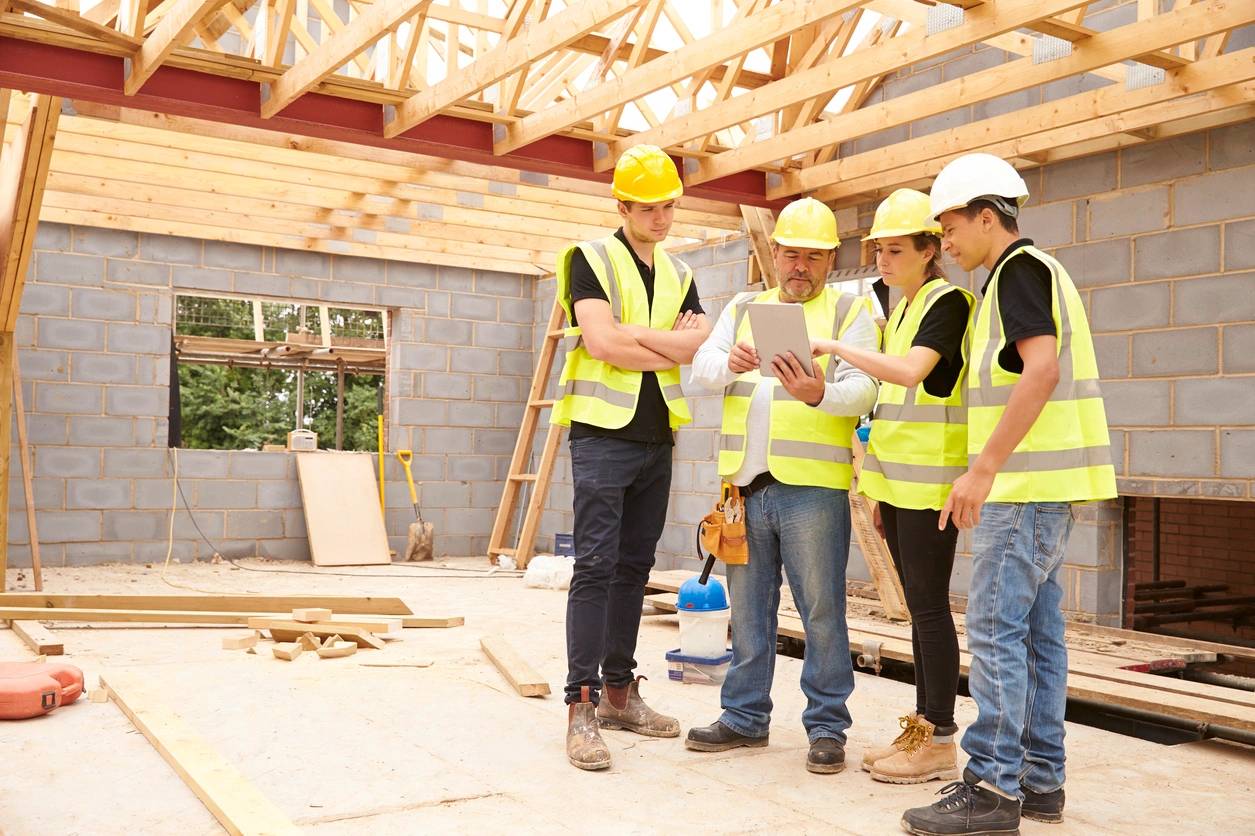
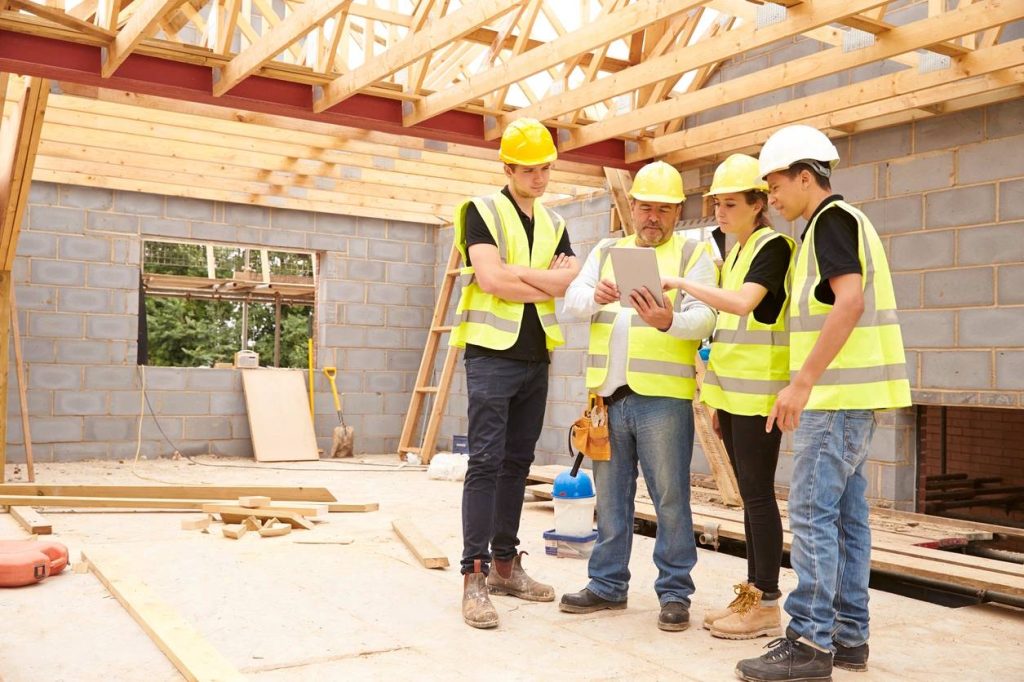
Early design coordination allows developers, architects, and engineers to work together toward shared objectives. Rather than solving problems after they emerge, teams can anticipate challenges and incorporate solutions into the design itself.
This collaborative approach improves efficiency while reducing the likelihood of redesigns during permitting or construction. It also creates opportunities to optimize site use, enhance functionality, and improve overall project value.
Design decisions influence more than aesthetics. They affect construction costs, energy performance, maintenance requirements, and long-term livability. Every choice contributes to the eventual success of the project.
Aker Development prioritizes integrated design planning because it strengthens both project performance and homeowner experience. Their process focuses on creating homes that function as well as they look.
Building Financial Clarity Before Construction Begins
One of the biggest mistakes in development occurs when financial planning is treated as a secondary consideration rather than a foundational component of the project.
Accurate budgeting requires more than estimating construction expenses. Developers must account for land acquisition, permitting costs, professional services, financing, utility upgrades, contingency reserves, and timeline-related expenses.
Unexpected costs often originate from issues that could have been identified earlier. Thorough planning helps minimize surprises while providing a more realistic understanding of project economics.
Financial clarity also improves decision-making. When developers understand how different choices affect budgets, they can prioritize investments that deliver the greatest value.
Aker Development emphasizes realistic cost forecasting throughout pre-construction planning. Their approach helps ensure that projects remain financially sustainable from concept through completion.
The Role of Community Context in Great Development
Development does not occur in isolation. Every project becomes part of a larger neighborhood and contributes to the character of the surrounding community.
Understanding community context helps developers create projects that feel connected rather than disruptive. Architectural patterns, streetscapes, public spaces, and neighborhood identity all influence how new development is perceived.
Community concerns should also be considered during early planning. Traffic, privacy, density, and construction impacts often shape public sentiment toward development proposals.
Projects that respect neighborhood character tend to experience stronger acceptance and better long-term performance. Community compatibility is not simply a public relations consideration—it is a component of sustainable development.
Aker Development places significant value on contextual design. Their projects are planned with the understanding that successful housing should enhance neighborhoods while meeting modern housing needs.
Sustainability Starts Before Construction
Many people associate sustainability with construction materials or energy-efficient appliances. In reality, sustainability begins much earlier.
Site selection, land use efficiency, orientation, infrastructure utilization, and design strategy all influence environmental performance. Decisions made during planning often have a greater impact than technologies added later.
Efficient site utilization reduces environmental impact while supporting broader urban planning goals. Infill development, in particular, allows communities to grow without expanding infrastructure unnecessarily.
The Environmental Protection Agency Smart Growth Program highlights how thoughtful planning and efficient land use contribute to more sustainable communities.
Aker Development incorporates sustainability into project planning from the beginning, ensuring that environmental performance is integrated into the development process rather than treated as an afterthought.
Managing Risk Before It Becomes a Problem
Every development project involves risk. The goal is not to eliminate uncertainty entirely but to identify and manage it effectively.
Potential risks include regulatory delays, site constraints, cost escalation, market changes, financing challenges, and construction complexities. Many of these issues can be addressed proactively through thorough planning.
Risk management begins with information. The more developers understand about a project before construction starts, the better equipped they are to make informed decisions.
Contingency planning also plays an important role. Projects rarely unfold exactly as anticipated, making flexibility essential for maintaining momentum when conditions change.
Aker Development approaches risk management through preparation rather than reaction. Their process focuses on identifying potential challenges early, creating more predictable outcomes for clients and stakeholders.
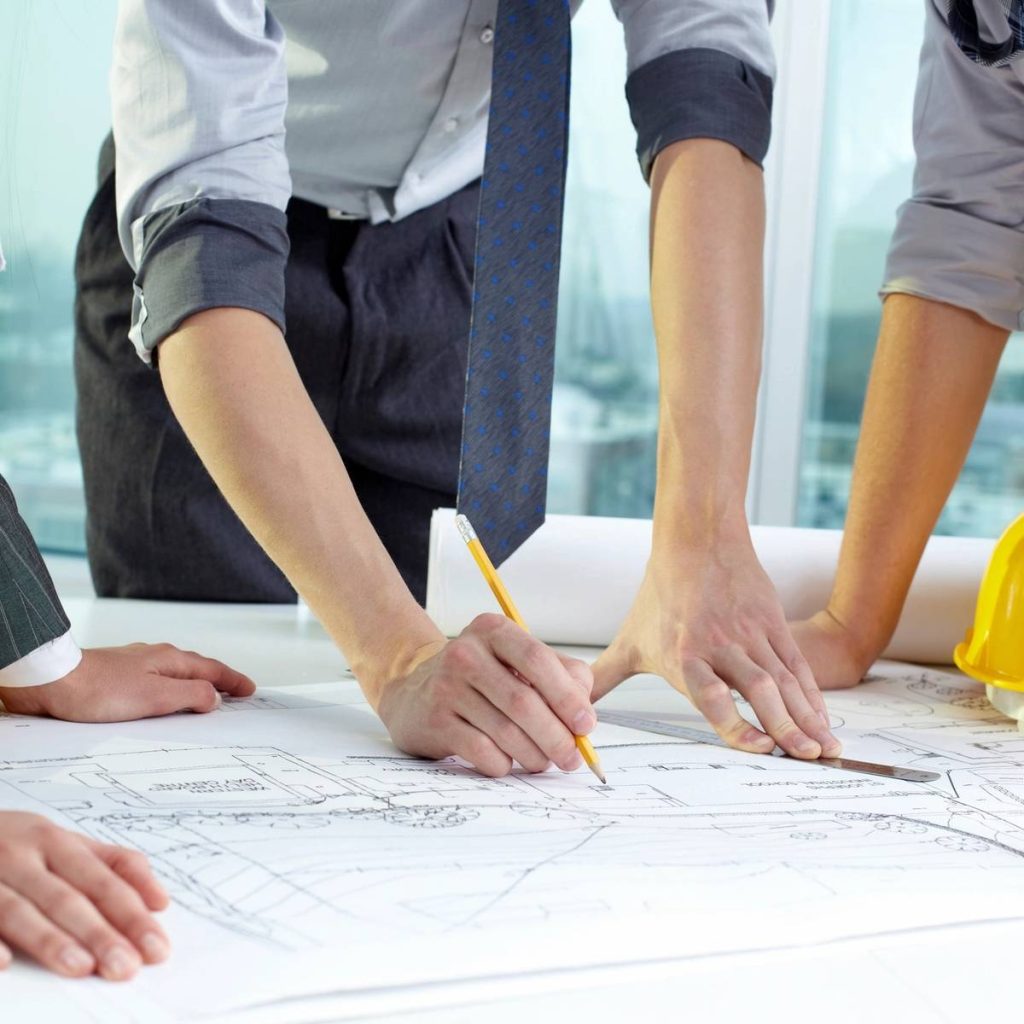
Why Experience Matters During Early Planning
Pre-construction planning requires knowledge that extends across multiple disciplines. Regulatory compliance, design coordination, financial analysis, engineering considerations, and market evaluation must all work together.
Experience helps developers recognize patterns, anticipate challenges, and identify opportunities that less experienced teams may overlook. Many of the most important decisions occur before any visible progress takes place.
Local knowledge is especially valuable in a city like Portland. Understanding permitting expectations, neighborhood dynamics, and development trends provides a significant advantage during project planning.
The U.S. Department of Housing and Urban Development regularly highlights the importance of planning and housing strategy in supporting successful residential development.
Aker Development’s experience allows them to guide projects through complex early-stage decisions with greater confidence and clarity, helping transform ideas into viable development opportunities.
How Aker Development Approaches the Process
Aker Development’s process reflects the belief that great projects begin with thoughtful preparation. Their work emphasizes strategic planning, comprehensive analysis, and collaboration from the earliest stages.
Every opportunity begins with understanding the site, evaluating feasibility, reviewing regulations, and assessing market conditions. These insights form the foundation for informed decision-making throughout the project lifecycle.
Their team also prioritizes communication. Clear expectations, realistic timelines, and transparent planning help reduce uncertainty while strengthening alignment among all stakeholders.
Rather than viewing planning as a preliminary step to construction, Aker Development treats it as one of the most important phases of the entire process. This mindset helps create stronger projects, smoother execution, and more successful outcomes.
Conclusion: Great Development Begins Before Anyone Notices
The most successful projects are often defined by work that remains invisible to the public. Long before construction crews arrive, critical decisions regarding feasibility, design, finances, regulations, sustainability, and community integration shape the future of a development.
Understanding how great developments begin long before construction starts reveals why preparation matters so much. Projects that invest in planning gain a stronger foundation for navigating complexity, managing risk, and creating lasting value.
Aker Development demonstrates this philosophy through a process built on analysis, collaboration, and long-term thinking. Their approach recognizes that successful homes are not simply constructed—they are carefully planned, strategically designed, and thoughtfully integrated into the communities they serve.
For property owners, investors, and future homeowners, the lesson is clear: the quality of a development is often determined long before construction begins. When planning is approached with discipline and expertise, the results extend far beyond the finished structure, creating value that lasts for years to come.
External Links
- Portland Bureau of Development Services
- Environmental Protection Agency Smart Growth Program
- U.S. Department of Housing and Urban Development
