


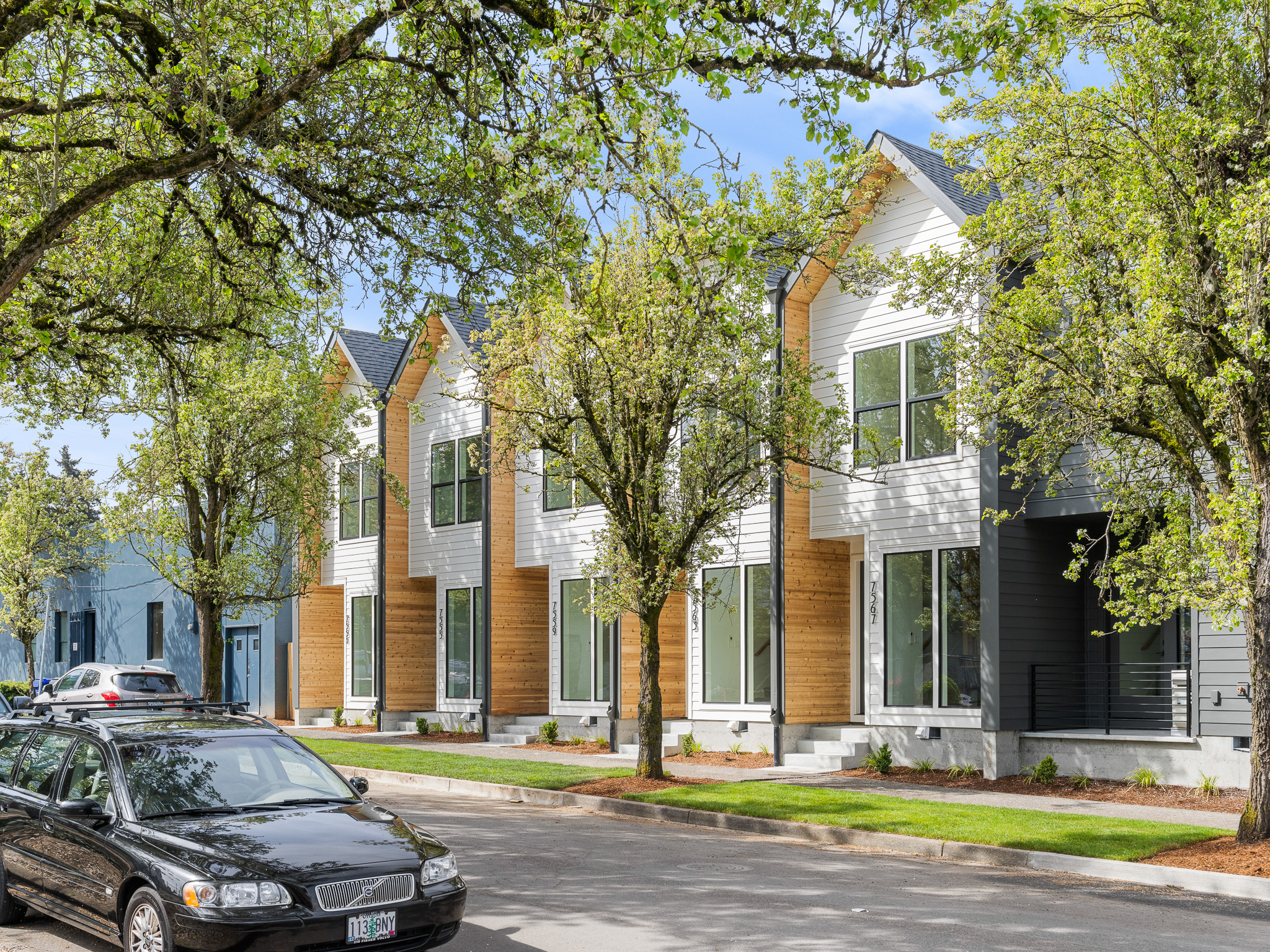
Why walkability is becoming a major driver of property value is a question that developers, homebuyers, and investors are increasingly asking as cities continue to evolve. While location has always been one of the most important factors in real estate, the definition of a desirable location has changed significantly over the last decade. Today, being close to destinations is no longer enough. What matters is whether residents can comfortably and safely reach those destinations without relying entirely on a vehicle.
Modern buyers are placing greater value on convenience, accessibility, and lifestyle. They want neighborhoods where daily needs can be met through a short walk rather than a lengthy drive. Access to coffee shops, parks, grocery stores, schools, restaurants, public transportation, and community amenities has become an important factor in purchasing decisions. As a result, neighborhoods that support walkability are experiencing stronger demand and greater long-term stability.
This shift is particularly important in cities like Portland, where urban planning policies have long emphasized connected communities, mixed-use development, and thoughtful growth. As land becomes increasingly limited and housing demand remains strong, walkability is emerging as a major factor influencing how properties are evaluated and valued.
Aker Development has seen this trend firsthand through its work in Portland neighborhoods. Their approach to infill development and residential construction recognizes that a home’s value is influenced not only by the structure itself but also by how effectively it connects residents to the surrounding community. Understanding walkability helps explain why some neighborhoods continue to outperform others over time.
Understanding Walkability Beyond Sidewalks
Many people assume walkability simply means having sidewalks. While sidewalks are certainly important, true walkability encompasses much more than pedestrian infrastructure alone. It reflects how easily people can access everyday destinations without needing to drive.
A highly walkable neighborhood provides practical convenience. Residents can reach grocery stores, parks, schools, cafes, healthcare services, and public transportation through short and safe walking routes. The closer and more accessible these destinations are, the stronger the neighborhood’s walkability profile becomes.
Connectivity also plays a significant role. Streets designed with pedestrians in mind tend to include shorter blocks, multiple route options, safe crossings, and inviting public spaces. These features encourage walking as a natural part of daily life rather than an occasional activity.
The experience itself matters as well. Tree-lined streets, attractive architecture, active storefronts, and well-maintained public spaces contribute to a more enjoyable pedestrian environment. People are far more likely to walk when the journey feels safe, comfortable, and engaging.
Aker Development evaluates these characteristics when considering development opportunities. Rather than focusing solely on a site’s boundaries, they examine how future residents will interact with the broader neighborhood and whether the location supports a connected lifestyle.
Why Homebuyers Are Prioritizing Walkable Neighborhoods
Buyer preferences have changed significantly in recent years. While home size and interior features remain important, lifestyle considerations now play a much larger role in purchasing decisions.
Many buyers seek greater convenience in their daily routines. Reducing commute times, minimizing vehicle dependence, and gaining easier access to local amenities all contribute to a higher quality of life. Walkable neighborhoods help meet these goals by allowing residents to accomplish routine tasks more efficiently.
Younger buyers often place particular emphasis on neighborhood accessibility. Many prioritize experiences, social connections, and community engagement over large lot sizes or lengthy commutes. Walkability supports these priorities by creating opportunities for interaction and activity close to home.
Older homeowners are also drawn to walkable environments. As mobility needs change over time, having nearby services and amenities can improve independence and reduce transportation challenges. This broad appeal contributes to sustained demand across multiple demographic groups.
Aker Development recognizes that successful residential projects must reflect how people actually want to live. Their focus on strategically located developments helps align new housing with evolving buyer expectations.
Beyond personal preference, walkability can also be measured using established neighborhood data tools. According to Walk Score, factors such as proximity to grocery stores, restaurants, parks, schools, and public transportation can significantly influence how convenient a location feels for residents. While walkability scores should not be the only factor considered when evaluating a property, they provide useful context when comparing neighborhoods and understanding why certain areas continue to attract strong buyer interest. In many cases, communities with higher walkability maintain stronger demand because they support a lifestyle that reduces reliance on daily driving.
The Relationship Between Walkability and Property Value
Real estate value is ultimately driven by demand. As more buyers prioritize walkable neighborhoods, properties located within these areas naturally experience stronger market performance.
Walkability contributes to value in several ways. First, it enhances desirability by improving daily convenience. Buyers often view access to amenities as a meaningful benefit that justifies higher purchase prices.
Second, walkable neighborhoods tend to maintain demand across different market conditions. Even during periods of economic uncertainty, locations offering strong accessibility often remain attractive because they provide practical advantages that extend beyond housing itself.
Third, walkability can influence long-term appreciation. Neighborhoods with established infrastructure, mixed-use development, and strong connectivity frequently experience consistent value growth as demand continues to increase.
Research from the U.S. Department of Housing and Urban Development highlights how connected and accessible communities support housing stability and economic resilience. These broader planning principles contribute directly to real estate performance.
Aker Development incorporates these considerations into site selection and project planning, recognizing that neighborhood accessibility plays a significant role in long-term property value.
Walkability and Transportation Costs
One often overlooked benefit of walkability is its impact on household transportation expenses. In many communities, vehicle ownership represents one of the largest ongoing costs after housing itself.
Walkable neighborhoods can reduce dependence on multiple vehicles by providing access to services, employment centers, and transit options. This flexibility creates meaningful savings over time through lower fuel costs, maintenance expenses, insurance premiums, and vehicle replacement needs.
Public transportation access further strengthens this advantage. Residents who can easily reach transit systems gain additional mobility options without relying exclusively on personal vehicles.
Lower transportation expenses can improve overall housing affordability. Buyers may be willing to invest more in a property when they expect to save money in other areas of their monthly budget.
Aker Development understands that value extends beyond the purchase price of a home. Their emphasis on strategically located projects helps create opportunities for residents to benefit from both convenience and cost efficiency.
The Impact of Walkability on Community Health
Walkable neighborhoods support healthier lifestyles by encouraging physical activity as part of daily routines. Instead of requiring dedicated exercise time, walking becomes naturally integrated into everyday life.
Regular walking contributes to improved cardiovascular health, increased mobility, and overall wellness. Even modest increases in daily physical activity can provide meaningful long-term benefits.
Mental health can also improve in walkable environments. Access to parks, public spaces, and community amenities encourages outdoor activity and social interaction, both of which support emotional well-being.
Neighborhood design influences these outcomes. Safe crossings, attractive streetscapes, and accessible public spaces create environments where people feel comfortable walking regularly.
Aker Development considers livability as a core component of successful housing. Their projects aim to support lifestyles that promote convenience, connectivity, and overall well-being.
Why Businesses Follow Walkable Communities
Walkability benefits not only residents but also local businesses. Areas with strong pedestrian activity often experience greater economic vitality because customers can easily access shops, restaurants, and services.
Businesses benefit from increased visibility and foot traffic. Unlike automobile-focused environments, walkable neighborhoods encourage spontaneous visits and repeat customer interactions.
This relationship creates a positive cycle. As businesses thrive, additional amenities are attracted to the area, further increasing neighborhood desirability and property values.
Mixed-use development often strengthens these outcomes by integrating residential and commercial uses within close proximity. This approach supports both economic activity and community engagement.
Aker Development recognizes the importance of creating housing within neighborhoods that support vibrant local economies. Strong community infrastructure contributes to long-term residential value and neighborhood stability.
Walkability and Long-Term Urban Growth
Cities across the country are increasingly prioritizing walkability as part of broader planning strategies. Growing populations, environmental concerns, and infrastructure limitations have highlighted the importance of creating more connected communities.
Walkable neighborhoods use land more efficiently by supporting higher levels of activity within smaller geographic areas. This approach helps accommodate growth while reducing pressure on transportation systems and public infrastructure.
Urban planners often view walkability as a key component of sustainable development. Communities that encourage walking tend to generate fewer vehicle trips, lower emissions, and stronger public space utilization.
The Environmental Protection Agency Smart Growth Program identifies walkable development as an important strategy for creating sustainable and resilient communities. These principles continue to influence planning decisions in cities like Portland.
Aker Development’s emphasis on infill development aligns closely with these goals. By creating housing within established neighborhoods, they help support responsible growth while enhancing community connectivity.
How Walkability Influences Real Estate Investment Decisions
Investors increasingly evaluate walkability when assessing development opportunities and acquisition targets. Accessibility is now viewed as a meaningful indicator of long-term performance potential.
Properties located in highly walkable areas often attract stronger buyer interest, shorter marketing periods, and greater demand across different demographic groups. These factors contribute to investment stability.
Walkability also provides resilience against changing transportation trends. As fuel costs fluctuate and urban mobility evolves, neighborhoods that support multiple transportation options often maintain their competitive advantage.
Institutional investors and developers frequently consider walkability metrics when evaluating project feasibility. Accessibility is increasingly recognized as a factor that influences both current demand and future appreciation potential.
Aker Development incorporates walkability into its development strategy because it supports both resident experience and long-term market strength.

The Role of Aker Development in Creating Connected Communities
Aker Development understands that great housing extends beyond the walls of a home. The surrounding neighborhood plays a critical role in shaping daily experiences, long-term satisfaction, and property performance.
Their approach to development emphasizes thoughtful site selection, contextual design, and neighborhood integration. Rather than evaluating opportunities solely based on lot characteristics, they consider how future residents will interact with nearby amenities and services.
This perspective aligns with broader trends influencing Portland’s housing market. Buyers increasingly seek homes that support convenience, flexibility, and community engagement. Walkability helps deliver each of these benefits.
Aker Development’s commitment to responsible urban development reflects an understanding that successful projects should strengthen both individual properties and the neighborhoods they join.
The Future of Walkability and Property Value
The importance of walkability is likely to continue growing in the years ahead. Demographic shifts, urban planning priorities, and evolving lifestyle preferences all point toward increased demand for connected communities.
As cities focus on sustainable growth and efficient land use, neighborhoods that support walking will remain highly desirable. Investments in pedestrian infrastructure, transit access, and mixed-use development are expected to reinforce these trends.
Technology may also influence future mobility patterns, but convenience will remain a constant priority. Whether through walking, transit, cycling, or other transportation options, accessibility will continue shaping real estate value.
Developers who understand these trends will be better positioned to create housing that remains relevant over time. Walkability is not a temporary preference—it reflects a broader shift in how people define quality of life.
Aker Development continues to incorporate these principles into its projects, helping create communities that balance livability, accessibility, and long-term value.
Conclusion: Why Walkability Matters More Than Ever
Why walkability is becoming a major driver of property value ultimately comes down to how people want to live. Buyers increasingly prioritize convenience, connectivity, and access to amenities that support daily life. Walkable neighborhoods deliver these benefits while also contributing to stronger community engagement and long-term economic stability.
As demand for accessible communities continues to grow, walkability will remain a significant factor influencing housing decisions and property performance. Neighborhoods that support pedestrian activity often experience stronger resilience, greater desirability, and more consistent appreciation over time.
Aker Development recognizes that creating value involves more than constructing quality homes. It requires understanding how housing interacts with the surrounding environment and how residents experience their communities every day. Their focus on thoughtful site selection and responsible development reflects this broader perspective.
For homeowners, investors, and future buyers, walkability represents more than a convenience—it is increasingly a measure of long-term value. As Portland continues to evolve, connected neighborhoods will play an important role in shaping the future of housing and community development.
External Links
- U.S. Department of Housing and Urban Development
- Environmental Protection Agency Smart Growth Program
- Walk Score
